Microsoft and Mistral AI Expand Partnership to Advance Sovereign AI in Europe
Key Takeaways
- •Microsoft will use Mistral's European data centers powered by Nvidia Rubin GPUs to expand its AI development capacity across the region.
- •Mistral's Medium 3.4 and OCR 4 models are now available through Microsoft Foundry, with Medium 3.4 also accessible in Microsoft Copilot Studio for cloud and on-premises deployment.
- •The expanded partnership supports Microsoft's sovereign cloud strategy, responding to growing European demand driven by the EU AI Act and GDPR data residency requirements.
- •Microsoft gains access to Mistral's GPU compute capacity and cost-efficient models, while Mistral benefits from Microsoft's broader sales reach to scale its products across European industries.
- •The partnership faces challenges from intensifying competition, as AWS and Google Cloud are building their own sovereign cloud offerings for the European market.
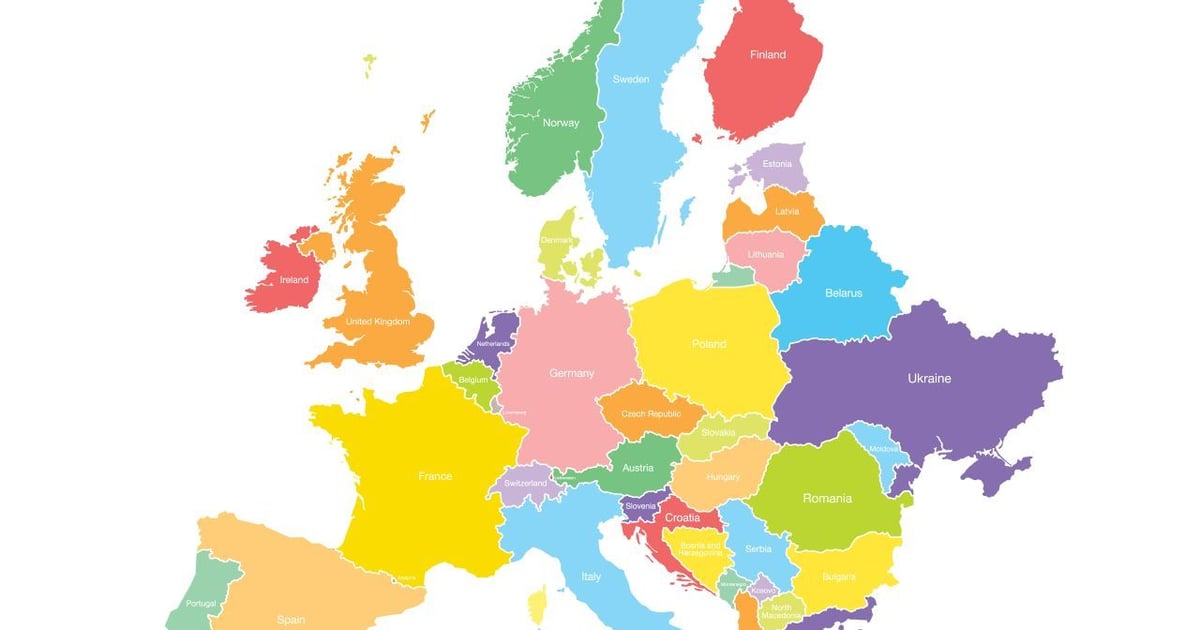
The expansion of the partnership between Microsoft and French AI startup Mistral AI stands to benefit both vendors: Mistral gains the sales reach needed to scale its products, while Microsoft secures a stronger foothold in the European market. The arrangement also gives enterprises operating in Europe a broader selection of AI models and cloud platforms.
On July 21, the two companies revealed plans to expand AI infrastructure across Europe. Microsoft will leverage Mistral's European data centers, which are powered by Nvidia Rubin GPUs, to increase its AI development capacity. At the same time, Mistral's Medium 3.4 and OCR 4 models are now available through Microsoft Foundry. Mistral Medium 3.4 is also accessible in Microsoft Copilot Studio, enabling enterprises to build and deploy AI across diverse operating environments, whether in the cloud or on-premises.
Microsoft stated that the partnership will extend its sovereign cloud strategy by pairing Mistral's models with Microsoft's security, compliance, and cloud-to-edge platform. The move aligns with escalating demand for sovereign AI across Europe, driven by the EU AI Act — which entered into force in August 2024 — and by long-standing GDPR data residency requirements that compel many organizations to keep sensitive workloads within EU borders.
The deepened collaboration builds on the vendors' initial 2024 partnership, which made Mistral models available to Microsoft enterprise customers through the Models as a Service catalog on Microsoft Azure. The expanded agreement is notable because it offers Microsoft's enterprise customers greater optionality while allowing Microsoft to rent GPU compute capacity that Mistral has access to.
"This is a deepening of the partnership it already had with Mistral," said Nick Patience, an analyst at Futurum Group.
Optionality for Enterprises in Europe
The expanded partnership further reinforces Mistral's standing as the leading AI model vendor in Europe, Patience added.
"You could argue that it hasn't got a lot of competition, but it very much reinforces that position," Patience said. Given that Mistral is a smaller vendor, the partnership grants it broader influence across industries such as financial services and manufacturing.
"Having Microsoft go out there and actively push it is a big thing for them," Patience continued.
For Microsoft, the partnership enables further penetration of the European sovereign AI market, said Arun Chandrasekaran, an analyst at Gartner.
"The number one goal here is really to serve European clients more effectively through better sovereign solutions," Chandrasekaran said. Serving European customers, he added, extends beyond sovereignty alone.
"It's also about having models that perform very well in European languages," he continued. This includes languages beyond French, German, and Spanish — areas where Mistral has invested considerable effort to ensure strong model performance across a wider range of European languages.
Challenges and Additional Benefits
Offering a broader array of sovereign products to European customers will not be without challenges. The success of Microsoft and Mistral will depend on how precisely they define sovereign services and whether they can meet the rigorous local compliance and data requirements of European customers while integrating Mistral's offerings with Microsoft's platform, Chandrasekaran said. The competitive landscape is also intensifying, as rival cloud providers — including AWS with its planned European Sovereign Cloud and Google Cloud through partnerships with European telecom providers — build out their own sovereign offerings for the region.
"You have to pass the litmus test of AI sovereignty, and you have to pass the litmus test of how easy and how tightly integrated it is for us to deploy the solution," he said.
Another advantage for Microsoft is that the expanded partnership ensures its customers have a wider range of options. After ending its exclusive partnership with OpenAI in April, Microsoft opened itself to collaborations with other vendors, including Anthropic. However, despite these partnerships, OpenAI and Anthropic remain competitors to Microsoft, Chandrasekaran noted.
"This is also a way for Microsoft to hedge its bets," he said. While Microsoft has its own line of MAI models, deepening its relationship with partners like Mistral does not conflict with that strategy.
"Mistral also builds very powerful but cost-efficient models," Chandrasekaran continued. As a result, the extended alliance could enable Microsoft to offer Mistral's smaller models to improve the margins of the AI services it provides to customers.
Source: AI Business
