SEC Expands DeFi Scrutiny to Protocol Structures as Bitcoin-Backed Lending Market Evolves
Key Takeaways
- •The SEC is shifting its regulatory focus toward the structural design of DeFi vaults and on-chain lending platforms rather than solely examining the underlying crypto assets.
- •Commissioner Hester Peirce stated that on-chain financial activities are not exempt from federal securities laws and that each protocol requires individual fact-specific analysis to determine applicable rules.
- •Ledn reports approximately $714 million in outstanding Bitcoin-backed loans collateralized by 19,685 BTC, with customer collateral segregated from operating activities as a risk mitigation measure.
- •Following the 2022 collapses of Celsius and Genesis, Bitcoin-backed lenders are developing specialized products such as Strike's volatility-proof loans and Unchained's multisig custody arrangements to attract safety-conscious borrowers.
- •The crypto lending market is becoming increasingly specialized, with centralized platforms prioritizing capital preservation while decentralized platforms support a broader range of collateral including Bitcoin, Ethereum, and stablecoins.
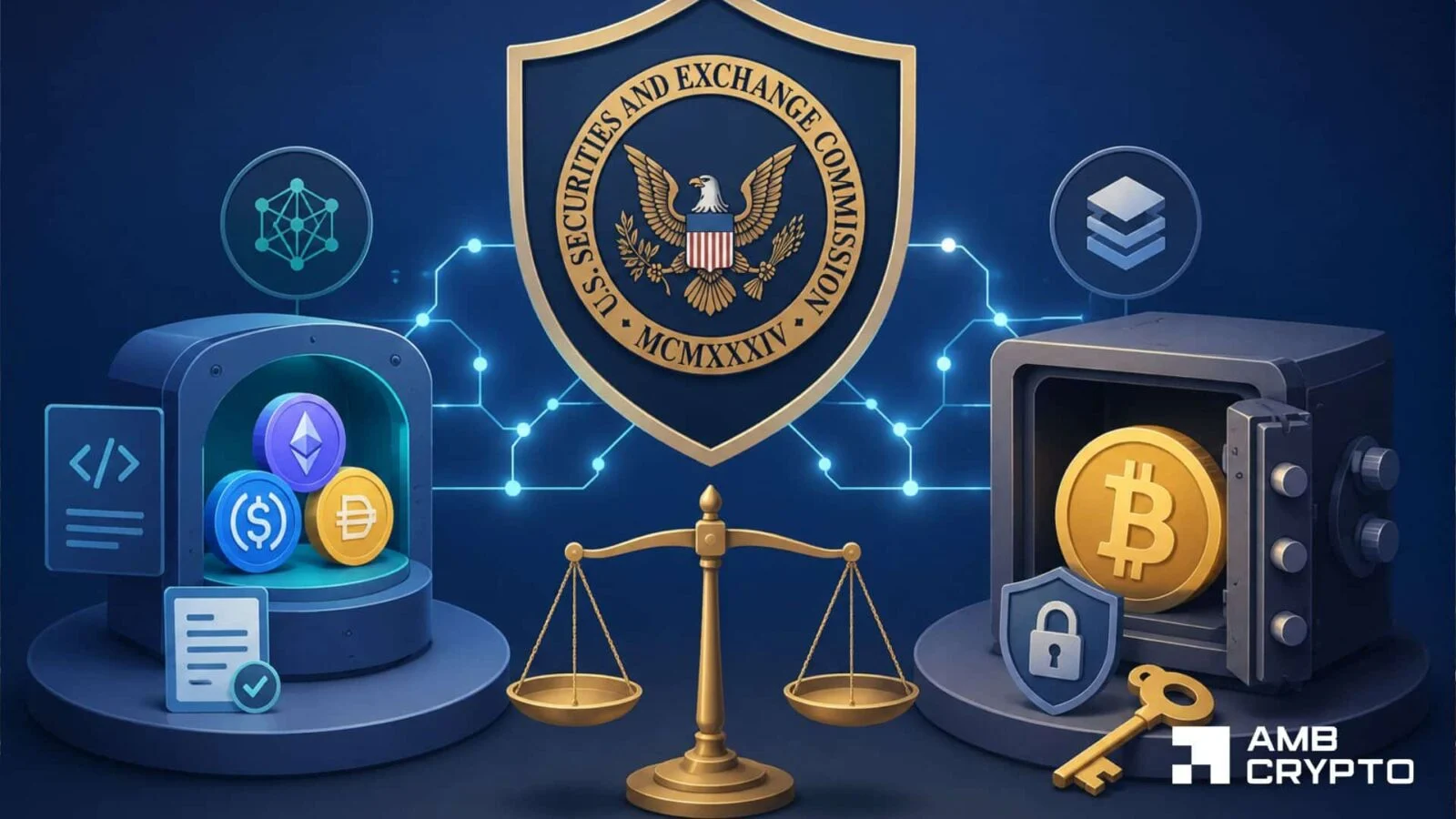
The U.S. Securities and Exchange Commission is broadening its regulatory focus beyond crypto assets themselves to the structures that deploy them, with particular attention to DeFi vaults and on-chain lending platforms.
According to Commissioner Hester M. Peirce, moving financial activities on-chain does not exempt them from federal securities laws. Regulatory treatment instead depends on how vaults allocate assets, manage yields, and distribute decision-making authority among participants.
Lending protocols that determine interest rates, loan-to-value ratios, and liquidation thresholds may similarly fall within existing securities or investment adviser rules. However, Peirce emphasized that each structure requires a fact-specific assessment rather than a blanket classification, noting that every construct must undergo individual analysis before regulators can determine which category of rules applies.
This approach signals that future regulatory oversight will evaluate the design and management of protocols themselves, in addition to the underlying crypto assets. It also comes against the backdrop of the SEC's prior enforcement actions against centralized crypto lending platforms, including its 2022 settlement with BlockFi, which resulted in $100 million in penalties and the company's subsequent bankruptcy filing.
Bitcoin-Backed Lending Gains Traction
Increasing regulatory scrutiny is pushing Bitcoin-backed lenders toward products and custodial services that offer greater safety and protection. The shift reflects growing demand from long-term Bitcoin [BTC] holders who seek fiat liquidity without liquidating their holdings. It also follows the 2022 collapse of major centralized lenders such as Celsius and Genesis, which left creditors in prolonged recovery proceedings and underscored the risks of commingled collateral and opaque risk management.
Ledn exemplifies this trend. The platform reports approximately $714 million in outstanding BTC-backed loans, collateralized by 19,685 BTC. Since 2018, Ledn has processed more than $10 billion in total loans. The company separates customer collateral from its other operating activities as a risk mitigation measure.
Strike has addressed other significant borrowing risks. Its volatility-proof loans eliminate price-triggered liquidation, and borrowers can make repayments at any time without penalty.
Unchained has adopted a different approach, providing borrowers with verifiable on-chain control through multisig custody arrangements. These structural distinctions continue to shape lending activity across the crypto credit markets.
Centralized Bitcoin-backed lenders remain attractive to long-term holders seeking fiat access without selling BTC. Meanwhile, decentralized lending markets support a broader range of collateral, including Bitcoin, Ethereum [ETH], and stablecoins, which drive the majority of lending and borrowing activity in the DeFi sector.
As utilization rates and borrow APRs adjust to market conditions, capital flows more actively across DeFi platforms. This flexibility supports higher trading activity, while CeFi borrowers prioritize capital preservation, underscoring the growing specialization within crypto-backed lending markets.
Specialized Models Emerge
DeFi vaults and on-chain lending face intensifying SEC scrutiny as protocol design increasingly determines regulatory treatment. The crypto lending landscape is shifting toward specialized models that balance regulatory compliance, capital efficiency, and custody transparency.
