Russia's State Duma Passes Comprehensive Crypto Law Regulating Exchanges, Banks, and Cross-Border Trade
Key Takeaways
- •The bill creates a licensing and compliance regime for Russian crypto exchanges, brokers, custodians, trading platforms and other market participants.
- •Non-qualified investors will be limited to 300,000 rubles in annual purchases of approved digital assets through regulated intermediaries.
- •Cryptocurrencies will remain prohibited for ordinary domestic payments, preserving the ruble as Russia’s sole domestic payment unit.
- •Russian businesses may use approved digital assets for certain cross-border payments through licensed providers.
- •Major institutions including Sberbank, VTB, T-Bank, Alfa-Bank and Moscow Exchange are preparing or exploring regulated digital asset services.
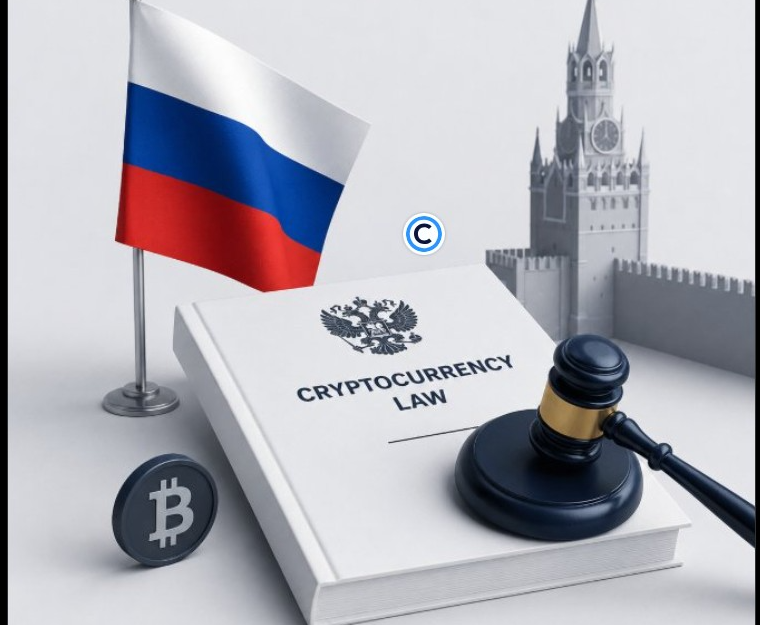
Russia's State Duma has approved a comprehensive cryptocurrency-market bill in its second and third readings on July 21, establishing a formal regulatory framework for digital asset exchanges, brokers, custodians, and cross-border trade services under Bank of Russia supervision.
The legislation, Bill No. 1194918-8, titled "On Digital Currency and Digital Rights," creates a formal licensing system for companies providing crypto services in Russia. The framework is scheduled to take effect on September 1, 2026, with market participants given until July 1, 2027, to obtain licenses and comply with the new requirements. The Federation Council must still review the bill before it proceeds to President Vladimir Putin for signature.
New Rules Cover Market Firms
The bill requires licensed exchanges, brokers, custodians, trading platforms, and other financial firms to register and follow central bank rules. The structure aims to move more trading and custody activity into regulated channels without legalizing cryptocurrency as a domestic payment method. Under the new rules, companies must meet licensing, reporting, and operational standards before they can serve investors or hold client assets.
Russia's Finance Ministry estimates that domestic crypto trading reaches approximately 50 billion rubles, or nearly $640 million, each day. Much of that activity currently operates outside the formal financial system, making licensing and reporting requirements central to how the new regime is expected to function. Lawmakers completed months of revisions after the Financial Market Committee backed the updated text before the July 21 vote.
Investor Limits Shape Retail Access
The legislation sets limits for non-qualified investors who buy approved cryptocurrencies through regulated intermediaries. Retail users will be allowed to purchase up to 300,000 rubles worth of approved digital assets each year. Qualified investors will receive broader access under separate conditions set by the Bank of Russia.
Lawmakers removed an earlier proposal that would have required crypto holders to disclose wallet addresses. The revised version focuses on account balances and transaction volumes instead. Authorities may delay some large transfers abroad or transfers to third parties for up to 48 hours when additional checks apply.
Domestic Payments Remain Banned, Cross-Border Trade Permitted
The law keeps the ruble as Russia's only domestic payment unit. It prohibits companies and consumers from using Bitcoin or other cryptocurrencies to pay for ordinary goods and services inside the country. The restriction separates domestic payments from regulated investment, trading, and custody activity.
However, Russian businesses can use approved digital assets for certain cross-border payments through licensed providers. That distinction makes international settlement one of the main permitted uses of the framework while keeping everyday retail payments outside its scope. Russia has already tested crypto settlements for international trade under a special legal regime, as sanctions have made access to overseas banks and traditional payment systems more difficult.
Major Banks Prepare for September Rollout
Several major Russian banks are preparing products for the regulated market. Sberbank plans to launch a crypto wallet and digital asset custody services after the framework takes effect. The lender is also reviewing possible client access to foreign crypto exchanges, depending on the final licensing rules.
VTB and T-Bank are developing custody infrastructure. Alfa-Bank has tested crypto trading with a limited group of eligible investors and plans to build a digital asset depository. Moscow Exchange has also expressed interest in offering regulated crypto services.
Broader Digital Finance Context
The timing of the crypto framework overlaps with Russia's wider digital finance program. The country plans to expand the digital ruble starting September 1, with major banks and large retailers joining in stages. Policymakers are also working on separate stablecoin rules, primarily aimed at international settlements and regulated trade activity.
The State Duma vote clears the bill's main lower-house stage. The Federation Council must approve the text before President Putin can sign it into law. Following that approval, the Bank of Russia will be able to publish detailed operating requirements for exchanges, banks, brokers, custodians, and other registered market participants.

