Grupos de derechos de voto piden a un tribunal federal que haga cumplir la orden judicial que bloquea la norma del USPS sobre voto por correo
Puntos clave
- •Los grupos de derechos de voto presentaron una moción de emergencia para pedir a un tribunal federal que haga cumplir una orden judicial contra la norma del Postal Service sobre el voto por correo.
- •El Postal Service anunció una norma final el viernes por la noche y dijo que entraría en vigor si se levantan los bloqueos judiciales existentes.
- •La jueza Indira Talwani dictaminó el 11 de Aug. que el Postal Service debe detener acciones relacionadas con rechazar el envío de boletas por correo o en ausencia y con la elaboración de normas asociadas.
- •El Postal Service dijo que fechó la norma de esa manera para asegurar que pudiera aplicarse a tiempo para las midterms de noviembre.
- •Susannah Goodman, de Common Cause, dijo que varios estados se han negado a entregar sus padrones electorales sin censura y que los grupos han ganado cuando los estados resistieron.
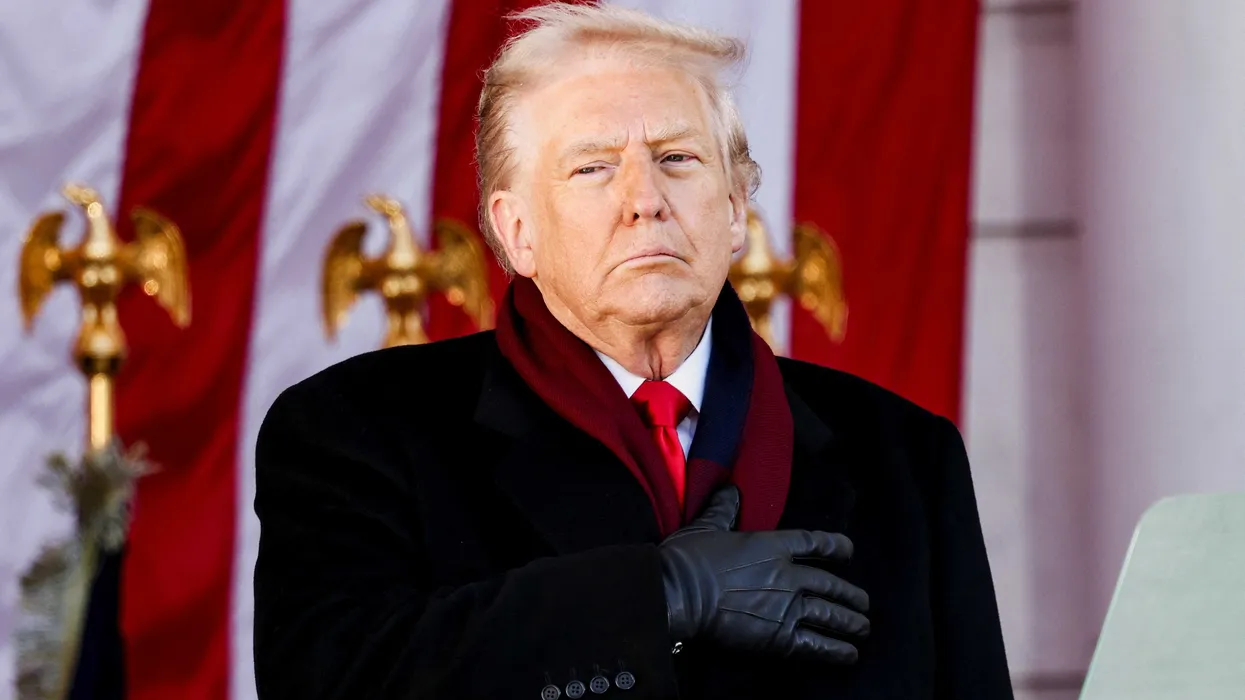
President Donald Trump ha anticipado desde hace tiempo una toma de poder destinada a evitar perder el control del Congress en las midterms de 2026, una que planea implementar en parte restringiendo el voto por correo a través del U.S. Postal Service. Ahora, un nuevo informe muestra que votantes y organizaciones de derechos de voto están respondiendo a la campaña de Trump contra el voto por correo.
"A coalition of pro-voting organizations is asking a federal court to stop the U.S. Postal Service (USPS) from finalizing a rule restricting mail-in voting this week," informó Brentin Mock de Democracy Docket el domingo. "On Saturday night, the League of Women Voters of Massachusetts (LWVMA) and other civic and civil rights organizations filed an emergency motion to have a U.S. District Court enforce its injunction against the USPS's plans to execute part of President Donald Trump's executive order against mail voting."
Mock añadió: "The postal service announced a final rule Friday night to implement those plans, stating they will immediately go into effect should that injunction — and another currently blocking it — be lifted by the U.S. Supreme Court."
Sin embargo, el 11 de Aug., la jueza del U.S. District Court Indira Talwani dictaminó que el postal service debía detener esos planes, incluidas las medidas que implicaran "refusing to transmit mail-in or absentee ballots; or otherwise initiating or completing rulemaking to promulgate the specific regulations outlined in" la orden ejecutiva de Trump. Esa resolución es la que ahora los grupos de derechos de voto piden al tribunal que haga cumplir, subrayando cómo la batalla legal sobre el Postal Service se desarrolla junto con disputas más amplias sobre la administración electoral de cara a 2026.
El periodista además señaló que "the USPS's Friday night announcement, which will be officially published on Aug. 26, is the agency's promulgation of that rule, with a retroactively listed effective date of Aug. 21. The postal service said it needed to date it as such to ensure it could be rolled out in time for November's midterm elections."
En declaraciones a AlterNet en June, Susannah Goodman, Policy Director en el Voting and Fair Representation Program de la organización sin fines de lucro Common Cause, dijo que algunos intentos de Trump de intervenir en las midterms podrían ser ilegales.
"The other thing is that, as you well know, the administration has been trying to compel states to turn their voter rolls over to the federal government and to consolidate all of that in a mega database," dijo Goodman a AlterNet. "A number of states have refused to turn over their unredacted voter rolls with personal identifying information — Social Security numbers, driver's licenses, et cetera. Common Cause and our partners have intervened in, I think, 17 of those cases on behalf of voters."
Añadió que no ha habido un solo caso "when the state has resisted and claimed they are not going to turn these voter rolls over, the court has dismissed the case or compelled the states to turn them over. The government has not had a compelling reason, and the states have won. So when states fight back, they win. We have been involved in that litigation. That is another huge power grab by the administration. It is also an illegal power grab, and when we have pushed back, we have won."

