Signum’s Hormuz TACO Index Points to Possible Trump-Iran Policy Shift in Late July
Key Takeaways
- •The Hormuz TACO Index combines Brent crude prices, U.S. 10-year Treasury yields, S&P 500 performance, and Strait of Hormuz ship crossings into a weighted z-score measured against a March 7 baseline.
- •Signum's model projects a possible U.S. policy shift on Iran between July 22 and July 30, with July 26 identified as the most probable date.
- •Previous Trump-Iran policy changes coincided with index readings between 2.3 and 3.4 standard deviations, preceding events such as the April 7 ceasefire and June 11 negotiations.
- •Economic pressure has intensified as Brent crude surpassed $94 per barrel and average U.S. gasoline prices reached $4.02 per gallon on July 20.
- •Defense Secretary Pete Hegseth estimated military conflict costs at approximately $37.5 billion and requested an additional $87.6 billion, while 18 U.S. service members have died and over 500 have been injured.
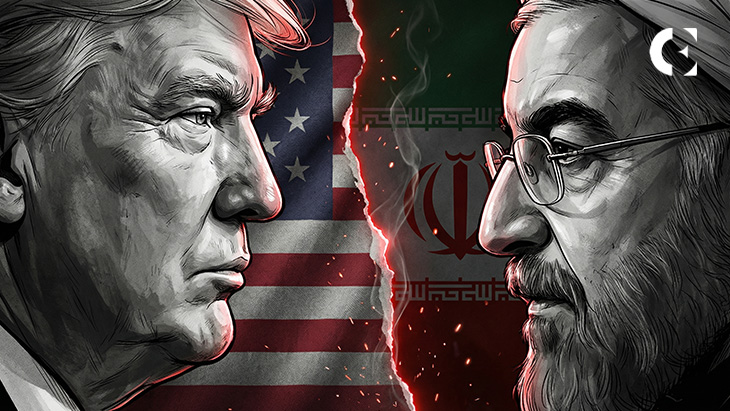
Signum Global Advisors has adapted Wall Street’s TACO trade — shorthand for “Trump Always Chickens Out” — into an index designed to measure pressure around President Donald Trump’s Iran policy. The moniker gained currency among traders who observed a recurring pattern during Trump’s first term: escalatory rhetoric or tariff threats followed by walkbacks or compromises, creating a trading strategy around anticipated reversals. The firm’s Hormuz TACO Index indicates a possible policy shift between July 22 and July 30, with July 26 standing out most strongly in the model’s projection.
The gauge comes as oil prices, shipping disruptions, war costs, and casualties increase pressure on Washington. Signum said previous Trump-Iran policy changes occurred after market-stress readings moved between 2.3 and 3.4 standard deviations, averaging about 2.9.
Four-Market Model Measures Policy Pressure
Signum policy chief Andrew Bishop developed the model using four indicators tied to economic and geopolitical stress: Brent crude prices, U.S. 10-year Treasury yields, S&P 500 performance, and ship crossings through the Strait of Hormuz — a narrow chokepoint through which roughly a fifth of global daily oil consumption transits, making any disruption there acutely sensitive for energy markets.
Each indicator is converted into a weighted z-score measured against a March 7 baseline. The approach is intended to compare current conditions with those surrounding earlier policy moves. Higher readings suggest greater pressure when energy costs rise, financial markets weaken, or shipping disruptions intensify.
According to Signum, earlier Trump-Iran policy pivots took place when the index showed readings between 2.3 and 3.4 standard deviations. Those readings came before the March 22 opening to talks, the April 7 ceasefire, the May 18 military pause, and the June 11 negotiations — a cadence that reflects a broader escalation-deescalation cycle visible throughout Trump’s approach to Iran, dating to his 2018 withdrawal from the Joint Comprehensive Plan of Action.
Signum has presented the Hormuz TACO Index as an experimental measure rather than a verified forecasting system. It does not guarantee that diplomacy will occur or that a policy change will follow.
Oil, Shipping, and Military Costs Add Pressure
Economic and political pressure rose as Brent crude climbed above $94 per barrel on July 22 amid threats to major energy routes. Shipping through the Strait of Hormuz largely stalled, while several Saudi tankers changed course after Houthi threats near the Bab el-Mandeb passage — a second critical chokepoint linking the Red Sea to the Gulf of Aden that has seen persistent attacks on commercial vessels.
The domestic cost of the conflict also increased. Average U.S. gasoline prices reached $4.02 per gallon on July 20, adding to household expenses and broadening the impact of the conflict inside the United States.
Military expenses continued to rise as well. Defense Secretary Pete Hegseth estimated costs at about $37.5 billion and requested an additional $87.6 billion.
The human toll has added further pressure. Eighteen U.S. service members have died during the conflict, and more than 500 have been injured.
Diplomatic channels remain open. Secretary of State Marco Rubio said Washington was willing to negotiate, while Iran reportedly considered a limited ceasefire proposal. However, attacks continued for an eleventh day, leaving the geopolitical situation around Iran subject to developments that could quickly affect the index.
