Celsius Founders Face Permanent Crypto Bans in FTC Case Tied to $16.5 Million
Key Takeaways
- •The FTC has imposed permanent industry bans on Celsius Network's founders, preventing them from operating or managing consumer-facing cryptocurrency businesses in the future.
- •The resolution includes $16.5 million in financial obligations tied to the founders, though the FTC has not disclosed a public breakdown of how that amount is allocated.
- •The FTC previously reached a settlement with Celsius in 2023 over charges related to its treatment of consumers, and this latest order continues enforcement against the individuals who ran the company.
- •Former Celsius CEO Alex Mashinsky was separately sentenced to 12 years in prison for crypto fraud, illustrating parallel criminal prosecution of the company's leadership.
- •The enforcement actions against Celsius founders signal that regulators are increasingly pursuing personal accountability for executives at failed crypto platforms, not just corporate-level penalties.
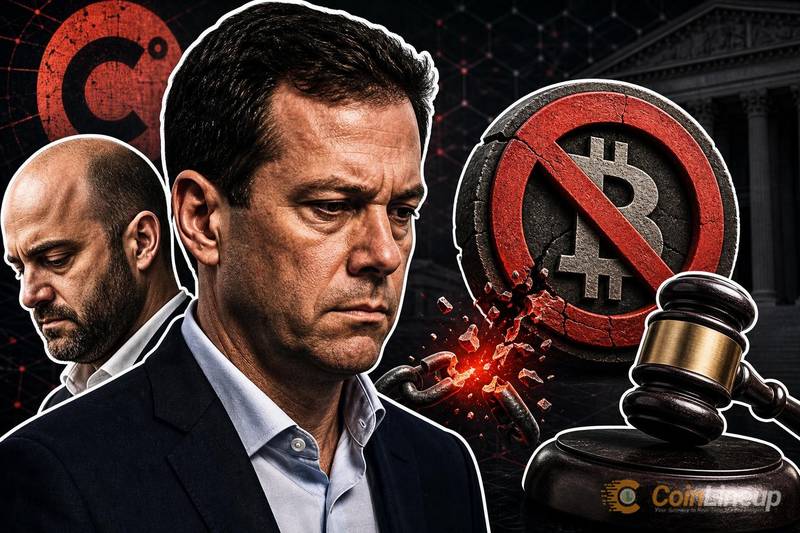
The founders of Celsius Network face permanent bans from the cryptocurrency industry under a Federal Trade Commission resolution tied to $16.5 million in obligations, representing one of the more severe outcomes for executives connected to a collapsed crypto lender.
Permanent bans in the Celsius case
The key development is a set of permanent bans that would bar the Celsius founders from participating in the crypto industry, according to the FTC’s order in the matter, which was published by the agency at
In practical terms, the bans prohibit the individuals from operating, managing, or handling consumer assets through cryptocurrency businesses in the future. The remedy is directed at the operators themselves, rather than only at the failed company.
That distinction matters because crypto enforcement after major platform failures has often involved both company-level settlements and actions against individual decision-makers. The FTC’s role is focused on consumer protection, so an industry ban from the agency is a conduct remedy aimed at preventing future consumer-facing crypto activity by the covered individuals.
The public record confirms the existence of the case and the ban-related outcome. It does not settle every underlying detail, so the available reporting is limited to what the FTC filing establishes.
The role of the $16.5 million in obligations
The case includes $16.5 million in obligations attached to the founders as part of the resolution, according to the FTC’s case file at
The brief does not provide a public breakdown of how that amount is allocated, or what portion, if any, is suspended or conditional. The monetary component indicates that the resolution carries material financial consequences, rather than only a nominal penalty.
Those obligations are paired with the conduct bans, increasing the personal consequences for the individuals involved. The combination reflects a remedy focused on both future participation in crypto businesses and financial accountability.
Celsius and crypto enforcement
The FTC first acted against Celsius and its former executives in 2023, when it reached a settlement with the platform over charges related to its treatment of consumers. The agency’s 2023 announcement is available at
The latest order continues that enforcement track against the people who ran the business. Celsius remains a reference point from the crypto sector’s 2022 collapse, including its later $299.5 million settlement with Tether during bankruptcy proceedings.
The FTC action also sits alongside the criminal case involving former Celsius CEO Alex Mashinsky, who was sentenced to 12 years for crypto fraud. Taken together, the civil and criminal proceedings show regulators and prosecutors pursuing individual leaders in addition to corporate entities.
For founders, executives, and platform operators, the combination of permanent bans and a multimillion-dollar remedy demonstrates that personal accountability remains part of crypto enforcement, not only corporate penalties. The order also gives compliance teams another example of how consumer-facing crypto activity can draw remedies that restrict future participation in the sector, not merely require payment after a platform failure.

