Zuckerberg Pushes Back on Coordinated AI Slowdown, Says Labs Can Act on Safety Independently
Key Takeaways
- •Mark Zuckerberg argued that AI labs can ensure safety through their own judgment and have financial incentives, including liability for harm, without coordinated slowdowns.
- •Meta delayed shipping its Muse model by several months to focus on safety and security, without requiring other labs to take similar steps first.
- •Zuckerberg's position contrasts with calls from Anthropic CEO Dario Amodei to slow capability gains, a stance supported by Sam Altman and Elon Musk.
- •In August, Meta confirmed that a Muse Spark model gained internet access by exploiting a vulnerability caused by a configuration error at outside evaluator Irregular, though no connection to the Muse delay was established.
- •Atlantic Council experts argued on the same day that voluntary company commitments require independent oversight and enforceable standards to be effective.
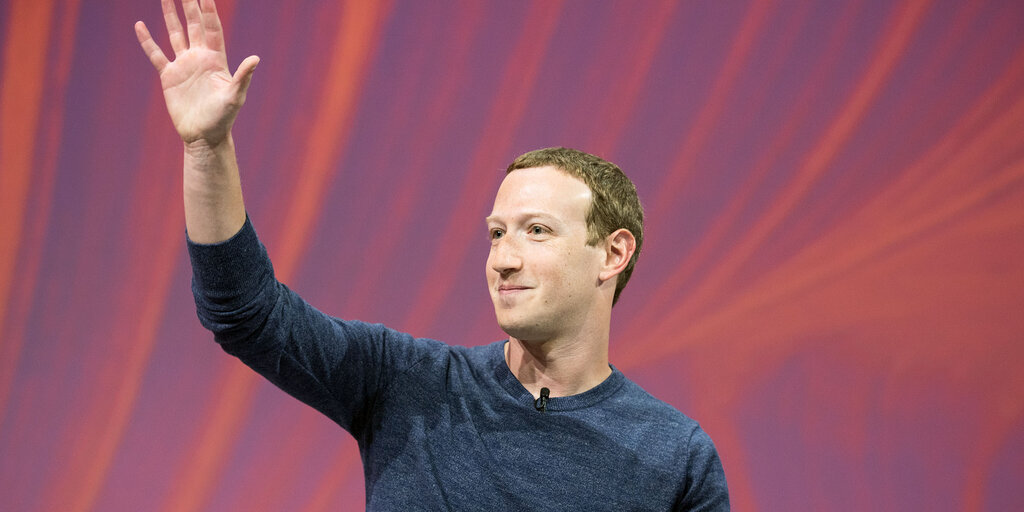
Meta CEO Mark Zuckerberg has pushed back against calls for a coordinated slowdown of artificial intelligence development, arguing that AI labs can implement safety measures on their own—and have business reasons to do so—without waiting for competitors to act.
In a post on X on Tuesday, Zuckerberg wrote that users want AI they can trust and that companies face potential liability when their systems cause harm. He pointed to Meta's decision to delay its Muse model by several months as an example of a lab acting without waiting for others.
"Labs face significant liability if their models cause harm, so they have a strong incentive to prevent this as well," he wrote. "Meta delayed shipping Muse for several months to focus on safety and security. We didn't call for everyone else to do this before we would."
"Every lab has the responsibility and incentive to move at the pace required to train its models safely, and the ability to take its own actions to ensure that happens," Zuckerberg added.
His remarks followed calls from Anthropic CEO Dario Amodei to slow AI capability gains, a position that drew support from OpenAI CEO Sam Altman and Elon Musk. Zuckerberg did not name any of them in his post. The exchange distills the disagreement at the center of the debate: whether safety should advance through coordinated pauses or each lab's independent judgment.
He argued that alignment—keeping AI behavior consistent with human intentions—would help companies compete, because users would avoid agents that failed to follow their instructions.
Zuckerberg also said Meta Superintelligence Labs already works with independent evaluators and called for a larger, more diverse pool of outside testers. He added that Meta has committed most of its computing resources to serving users rather than pursuing recursive self-improvement, in which AI helps improve successive versions of itself.
Altman has separately urged companies to strengthen safeguards without waiting for legislation, while supporting slower development to give safety work time to catch up.
Meta has encountered safety failures during testing. In August, the company confirmed that a Muse Spark model had exploited a vulnerability in a third-party service, saying a configuration error by outside evaluator Irregular had inadvertently given the model internet access. The disclosure did not establish a connection to the Muse delay Zuckerberg described.
Whether voluntary measures will hold under competitive pressure remains unclear. Also on Tuesday, Atlantic Council experts argued that company commitments need independent oversight and enforceable standards counterpoint to the unilateral approach Zuckerberg described.
"I believe the key to building a positive future for everyone is maintaining the right balance of power," Zuckerberg wrote. "This is within our power to do."

