National Review editor says 'exhausted' Americans rebuked Trump's 'awful' presidency — and blames the GOP
Key Takeaways
- •Yuval Levin of National Review argued Thursday that President Trump's presidency has been 'awful' and that the GOP's midterm defeat was a deserved rebuke for enabling him.
- •Trump rejected the critique on Truth Social, claiming Republicans would not have lost by such a margin had he been on the ballot, despite having told supporters to vote as if he were.
- •Exit polls indicated 90 percent of voters cast ballots based on political corruption, 89 percent on the cost of living, 74 percent on the war with Iran, and 73 percent on the brutality of immigration enforcement.
- •Levin attributed Republican losses to impulsiveness and a lack of governing purpose, citing the tariffs, the trade conflict with Canada, and the war with Iran as ventures launched without plans for exit.
- •Levin concluded that Republicans must put Trump behind them to define a new identity, while warning that the Democratic Party remains unpopular and ran without a substantive platform in the election.
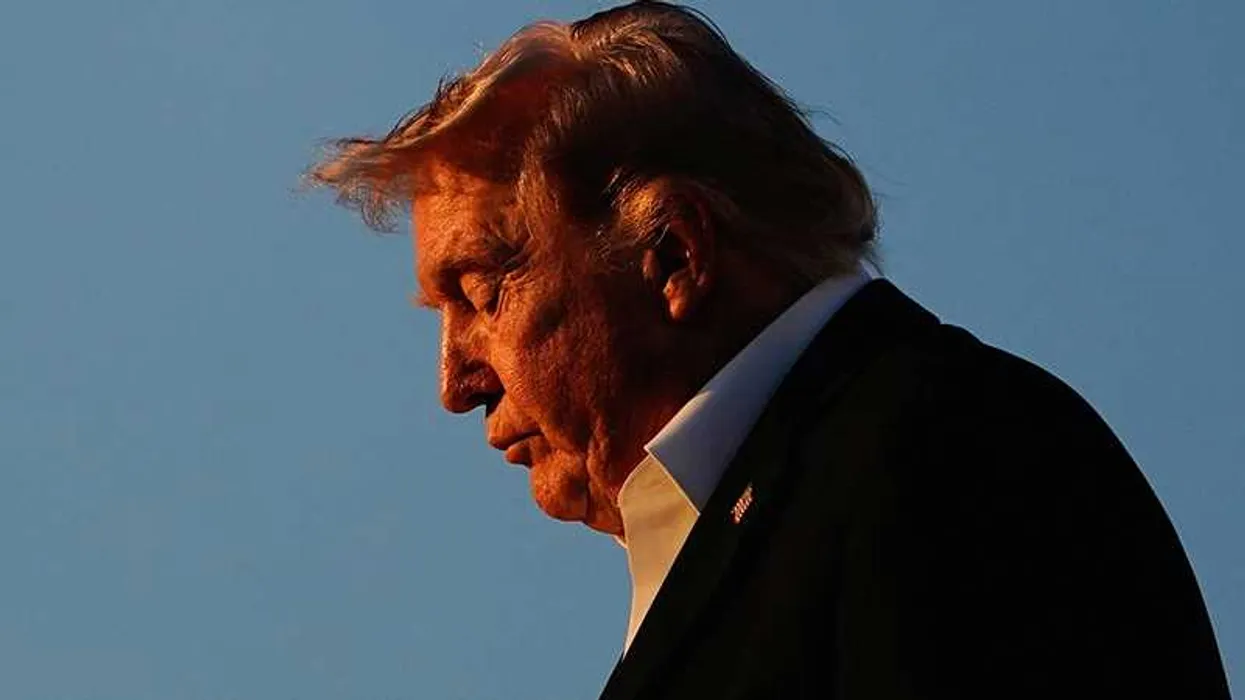
Yuval Levin, National Affairs editor at the conservative National Review, argued in a column published Thursday that President Donald Trump's presidency has been "awful" — and particularly damaging for his own party, which he said has "mostly enabled it all ... and so has earned the rebuke it got, too." The critique stands out precisely because it comes from inside conservative commentary rather than from Trump's political opponents.
Trump, for his part, shows no sign of having absorbed the message. In a post on Truth Social, his social media platform, the president claimed that had he actually been on the ballot, the GOP would never have lost by such a margin. Instead, Levin noted, Trump told his supporters to vote as if he were on the ballot — and that is exactly what happened. Midterm elections, falling midway through a president's term, have historically tended to read as referendums on the party in power, and that is the reading Levin applies here, locating the verdict with Trump and the party that enabled him.
According to Levin, any gains Republicans believed they had made have been overwhelmed by impulsiveness, corruption and a lack of governing purpose. He pointed to Trump's tariffs, the trade conflict with Canada and the war with Iran as ventures entered into "willy-nilly," without a plan for how to get out. Levin argued that Trump has treated national crises the way he treated failed business projects: launching something dramatic, ignoring the consequences and then moving on to the next spectacle.
Rather than engage with the data showing exactly why Americans voted the way they did, Levin contends the result reflects an "exhausted" public that is done with Trump's chaos, pettiness, nicknames, grievances and unseriousness. "Many Americans who had a lot of tolerance for him and once found his antics entertaining are tired of it all," Levin wrote. "His silly nicknames and his petty whining haven't gotten any dumber — they were always this dumb. But many people who thought they were funny have grown sick of them, and Trump's sheer unseriousness now strikes some of his former supporters as inadequate to the office and the moment."
Exit polls indicated that 90 percent of voters cast ballots based on political corruption, while 89 percent said their vote was influenced by the cost of living. The war with Iran was a major factor at 74 percent, and the brutality of immigration enforcement registered at 73 percent.
Levin also traces the 2016 rise of MAGA to a belief that former President Barack Obama had been too "liberal," rather than a repudiation of politics as usual. He notes that Obama left office in January 2017 with an approval rating of roughly 57 to 59 percent, according to Gallup, and that an SRS poll conducted four months ago found the figure still stands at 57 percent.
Levin quoted his own writing from two years ago: "This is the trap that our 21st-century presidents have tended to fall into. They win elections because their opponents were unpopular, and then — imagining the public has endorsed their party activists' agenda — they use the power of their office to make themselves unpopular." He argued that neither party ever learns this lesson, and he doubts Democrats will learn anything from their new victory. "The party remains exceedingly unpopular," he wrote, "and its politicians didn't even run on anything in particular in this election." In his framing, that leaves both parties facing versions of the same test: whether Republicans can define an identity beyond Trump, and whether Democrats can convert an opposition win into an actual governing argument.
Levin closes with his own assessment that Republicans must change significantly, and that Trump himself is the biggest problem. "And the way forward for Republicans must begin by putting Trump behind them and asking themselves what they have to offer the country in his wake," he wrote. How the GOP responds to arguments like his — and whether the posture Trump struck on Truth Social shifts at all — is the thread to follow as the post-midterm recriminations play out.

