Israeli Intel Studied Iran’s Fordow Site, Cohen Says, as U.S.-Iran Deal Odds Fall
Key Takeaways
- •Yossi Cohen said Israeli intelligence extensively studied Iran’s Fordow nuclear facility and supported the U.S. strike on it in June 2025.
- •Fordow is a fortified underground nuclear site near Qom and was a key target in the June U.S. strikes.
- •Iran disclosed Fordow to the IAEA in 2009, and the 2015 JCPOA aimed to restrict enrichment activity there.
- •Prediction markets now price a 2026 U.S.-Iran deal with reconstruction funding at 18.5%, down from 22% in the past 24 hours.
- •A separate market gives only a 7.5% chance that the U.S. obtains Iranian enriched uranium by the end of the year.
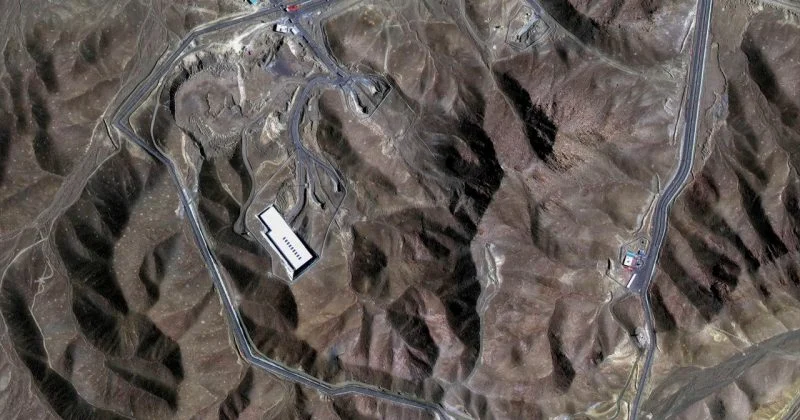
Former Mossad Chief Yossi Cohen said Israeli intelligence extensively studied Iran's Fordow nuclear facility, underscoring the depth of Israel's understanding of the site. Cohen also voiced support for the U.S. military action that targeted Fordow in June 2025.
Fordow, a fortified underground nuclear site buried deep beneath a mountain near Qom, was among the key targets in the U.S. strikes, which marked a major escalation in the Israel-Iran conflict. The facility has long been a flashpoint in nuclear diplomacy: Iran disclosed Fordow to the IAEA in 2009 after Western intelligence identified it, and the 2015 Joint Comprehensive Plan of Action (JCPOA) sought to restrict enrichment activity there. The U.S. withdrawal from the JCPOA in 2018 under the first Trump administration reignited concerns about Fordow's role in Iran's program. Cohen's remarks come as prediction markets show a shift in expectations around the prospects for a U.S.-Iran nuclear deal in 2026.
Recent market data shows the probability of a US-Iran deal that includes reconstruction funding has fallen to 18.5% from 22% over the past 24 hours. The decline appears to track rising military tensions, which Cohen's comments may further reinforce, potentially making diplomatic progress more difficult. Related prediction markets also suggest that broader geopolitical consequences of such military actions could complicate negotiations.
Another market tracking the chance that the U.S. obtains Iranian enriched uranium by the end of the year assigns that outcome a 7.5% probability. That reading indicates continued skepticism that diplomacy will produce a significant breakthrough enabling a uranium transfer agreement.
The overlap between military developments and diplomatic efforts remains a focus for market participants assessing the outlook for U.S.-Iran negotiations.
Key Takeaways
- Cohen's comments align with heightened military tensions and appear to affect market sentiment on a US-Iran nuclear deal.
- The likelihood that reconstruction funding will be part of a US-Iran deal in 2026 has declined in recent market activity.
- Markets remain skeptical that the U.S. will obtain Iranian enriched uranium by the end of 2026.
What to Watch
Observers are watching for changes in diplomatic engagement between the U.S. and Iran, as well as any further Israeli military action that could influence market dynamics. Statements from U.S. negotiators and Iranian officials will be important in gauging whether a deal remains possible. Developments in other geopolitical regions, particularly related military activity, may also affect expectations for a US-Iran agreement.
Get live prediction-market analysis, powered by Vera. Sign up for Vera.

