South Korea's Yangsan Hits 41.6°C for Fourth Consecutive Day Above 40°C, Setting New National Heat Record
Key Takeaways
- •Yangsan reached 41.6 degrees Celsius on Saturday, surpassing the previous day's record of 41.4 degrees at KMA long-term observation stations.
- •The city has recorded temperatures above 40 degrees Celsius for four consecutive days as an intense heat wave continues across South Korea.
- •The current readings exceed the previous national record of 41.0 degrees Celsius set in Daegu on August 1, 2018.
- •Sustained temperatures well above 40 degrees far exceed the KMA's threshold of 35 degrees for its highest-level heat wave warnings.
- •The extreme heat is placing added pressure on the power grid, public health for vulnerable groups, and agriculture in South Gyeongsang Province.
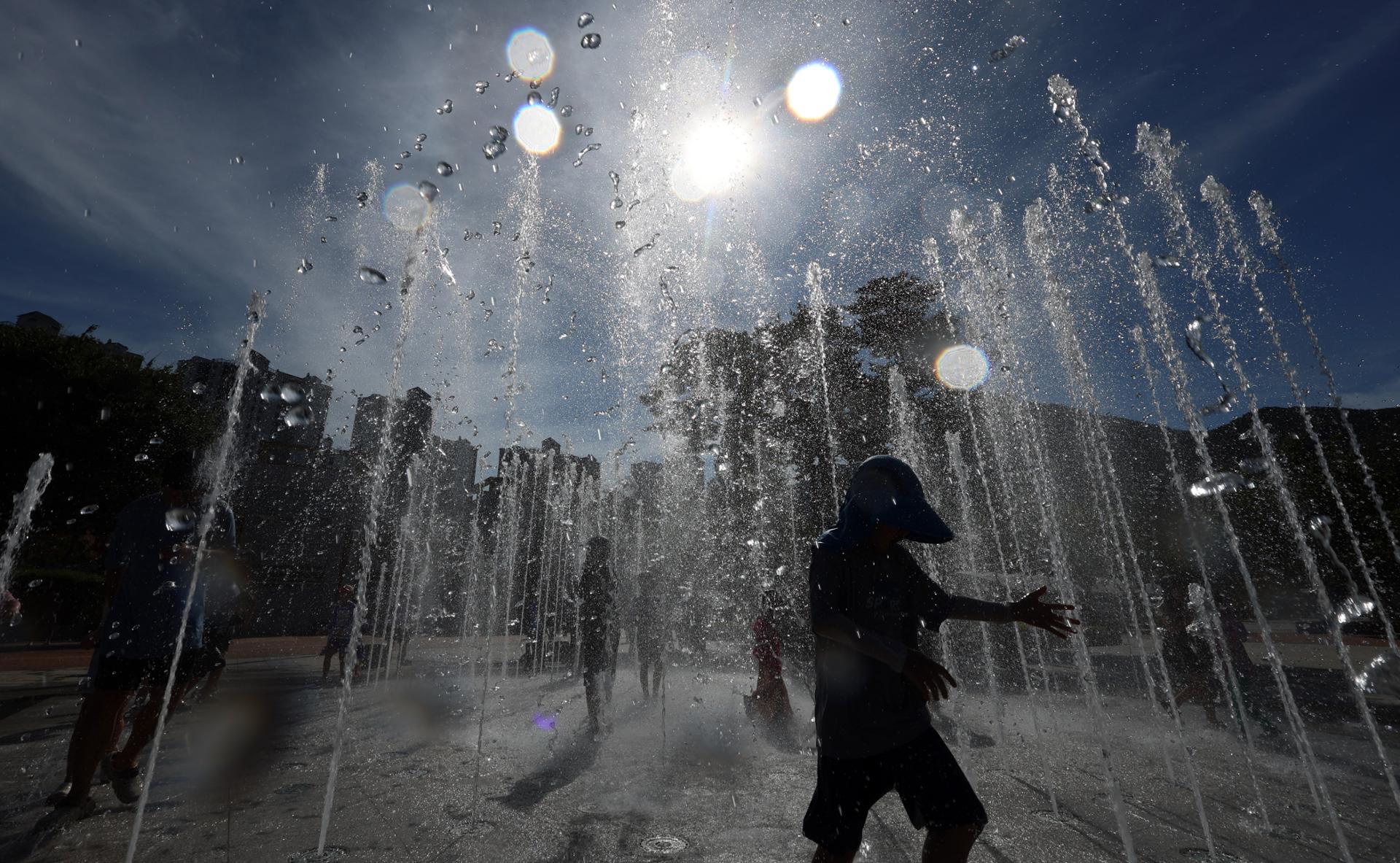
Temperatures in the southeastern South Korean city of Yangsan surpassed 40 degrees Celsius for the fourth consecutive day on Saturday, reaching a new record of 41.6 degrees Celsius as an intense heat wave continued to grip the nation, according to the Korea Meteorological Administration (KMA).
The mercury climbed to 41.6 degrees Celsius in Yangsan, located approximately 310 kilometers southeast of Seoul, at 2:08 p.m. on Saturday, the state weather agency reported.
The previous day, Friday, Yangsan recorded a temperature of 41.4 degrees Celsius, which had already marked the highest reading since modern weather observations began on the Korean Peninsula in 1904, based on records from the KMA's 97 long-term observation stations.
If the temperature in Yangsan reaches 42 degrees Celsius, it would mark the highest temperature ever recorded under the country's modern weather observation system, including data from automatic weather stations.
Only three temperatures higher than Friday's 41.4 degrees Celsius have been recorded in Korea's observation history. Among them is 41.9 degrees Celsius, recorded in Gwangju, Gyeonggi Province, on August 1, 2018. That reading was logged at a site not included among the 97 stations operated by the KMA.
Yangsan, situated in South Gyeongsang Province, has been at the center of the current heat wave affecting the country. On Friday, children were seen playing at a fountain at a water park in the city as temperatures peaked at 41.4 degrees.
The ongoing heat wave has placed significant strain on the region. South Korea typically experiences hot and humid summers due to its East Asian monsoon climate, with the months of July and August being the hottest. The previous national temperature record of 41.0 degrees Celsius was set in the city of Daegu on August 1, 2018, a year marked by an unprecedented heat wave across the Korean Peninsula that contributed to dozens of heat-related deaths and widespread agricultural damage. The latest readings in Yangsan now exceed that benchmark among KMA long-term observation stations.
The KMA operates a tiered heat wave warning system, issuing advisories when perceived temperatures reach 33 degrees Celsius or higher for two or more consecutive days, and escalating to serious warnings at 35 degrees Celsius and above. The current sustained readings well above 40 degrees fall far outside the thresholds typically used to trigger public health alerts and government response measures.
Extreme heat events of this magnitude place added pressure on South Korea's power grid as cooling demand surges, and pose elevated health risks for elderly populations and outdoor workers. They also raise concerns about crop stress and water resource management in affected regions, particularly in agricultural areas of South Gyeongsang Province.
The KMA, established in 1904, operates a nationwide network of observation stations and serves as South Korea's official meteorological authority, providing weather forecasts, climate data, and severe weather warnings.

