XRP Whales Accumulate 70M Tokens as Exchange Reserves Hit Multi-Month Lows
Key Takeaways
- •Wallets holding between 1 million and 10 million XRP accumulated approximately 70 million XRP between July 11 and July 15, 2026, according to Santiment data.
- •Binance's XRP reserves fell to approximately 2.61 billion tokens in mid-July 2026, marking the lowest level since February 2026.
- •Large-holder inflows to Binance dropped to roughly 25.3 million XRP, the lowest figure since January 2025, signaling reduced near-term distribution intent from whales.
- •Over a five-week window, wallet balances in the 100,000 to 100 million XRP range rose approximately 2.8 percent while micro-wallet holdings declined.
- •Analysts caution that on-chain conditions can change within days and that metrics such as exchange reserves and whale deposits should be monitored continuously rather than as one-time snapshots.
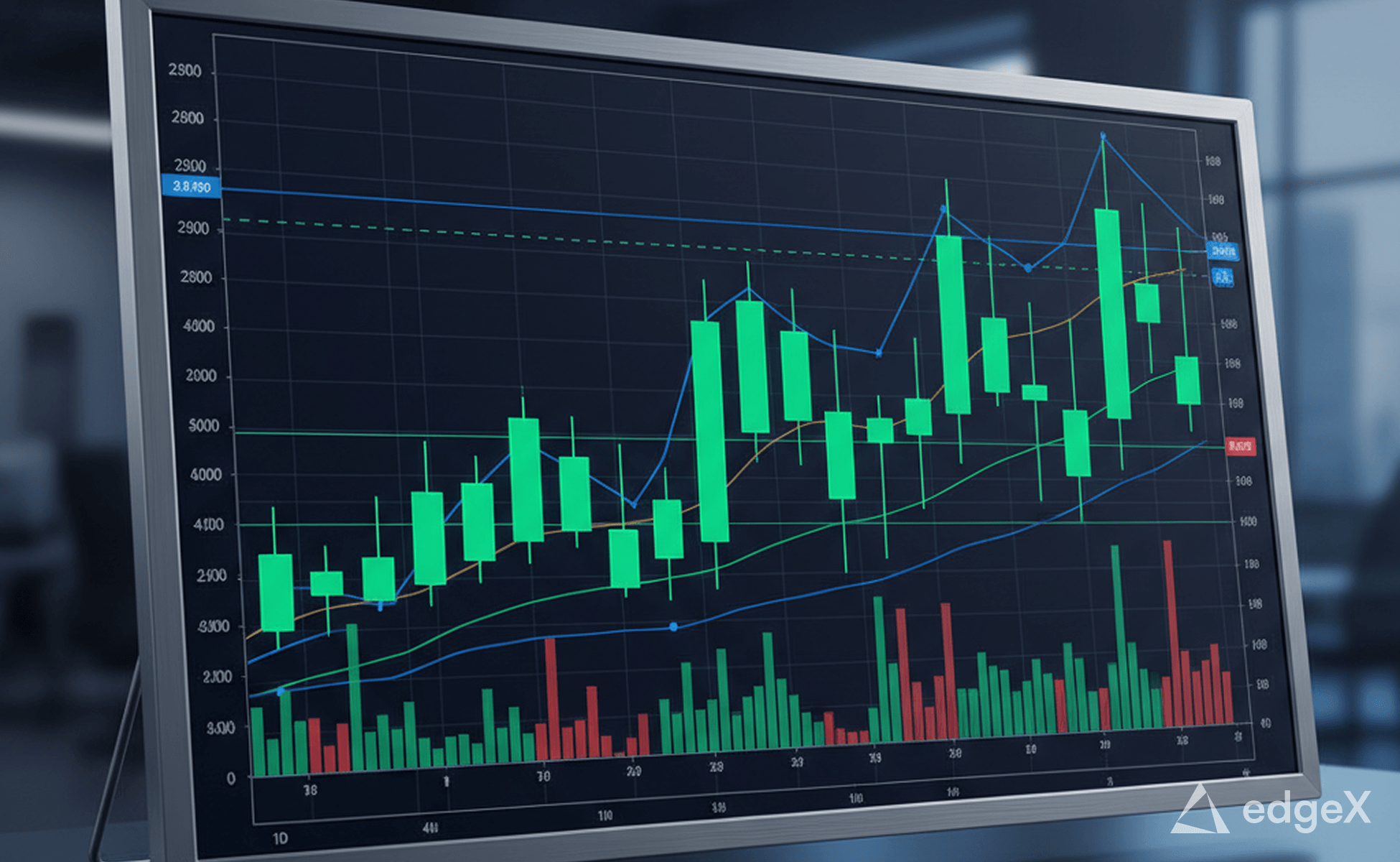
Large XRP holders continued accumulating through mid-July 2026, even as smaller holders reduced their positions, according to multiple on-chain analytics reports. The divergence between whale and retail behavior has drawn attention to several key metrics that paint a picture of tightening supply on major exchanges. XRP, the native token of the XRP Ledger used primarily for cross-border payments, consistently ranks among the top cryptocurrencies by market capitalization.
Whale Cohorts Add Significant Holdings
Wallets holding between 1 million and 10 million XRP added approximately 70 million XRP between July 11 and July 15, 2026, according to Brave New Coin citing Santiment. This four-day accumulation by a single cohort represents a meaningful increase in large-holder positioning.
Over a broader five-week window, balances for wallets in the 100,000 to 100 million XRP range rose approximately 2.8 percent, while micro-wallets shrank — a pattern that BeInCrypto, citing Santiment, characterized as a transfer of holdings from smaller retail participants to larger players.
Historically, such cohort shifts have been associated with medium-term price stabilization or appreciation, though the pattern can take weeks or months to play out. Whales frequently build positions during sideways or choppy market conditions, a period during which retail participants may lose patience and divest.
Binance XRP Reserves Drop to Six-Month Low
Separate data from CoinCentral, citing CryptoQuant, shows that Binance's XRP reserves fell to approximately 2.61 billion XRP in mid-July 2026 — the lowest level since February 2026. Lower exchange reserves generally indicate a reduced supply of tokens available for immediate sale on a given venue.
Close attention to exchange reserves intensified across the cryptocurrency industry following the collapse of FTX in November 2022, which highlighted the counterparty risk of leaving assets on trading platforms. Since then, declining exchange balances have been widely interpreted as a sign that holders are moving tokens into self-custody — a trend observed across major cryptocurrencies including Bitcoin and Ethereum, not exclusively XRP.
When larger holders move tokens off exchanges into cold storage or custodial solutions, the available float on trading platforms decreases. If demand materializes against a thinner order book, price movements can be amplified. However, reduced exchange supply alone does not guarantee upward price action; sustained buyer interest remains a necessary factor.
Whale Deposits to Exchanges Near 18-Month Low
BeInCrypto, citing CryptoQuant data analyzed by contributor Darkfost, reported that large-holder inflows to Binance dropped to approximately 25.3 million XRP — the lowest figure since January 2025. This steep decline in whale deposits suggests that selling pressure from major holders has eased considerably.
A drop in exchange deposits from large wallets typically signals fewer near-term sell attempts. Market analysts note that sustained low inflows during periods of sideways price action can be a constructive structural indicator, as it implies that major holders are not distributing into the market.
Understanding Key On-Chain Metrics
Several metrics are commonly used to assess XRP's on-chain structure:
- Whale wallets: Large holders whose positions are substantial enough to influence liquidity and order books. These are typically tracked by cohort balance ranges.
- Exchange reserves: The total amount of XRP held in wallets controlled by a cryptocurrency exchange. Declining reserves can signal reduced potential sell supply on that venue.
- Inflows and deposits: Tokens moving from private wallets to exchanges. Rising inflows can precede selling pressure, while falling inflows often indicate reduced near-term distribution intent.
- Cohort balances: The combined holdings of wallet groups organized by size range, used to identify whether accumulation is concentrated among larger or smaller participants.
- Spot versus derivatives: Spot holdings represent direct token ownership, while derivatives introduce leverage and associated liquidation risk. On-chain exchange flows primarily reflect spot and collateral movements.
Combined Signal: Thinner Supply, Reduced Distribution
Taken together, the current readings describe an environment in which exchange-held XRP supply is contracting while large-holder deposits remain muted. Thinner exchange reserves combined with fewer large deposits suggest that potential near-term sell pressure from major holders has diminished.
However, analysts caution that these conditions can shift rapidly. A single week of elevated whale deposits could replenish exchange order books and alter the supply-demand dynamic. Flow-based readings are most useful when monitored continuously rather than as one-time snapshots, as conditions can change within days.
Signal latency also presents a practical limitation. Some analytics dashboards update on hourly or daily cycles, meaning that data may not reflect real-time conditions. Market participants relying on these metrics should account for potential delays in reporting.
XRP-Specific Considerations
XRP has several characteristics that distinguish it from other major cryptocurrencies and can influence how on-chain signals should be interpreted.
Ripple escrow releases: Ripple executes monthly escrow releases of up to 1 billion XRP. While a significant portion is typically returned to escrow, the release schedule can affect market sentiment, particularly during periods of thin liquidity. Market impact varies depending on concurrent conditions and is not automatically negative.
Regulatory sensitivity: Legal and regulatory developments related to payments, remittances, and court proceedings involving Ripple can interrupt otherwise stable on-chain patterns. In July 2023, U.S. District Judge Analisa Torres ruled that XRP was not a security in the context of secondary-market sales on public exchanges — a decision widely regarded as a landmark for U.S. cryptocurrency regulation. Subsequent legal proceedings and appeals have continued to shape XRP's regulatory landscape. Such headlines can override structural indicators and shorten reaction windows for market participants.
Cohort diversity: Large wallets are not a monolithic group. Some accumulate over extended horizons, while others trade within defined ranges. An increase in 1M–10M XRP wallet holdings indicates that a meaningful segment of large holders has been buying, but it does not necessarily reflect uniform positioning across all whales.
Risks and Limitations of On-Chain Interpretation
Several pitfalls are associated with interpreting these metrics:
-
Overfitting to a single indicator: Relying exclusively on exchange reserves or cohort growth without cross-referencing multiple data points can produce an incomplete picture. Analysts generally recommend triangulating at least two flow-based readings alongside price behavior.
-
Ignoring deposit spikes: A sudden increase in whale inflows to exchanges can precede sell pressure. When such spikes occur, they warrant immediate attention regardless of broader trends.
-
Calendar awareness: Ripple escrow events, macroeconomic data releases, and legal proceedings can cause sharp price movements even when on-chain flows appear stable. These scheduled events can override structural signals.
-
Leverage risk in volatile conditions: XRP is known for price volatility. Tight exchange floats can produce sharp price wicks that may adversely affect leveraged positions, even in otherwise constructive structural environments.
-
Breakout reliability in low-volume conditions: When trading volume is light and exchange inflows begin to rise, breakout attempts may be more prone to reversal.
Accumulation patterns can be early, slow, and can still fail if macroeconomic conditions or regulatory developments shift the market. On-chain signals provide context and informational value, but they do not guarantee specific outcomes.
Monitoring These Metrics
Reputable cryptocurrency news outlets regularly summarize updates from analytics platforms such as Santiment and CryptoQuant, both of which are among the most widely referenced on-chain data providers in the digital asset industry. Several dashboard services offer limited public charts and alert features. A basic monitoring routine of tracking exchange reserves, large whale deposits, and cohort balances on a weekly basis can provide ongoing visibility into structural shifts in XRP's market.
Disclaimer: This article is provided for informational purposes only. It is not offered or intended to be used as legal, tax, investment, financial, or other advice.

