XRP Asia Launches at XRP Seoul 2026 as XRPL Prepares Two October Upgrades
Key Takeaways
- •XRP Asia debuted at XRP Seoul 2026 to drive XRP Ledger adoption across the Asia-Pacific region, led by Sabrina Tachdjian, formerly vice president at the Hedera Foundation.
- •The organization plans developer support measures including training programs, micro-grants, early-stage investments, and go-to-market assistance, with stated focus areas spanning retail applications, AI-based payments, and non-financial enterprise uses.
- •Two XRPL protocol changes—Permission Delegation Infrastructure on October 8 and the Batch Amendment on October 9—each require more than 80% validator support during their activation windows to take effect.
- •Ripple President Monica Long outlined credit-related pilots targeted for next year, including using pooled XRP as collateral to help fund customer payments, though the activity remains a planned step rather than an active service.
- •Representatives from Woori Bank, K Bank, and JB Bank participated in a panel on cross-border payments and tokenized deposits, following SBI Ripple Asia's approval in Japan as a Third-Party Prepaid Payment Instrument Issuer.
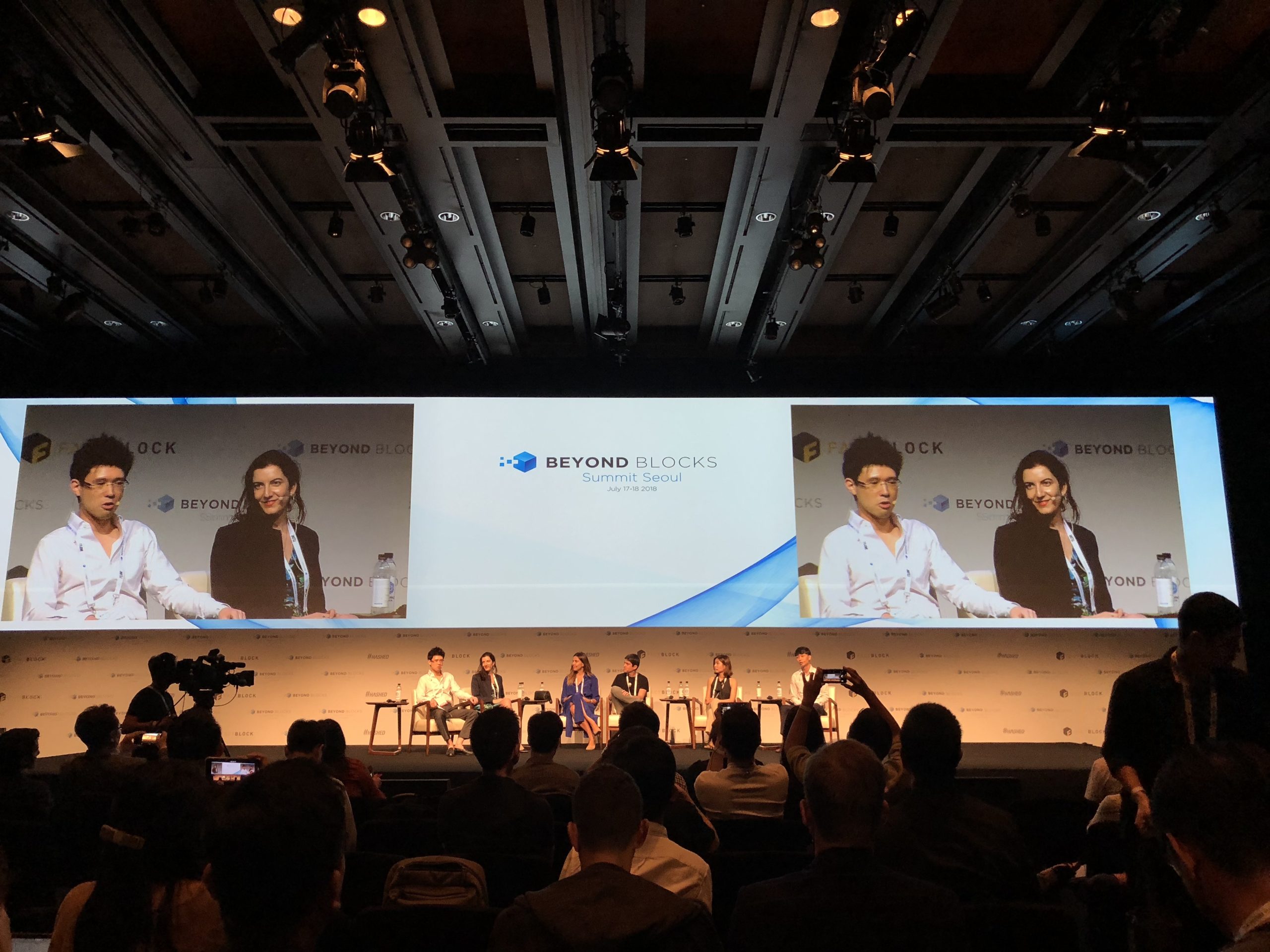
XRP Asia made its debut at XRP Seoul 2026, kicking off a regional push to grow adoption of the XRP Ledger (XRPL) throughout the Asia-Pacific region. The newly formed group intends to bring businesses, developers, and financial institutions onto the network.
The debut precedes two XRPL protocol changes planned for early October 2026: Permission Delegation Infrastructure and the Batch Amendment. According to Coinpedia's launch report, both changes require more than 80% validator support during their activation periods before they can take effect. That 80% bar is part of the XRP Ledger's amendment process, in which the validators that maintain the network — not any single entity — decide whether a protocol change goes live.
Four Areas of Work
Sabrina Tachdjian, formerly vice president at the Hedera Foundation, is leading the new organization. Its strategy is organized around four areas — technology, startup success, community, and marketing — with support aimed at developers building on the ledger.
Concrete support measures are planned, including training programs, micro-grants, early-stage investments, and go-to-market assistance. Together, they make up the developer support package outlined in the regional rollout, which also seeks to draw businesses to the network.
The group's ambitions reach past decentralized finance (DeFi). XRP Asia has also named retail applications, AI-based payments, and non-financial enterprise use cases among its stated focus areas.
Tachdjian is scheduled to speak on October 3 at the Grand Hyatt Seoul during Korea Week, in a session titled "Special Announcement: What's Coming Next for the XRP Ecosystem in Asia."
The program also included representatives from Woori Bank, K Bank, and JB Bank, who joined a panel on cross-border payments and tokenized deposits — placing traditional financial institutions within the initiative described at the launch.
Ripple's Credit-Related Pilots
Speaking at XRP Seoul 2026, Ripple President Monica Long said the company plans to link the XRP Ledger with payment infrastructure. She also outlined credit-related pilots with activation targeted for next year, including the use of pooled XRP as collateral to help fund customer payments. Per the report, this payment-funding activity is presented as a planned step rather than an already activated service.
The initiative follows SBI Ripple Asia's approval under Japan's Payment Services Act, which recognizes the company as a Third-Party Prepaid Payment Instrument Issuer — a designation that supports regulated prepaid token activity on the XRPL.
Two Protocol Changes Await Validators
Permission Delegation Infrastructure is slated for October 8. The upgrade will let companies delegate transaction signing while retaining control of their main wallets.
One day later, on October 9, the Batch Amendment is due. It will enable multiple transactions to be grouped and processed in a single ledger entry, improving speed and efficiency for high-volume activity.
Both updates are arriving alongside XRP Asia's regional rollout, and each still needs more than 80% validator support during its activation window before the planned change can proceed. With Tachdjian's October 3 session falling just ahead of the two activation dates, the opening stretch of October 2026 packs a series of near-term checkpoints for observers tracking the ledger's expansion in Asia.

