XMR1 Crashes 99.8% After $13.5M Hyperliquid Dump; Wagyu Pledges Full Refunds
Key Takeaways
- •XMR1, the wrapped Monero token on Hyperliquid, fell roughly 99.8% in about 30 minutes on Nov. 20 after a new account sold 369,623 tokens for around $13.51 million.
- •Bitquery traced the proceeds from Hyperliquid to Arbitrum, where approximately $13.22 million was converted into 7,467 ETH and moved to Ethereum through Socket, Mayan, and Stargate.
- •Wagyu attributed the incident to a deployer key stolen in a cyberattack on Icelandic hosting provider 1984.hosting and committed to reimbursing affected traders and relaunching the service.
- •Larger buyers bore most of the losses, with 27 accounts that each purchased at least $100,000 accounting for 77% of the funds the attacker raised.
- •The same deployer key also controls 99.97% of ZEC1, the wrapped Zcash token, whose disposition remains unresolved alongside the reimbursement process.
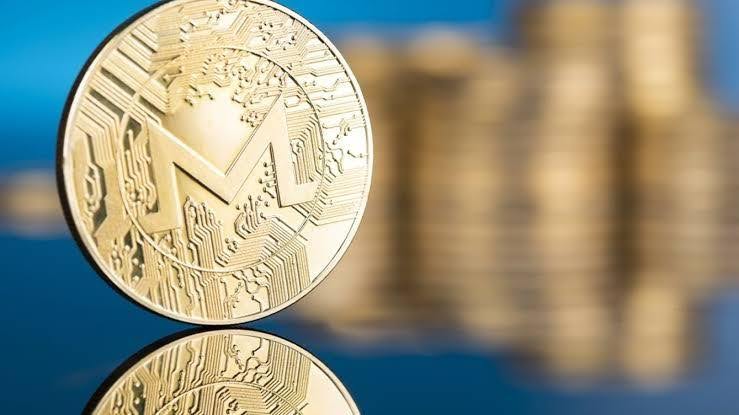
XMR1, the token representing Monero on the Hyperliquid trading platform, collapsed from roughly $500 to about $1 on Nov. 20 after a newly created account entered the market with hundreds of thousands of tokens. The sell-off drained approximately $13.51 million from Hyperliquid's XMR1 holdings and erased nearly 99.8% of the token's value within about 30 minutes. On-chain analytics firm Bitquery traced the funds across Hyperliquid, Arbitrum, and Ethereum, while Wagyu, the service behind XMR1, attributed the incident to a misused deployer key and pledged to reimburse affected traders.
Because native Monero runs on its own independent, privacy-focused blockchain, it cannot be traded directly on Hyperliquid. XMR1 exists on the platform as a tradable representation of XMR, issued and redeemed through Wagyu's bridge, which allows users to deposit Monero, trade the wrapped token, and convert their holdings back at a later time. Setups of this kind tie the tradable supply on the platform to the issuer's operational security: whoever controls the deployer key — the privileged credential attached to the token's contract — controls how that supply can move.
XMR1 Loses 99.8% in About 30 Minutes
According to Bitquery's updated analysis, the XMR1 deployer account transferred 5.2 million tokens to a previously unused address in three transactions ahead of the dump. Within roughly half an hour, the receiving account attempted to sell 369,623 XMR1 to 420 buyers for a total of approximately $13.51 million, pushing the token's price down from around $500 to about $1.
The losses skewed toward larger market participants. Bitquery's data showed that 27 accounts that each bought at least $100,000 accounted for 77% of all funding, with the remaining 23% coming from a wider pool of smaller buyers. In addition, 75% of the funds raised were already positioned on the order book.
Attacker Converts USDC Into Thousands of ETH
The sales left an extensive on-chain trail. Bitquery located $13.28 million of USDC sent from Hyperliquid to Arbitrum. Roughly $13.22 million of that amount was then swapped via CoW into 7,467 ETH, and the majority of the ether was subsequently bridged to Ethereum through three separate services: Socket, Mayan, and Stargate. Splitting the transfers across three protocols dispersed the trail over multiple services, even as each hop remained individually visible on-chain.
At the time of Bitquery's latest check, 7,348 ETH remained in three wallets. A single wallet held the largest share at 4,836 ETH, and no further transactions had been recorded from it as of the firm's most recent review.
Wagyu Says Deployer Key Was Stolen
PerpetualCow, representing Wagyu, said the attackers acquired the XMR1 deployer key after a cyberattack on 1984.hosting, an Icelandic hosting provider. Both the hosting company and Iceland's national cyber security unit issued two separate reports concerning a serious cybersecurity incident. The account places the point of failure in third-party hosting infrastructure, upstream of the token contract and the venues where XMR1 traded.
Blockchain data on its own cannot determine whether the deployer key was obtained accidentally or deliberately, or who handled the key at the time of the transfers. PerpetualCow nonetheless guaranteed that traders who lost money will be reimbursed, and it stated that Wagyu will be relaunched. For the affected traders, the immediate open items are how the reimbursement will be carried out and what the relaunched service will look like.
Monero Itself Was Not the Asset That Failed
The failed asset was XMR1, not native Monero (XMR). The security focus therefore rests on the token issuance entity, the bridge's infrastructure, and privileged keys rather than on the Monero system itself. The episode illustrates what that distinction means in practice: a wrapped listing exposes holders not only to the underlying asset's price but to the issuer's bridges, hosting arrangements, and administrative keys.
Bitquery also discovered that the same deployer account held 99.97% of ZEC1, the token used to represent Zcash, meaning another large supply of tokens — this time ZEC1 — remained under the control of the same key used in the XMR1 transfers. The disposition of that ZEC1 supply, together with the reimbursement and relaunch process, is what remains unresolved as the aftermath of the incident plays out.
Source: Crypto Ninjas

