Xi Says US-China Relationship Will Be One of 'Strategic Stability' Based on Respect, Fairness and Reciprocity
Key Takeaways
- •Xi said the US-China relationship will be defined by "strategic stability" grounded in respect, fairness and reciprocity.
- •Xi agreed with Trump to add new substance to the bilateral relationship, but the report did not specify what concrete measures this would involve.
- •Trump said the leaders' meetings have made tremendous strides for both countries and indicated the two will speak frequently.
- •Investinglive's commentary observed that while the remarks did not break new ground, they represented a departure from the constant China fighting that has marked much of Trump's tenure.
- •Tariffs, export controls and trade imbalances remain persistent frictions, and upcoming leader-level exchanges are expected to be the channel through which specifics behind the "new substance" language emerge.
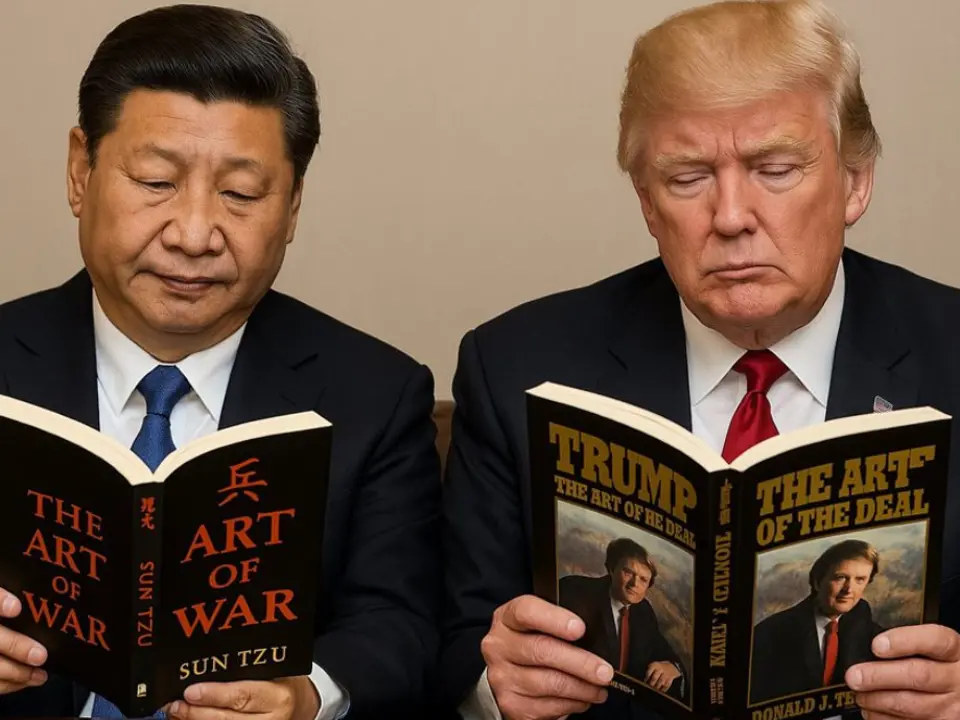
Chinese President Xi Jinping said the United States and China will build a relationship defined by "strategic stability" grounded in respect, fairness and reciprocity, according to remarks reported by Investinglive.
Xi: Adding "New Substance" to US-China Ties
Xi said he agreed with US President Donald Trump to add new substance to the US-China relationship, per the report. The report did not specify what concrete measures the commitment would involve.
Trump: "Tremendous Strides for Both Countries"
Commenting on the exchange, Trump said: "We've made tremendous strides for both countries in meetings."
"We will be speaking a lot," he added.
A Shift in Tone
Investinglive's accompanying commentary observed that while the remarks did not break new ground, "this is a nice departure from the constant China fighting that has characterized much of Trump's tenure, and his entire public persona since he entered into politics."
Tone at the leaders' level as a data point in its own right: leader-to-leader exchanges and public remarks are among the primary windows outside observers have into the state of the US-China relationship.
Background
Xi has served as president of the People's Republic of China since 2013. Trump, who entered national politics with his 2016 presidential campaign, has made the US-China economic relationship a recurring focus of his tenure, with tariffs, technology export controls and trade imbalances among the persistent points of friction between Washington and Beijing — policy levers that bear directly on cross-border trade and global supply chains. High-level communication between the leaders of the world's two largest economies is closely watched by policymakers, businesses and investors for signals about the direction of bilateral ties, since tariff and export-control decisions shape costs and market access well beyond the two countries' borders. As for follow-through, Trump's comment that the two "will be speaking a lot" points to further leader-level exchanges — the channel through which any specifics behind the "new substance" language would first appear.

