Xi Jinping Promotes Five-Pillar AI Strategy at BRICS Summit
Key Takeaways
- •Chinese President Xi Jinping proposed a five-pillar AI cooperation strategy at the 18th BRICS Summit in New Delhi, spanning open-source frameworks, trade and investment, digital industry, smart manufacturing, and talent development.
- •The plan's central component is a proposed BRICS AI Open Source Zone for collaborative development of large language models and their training infrastructure.
- •Xi invited BRICS members to join the newly established World AI Cooperation Organization.
- •The summit marked the 20th anniversary of the BRICS mechanism and added Iran, Indonesia, Egypt, Ethiopia, and the United Arab Emirates as new members.
- •China is set to assume the rotating chairmanship for the 19th BRICS Summit in 2027, positioning Beijing to operationalize the AI agenda, which is framed as a means to stabilize supply chains and deepen market integration.
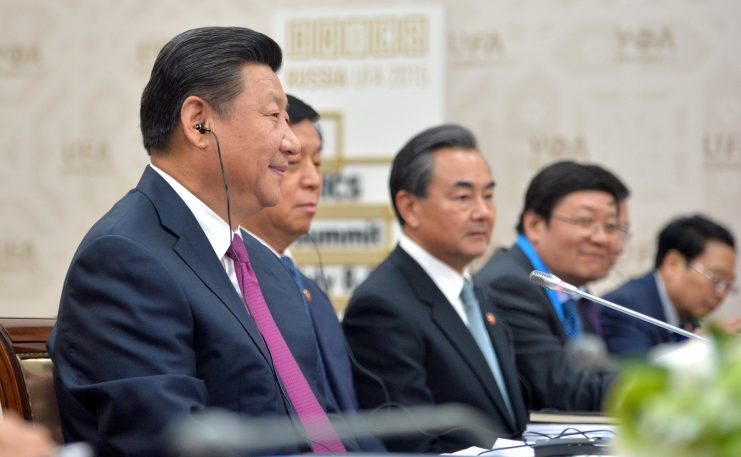
At the 18th BRICS Summit in New Delhi, Chinese President Xi Jinping presented a five-pillar artificial intelligence strategy intended to bring developing countries together around China’s technological vision. The proposal links cooperation on AI models and infrastructure with trade, industrial modernization, manufacturing, and workforce development.
Five pillars for AI cooperation
Xi’s proposals, delivered during the September 12–13 summit, covered five areas: establishing an open-source and inclusive AI framework; facilitating trade and investment; modernizing digital industry; advancing smart manufacturing; and developing talent across member nations.
The centerpiece of the plan is the proposed BRICS AI Open Source Zone, which would allow member countries to collaborate on large language models and the infrastructure required to train them. Its progress would depend on how BRICS members translate the proposal into shared projects and participation.
Xi also invited BRICS members to join the newly formed World AI Cooperation Organization.
Expanded BRICS membership
This year’s summit marked the 20th anniversary of the BRICS mechanism. Iran, Indonesia, Egypt, Ethiopia, and the United Arab Emirates were among the new additions to the group.
India held the 2026 chairmanship and hosted the summit. China is scheduled to take over the rotating chairmanship for the 19th BRICS Summit in 2027. That would give Beijing a year to shape the agenda and put the proposed AI initiatives into operation while hosting the group. The transition makes membership decisions, the development of the proposed open-source zone, and cooperation on AI infrastructure areas to watch as the agenda moves from proposals to implementation.
Supply chains and integrated markets
Xi explicitly presented the AI initiatives as measures to stabilize supply chains and create more integrated markets among BRICS members. The five pillars therefore place AI cooperation within a broader economic framework, connecting digital capabilities with trade, industrial capacity, manufacturing, and talent development.

