Beer, kits, hospitality and stadia can take Women's Super League to greater heights
Key Takeaways
- •The WSL's new season opened with London City Lionesses facing Manchester United, featuring major signing and two-time Ballon d'Or winner Alexia Putellas.
- •The league is now run by Women's Professional Leagues Limited, an independent body that took over from the FA ahead of the 2024-25 season with a remit to grow commercial revenues.
- •Chelsea Women will play all their league home games at Stamford Bridge this season as more clubs move matches to larger men's-team stadia.
- •A Barclays report found that fans spend more across a matchday at WSL games than at men's Premier League matches, and alcohol can now be consumed in view of the pitch at all WSL and WSL2 clubs.
- •Merchandise gaps persist, as most WSL clubs' replica shorts are unavailable, while Brighton plan a purpose-built women's stadium and investors such as Gillian Anderson are entering the women's game.
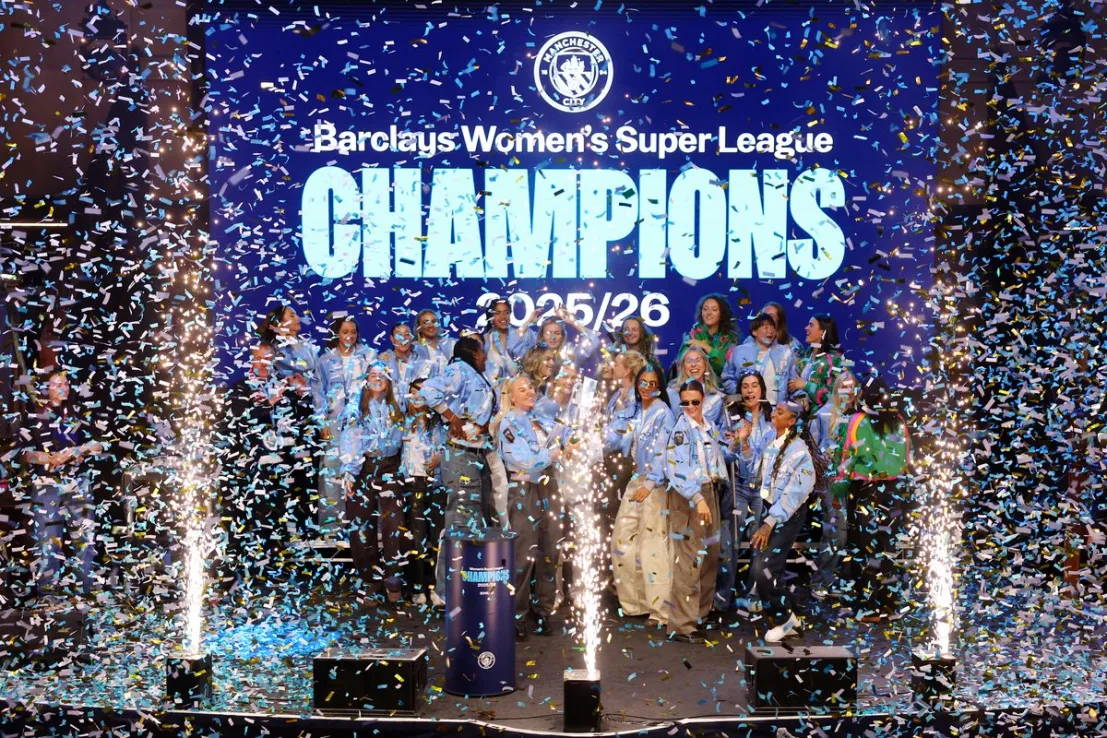
Bigger crowds and greater matchday revenue are just some of the growth opportunities facing the Women's Super League (WSL) as the new season gets underway, writes Sarah Rock.
This weekend marks the return of the WSL, with last night's opening fixture between London City Lionesses and Manchester United featuring one of the league's biggest-name signings to date: two-time Ballon d'Or winner Alexia Putellas (Nike has become London City Lionesses' sponsor and kit partner).
The transfer market has been especially busy over the summer, now including multiple transfers commanding fees of £1m or more, as the league and its clubs look to build on the success of recent seasons. That momentum has been building since England's Euro 2022 triumph on home soil and their run to the 2023 Women's World Cup final, moments widely credited with lifting the domestic profile of the women's game. The league now operates under an independent governing body, Women's Professional Leagues Limited, which took over the running of the WSL and WSL2 from the Football Association ahead of the 2024-25 season with a remit to grow commercial revenues.
With overall attendances growing, more clubs are moving fixtures into the stadia of their associated men's teams — Chelsea being the latest, as they will play all of their league games at Stamford Bridge this season. This brings the possibility of larger crowds and greater matchday revenue. A report produced by Barclays earlier this year showed that fans spend more across a matchday when attending a WSL game than when attending a men's Premier League match.
That spending is likely to increase with the introduction of drinking alcohol in view of the pitch, an experience now available to all clubs in the WSL and WSL2. The scheme was trialled over the previous two seasons and has received shareholders' approval for a full rollout. Crowds at WSL and WSL2 matches tend to be more family-focused, and without the tribalism and aggression more often associated with men's football, this new revenue stream looks a sensible and welcome addition to the matchday experience at women's games.
The league is also consistently finding new and innovative ways to modernise the game and appeal to new audiences. The move to bigger, better-equipped grounds additionally opens the door to a greater hospitality offering.
Family-friendly hospitality at WSL matches
Appealing to the corporate market is one way the WSL can continue to grow. While hospitality is not new to football, the prospect of clients being entertained alongside their children brings a fresh spin to corporate entertainment. Clubs are providing family-friendly lounges where deals can be done while the protagonists' children have their faces painted or enjoy a meet-and-greet with players or the mascot.
Because the fanbase spends more on a matchday — outside of food and drink — at women's games than at men's, there is a need for a wider variety of merchandise. Only a few years ago it was not possible to purchase the replica goalkeeper shirt of the England Lionesses No1. Although that has been rectified, the full array of replica kit is still lacking: it is not possible to buy most WSL clubs' replica shorts. With kits now tailored to fit the female form, this oversight is blocking a potential income stream, leaving gym-going female fans unable to wear their team's colours in the correct fit when working out. Kit supply deals with major sportswear brands, such as Nike's partnership with London City Lionesses, are one route through which that merchandise gap may close.
Merchandise spending in women's football is nonetheless growing, demonstrated by the opening of the first official shop dedicated to women's football kit in Manchester earlier this year. Brighton and Hove Albion's plans to build a stadium specifically designed for their women's team and its unique fanbase show a direction of travel that recognises the opportunities in the women's game. Household names such as Gillian Anderson are also now seeing the investment potential in this fast-growing part of sport. As the season kicks off, it will be exciting to see where it goes next.
Sarah Rock is a partner and head of construction at Boodle Hatfield.
