Wall Street Journal Editorial Board Slams Trump's Latest Canada Tariffs: 'It Got Dumber This Weekend'
Key Takeaways
- •The Wall Street Journal's editorial board renewed its criticism of Trump's Canada tariffs in a piece titled 'The Dumbest Trade War Revisited,' published ten weeks before the midterm elections.
- •The 50% tariffs on $20 billion of Canadian goods took effect Saturday after a near-agreement collapsed, invoking Section 338 of the 1930 Tariff Act, a power no previous president had exercised.
- •Canadian Prime Minister Mark Carney has threatened to retaliate dollar-for-dollar beginning September 8.
- •Trump justified the new duties by citing Canada's retaliation against his national-security auto tariffs and provincial restrictions on U.S. alcohol sales.
- •The editors warned the tariffs will affect consumer goods, construction materials and manufacturing components, and noted Republicans are already facing campaign-trail criticism over tariffs and inflation.
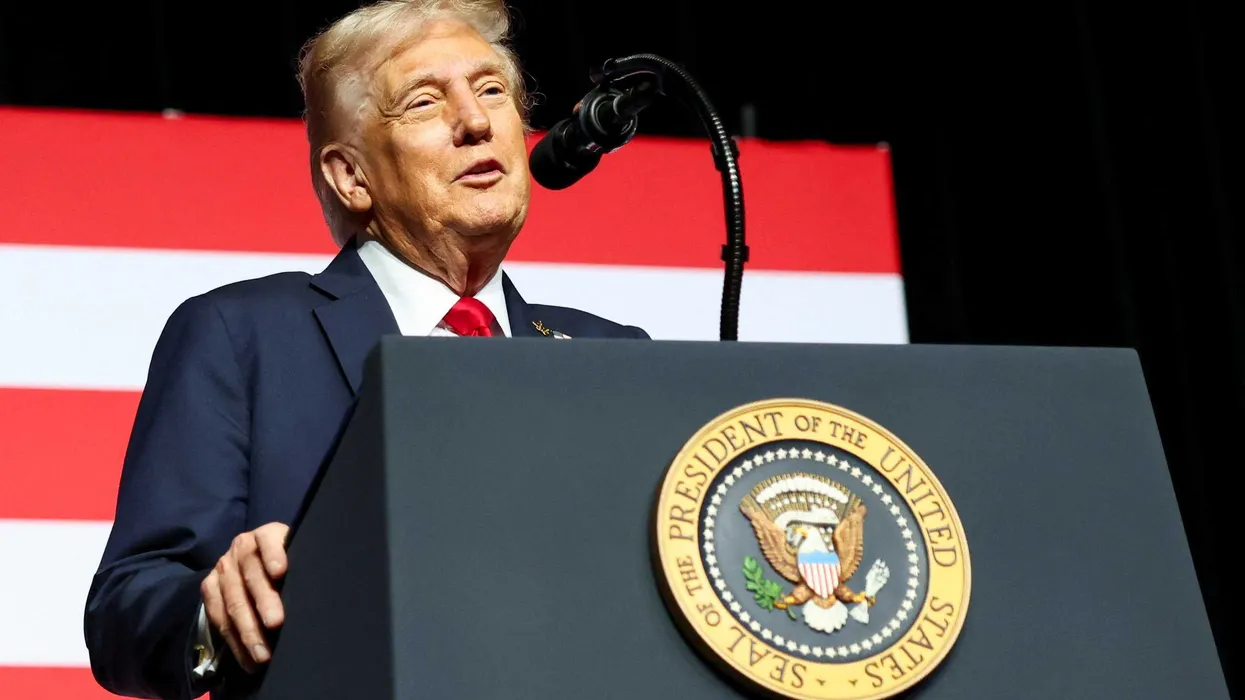
The Wall Street Journal's editorial board delivered a blunt rebuke late Sunday to President Donald Trump's weekend move to set off a major trade war with Canada, reviving a criticism the board first leveled a year ago.
In an editorial headlined "The Dumbest Trade War Revisited," the editors wrote that the dispute "got dumber this weekend as Mr. Trump escalated with another round of border taxes on Canadian imports, a mere 10 weeks before midterm elections." They noted that Trump took exception last year when the board called his tariffs against Canada and Mexico the dumbest trade war in history.
The latest tariff threat, issued last month, rests on Section 338 of the 1930 Tariff Act, which allows the President to impose tariffs of up to 50% on countries that discriminate against "commerce of the United States, directly or indirectly." The editors pointedly added, "No previous President has used this power."
Trump had set a deadline of midnight Friday for Canada to reach a deal to avert 50% tariffs on $20 billion of goods. The two countries were close to an agreement until "the cease-fire blew up" at the last minute, the editorial said, with each side blaming the other. The threatened tariffs took effect Saturday morning. With the duties now in place, the dispute has moved from a negotiating threat to an active trade fight that could affect a wide range of import-dependent industries on both sides of the border.
Canadian Prime Minister Mark Carney has threatened to retaliate dollar-for-dollar beginning September 8. The editors argued that both sides could still walk back from the ledge, though Trump's escalation could make that harder for Carney politically because Canadians do not like being bullied by Washington.
To justify the new tariffs, Trump said Canada had discriminated against the United States by retaliating against his national-security tariffs on autos. He also claimed that Canadian provinces had restricted sales of U.S. alcoholic beverages in response to his "emergency" tariffs last year.
"Mr. Trump's latest round of border taxes will hit an array of consumer goods, construction materials and manufacturing components," the editors concluded. "Republicans are already getting pounded on the campaign trail over his tariffs and inflation. One reason for Mr. Trump's frigid approval rating is that voters believe Mr. Trump is waging blunderbuss wars without a strategy, and on trade they're right."
Source: Raw Story

