WSJ Editorial Board Slams FCC Chair Brendan Carr as ABC Lawsuit Pushes Back on Press Crackdown
Key Takeaways
- •The Wall Street Journal editorial board said Brendan Carr threatened ABC’s broadcast licenses and used regulatory pressure against the network.
- •The board argued that the dispute with ABC is part of a wider campaign against Disney and that a DEI probe may be serving as a pretext.
- •Carr cited Disney’s DEI investigation to justify an early review of licenses for eight ABC-owned local stations, none of which expire before 2028.
- •The board said the lawsuit could help check FCC overreach and test the limits of regulatory authority over newsroom and programming decisions.
- •The board noted that Carr previously criticized efforts to use the FCC to censor Trump-related broadcasts, calling that a "dangerous and sweeping attempt" to weaponize the agency.
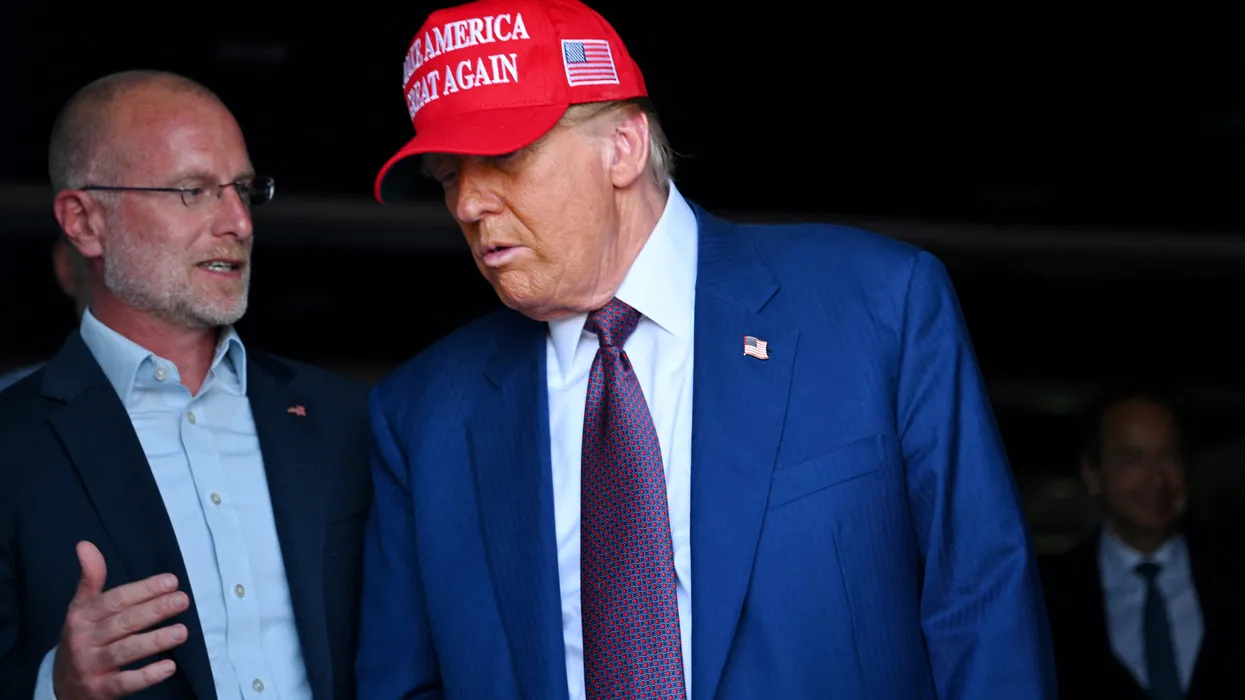
The Wall Street Journal's editorial board has welcomed the new legal action filed against President Donald Trump's Federal Communications Commission, accusing the agency's chairman, Brendan Carr, of threatening the broadcast licenses of politically disfavored companies.
In an editorial, the board wrote that Carr "has threatened to yank the licenses of ABC's broadcast stations, sought to impose political control over guests on its daytime program 'The View,' and launched an investigation into its employment practices." The message to broadcasters, the board said, amounts to: "Warning to broadcasters: Don't criticize the President." The board noted that Trump's dispute with ABC dates back to his first term, when he complained that the network's news coverage was unfair, and that regardless of where TV networks fall on the political spectrum, "Mr. Trump thinks any criticism is unfair."
The board also pointed to what it described as a clear evidence trail left by Carr, who said at the time: "We can do this the easy way or the hard way. These companies can find ways to take action on Kimmel, or there is going to be additional work for the FCC ahead ... They have a license granted by us at the FCC, and that comes with it an obligation to operate in the public interest."
The administration's attack on ABC, the board argued, is really an extension of its broader campaign against Disney. Officials may claim the effort is solely about investigating whether Disney's diversity, equity, and inclusion policies are discriminatory, the board said, but Carr seems "to be using the DEI probe as a pretext." He cited the DEI investigation in April to justify an early review of the broadcast licenses for the eight local broadcast stations that ABC directly owns and operates. None of those licenses expire before 2028, the board noted, adding that "the FCC has never simultaneously demanded an early review of a group of station licenses owned by a single broadcast network." That makes the dispute more than a corporate fight between ABC and regulators; it also tests how far the FCC can go when its licensing authority intersects with newsroom and programming decisions that are ordinarily protected by the First Amendment.
With ABC now fighting back in a new lawsuit, the board wrote that there may finally be a check on this overreach. The case also places a broader spotlight on how broadcasters, which depend on FCC licenses to operate, can challenge pressure that they say goes beyond ordinary regulatory oversight.
The board closed by noting the irony that just six years ago, Carr "lambasted a progressive media group for petitioning the FCC to censor broadcasts of Mr. Trump's Covid press conferences, calling it a 'dangerous and sweeping attempt by the left to weaponize the FCC.'" Its conclusion: "It's a shame Mr. Carr won't defend ABC's free-speech rights today."

