WSJ analysis argues that MAGA has embraced policies it once called socialist
Key Takeaways
- •Greg Ip said MAGA’s opposition to free markets and globalization marks a departure from traditional Republican economic doctrine.
- •Polls cited in the analysis found roughly 70% or more support for several policies associated with the political left, including drug-price limits, a $15 minimum wage and a 10% credit-card interest cap.
- •The analysis identified areas of policy overlap between Trump and Bernie Sanders, including proposals involving government control or ownership in energy and artificial intelligence.
- •JD Vance was described as challenging Republican economic orthodoxy while grounding American identity in religion and national origin.
- •Ip said MAGA and Democratic socialism are unlikely to merge because they assign different meanings to identity, and he reported declining support for Trump’s economic and immigration records beyond his core supporters.
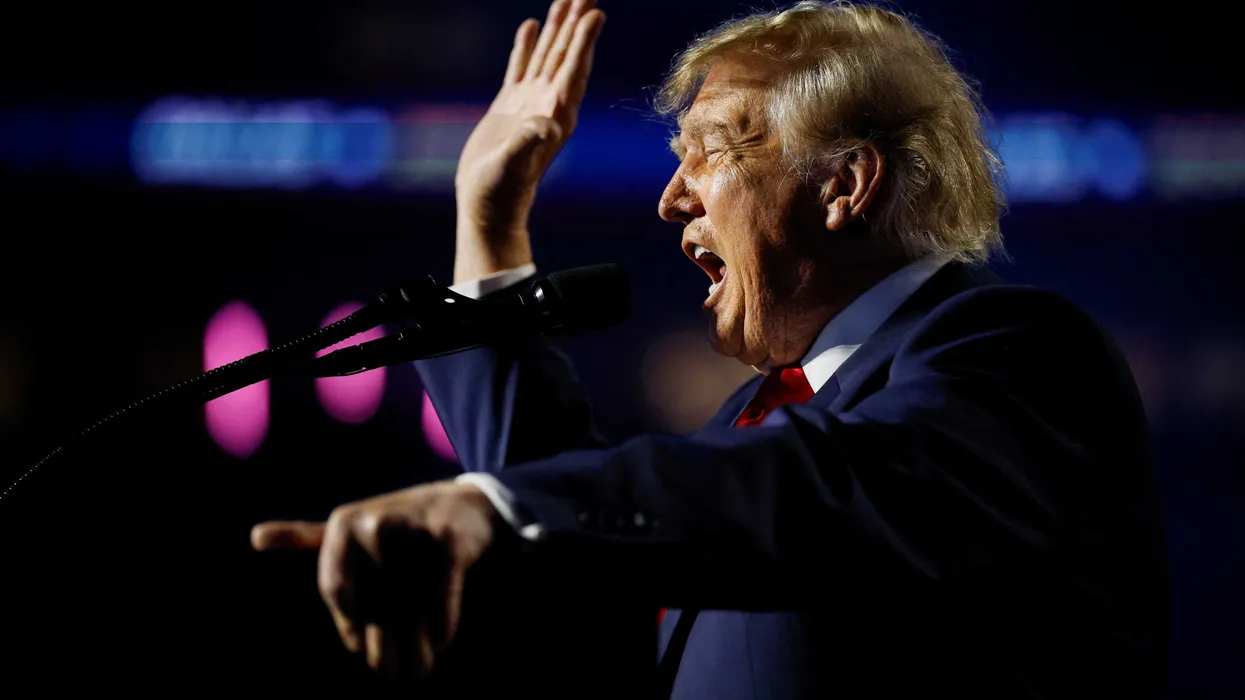
A Wall Street Journal analysis published Friday argues that the MAGA movement has embraced the very “socialist” policies that President Donald Trump uses to attack his Democratic opponents. The analysis, discussed by Alternet, is available at https://www.alternet.org/trump-maga-socialism/.
Greg Ip, the Journal’s chief economic commentator, wrote that MAGA’s “disdain for capitalism and centrism” has made it appear increasingly “socialist.” He cited Vice President JD Vance, who dismissed Milton Friedman during a June interview as irrelevant “in a world where globalized liberalism has become the sort of status quo of American elites.”
Ip said that position is a departure from traditional free-market Republican economics and reflects the “Horseshoe theory,” under which “the similarities between communism and fascism” can overlap until they are almost indistinguishable. Like the “communists” and Democratic socialists whom Trump frequently attacks, Ip wrote, Trump, Vance and other MAGA figures “disdain free markets and globalization while embracing big, coercive government” and “are obsessed with identity.”
According to Ip, these ideas began reshaping the Republican Party in 2016, “with Trump’s populist takeover of the Republican Party.” Andy Laperriere, a policy analyst at Piper Sandler, said, “Trump has re-educated, or mis-educated a lot of Republican voters into thinking everything is rigged. It’s how Bernie Sanders thinks about the economy.” Laperriere added, “The foreigners, the big companies, the system, whatever, is ripping us off.”
Laperriere noted that several ideas originating on the political left now have substantial Republican support. According to polls, limiting drug-price increases to the rate of inflation, banning large investors from buying single-family homes, raising the federal minimum wage to $15 and capping credit-card interest rates at 10 percent each have the support of around 70 percent or more of respondents. These examples illustrate the analysis’s distinction between agreement on individual economic policies and agreement on a broader political program.
Ip also argued that Trump and Senator Bernie Sanders (D-VT), who has long been a standard-bearer for American socialist politics, “have a lot in common.” Ip wrote that “Sanders wanted to nationalize oil companies in the 1970s and proposes 50 percent state ownership of AI companies now. Trump used to call for seizing Middle Eastern oil or being paid to defend it, and just grabbed control of a chunk of Venezuela’s reserves. He has taken stakes in numerous companies and discussed doing the same with AI.”
The Journal analysis also addressed MAGA’s approach to national identity. Ip wrote that “Vance has gone further than Trump in arguing that religion and national origin, not an idea, are the basis of American identity.” Vance told a conservative audience in early 2025, “We cannot rebuild Western civilization, we cannot rebuild the United States of America or Europe, by letting millions and millions of unvetted illegal migrants come into our country.” Ip said Vance has also led the challenge to Republican economic orthodoxy.
Ip argued that MAGA will not merge with Democratic socialism because “they may agree that identity matters, but disagree vehemently on why.” He added that most of Trump’s policies do not resonate beyond the movement’s core supporters. “Outside of his core base, support for Trump’s handling of the economy and immigration have plummeted,” Ip wrote.
Related Wall Street Journal references: and

