Regulator Grants Trump-Linked World Liberty Conditional Bank Charter
Key Takeaways
- •The OCC's conditional preliminary approval would let World Liberty Financial issue its USD1 stablecoin and custody the reserves itself instead of relying on BitGo, but the trust charter is not a full banking licence and forbids accepting deposits or making loans.
- •The approval requires World Liberty to hold at least USD 20 million in capital with at least half in liquid assets, report material business plan changes, appoint a qualified internal audit manager, and meet all preopening requirements, while the OCC may amend, suspend or revoke its commitment at any time.
- •The Trump family holds 38% of World Liberty Financial, and Reuters calculations show more than USD 1.6 billion flowed from the firm to the president and his family through April 2026, including roughly USD 50 million from USD1 alone by the end of June 2026.
- •USD1 has grown into the fourth-largest stablecoin by market capitalisation, with about USD 4 billion in circulation, trailing Tether's USDT and Circle's USDC.
- •After the approval, Senator Elizabeth Warren and Senators Angela Alsobrooks and Ruben Gallego introduced the Ending Presidential Corruption in Banking Act to bar senior government officials from owning or controlling banks, and the OCC has conditionally approved similar trust charters for Circle, Ripple, Paxos, BitGo and Fidelity Digital Assets since December 2025.
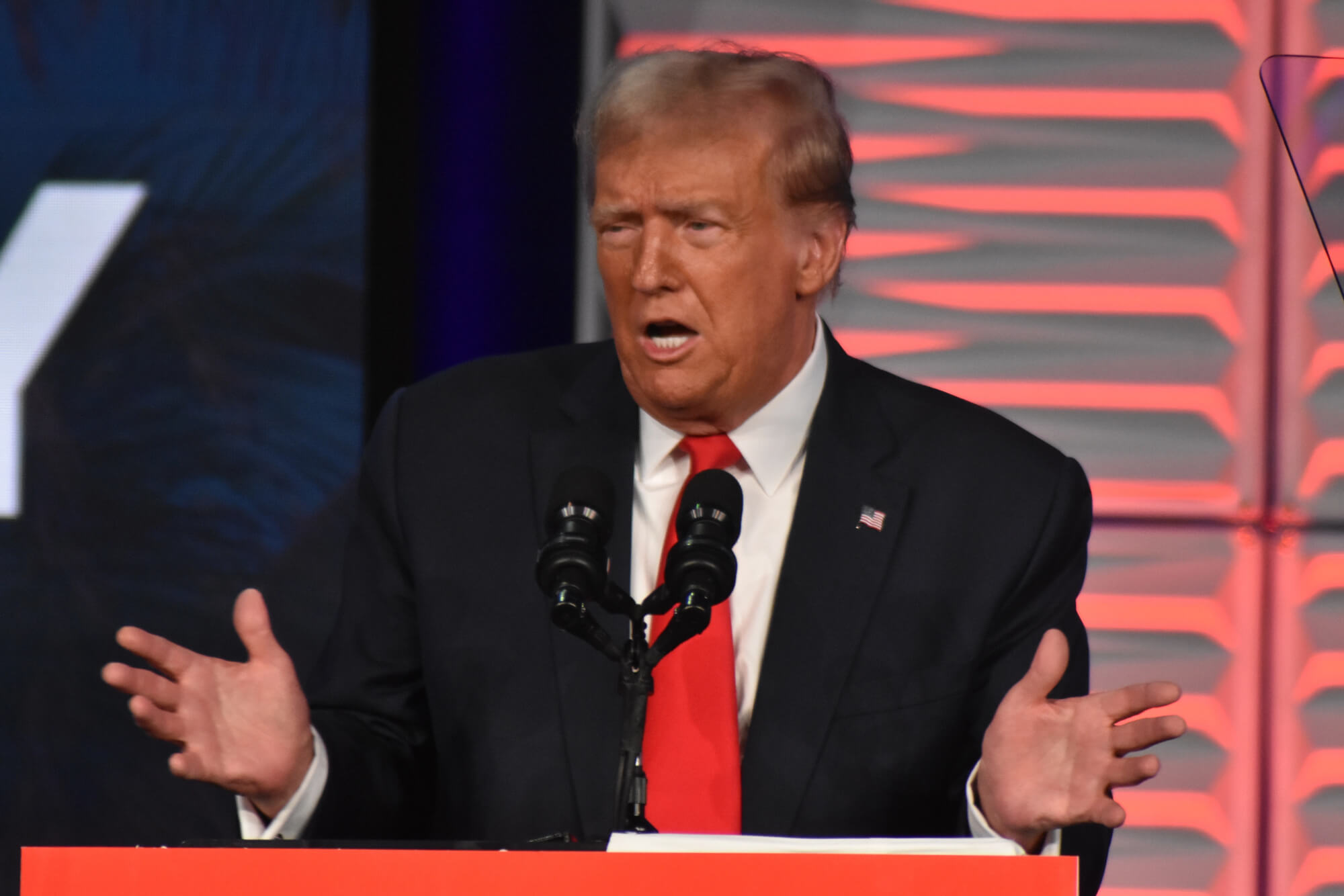
The US banking regulator, the Office of the Comptroller of the Currency (OCC), has granted Trump-linked crypto firm World Liberty Financial conditional preliminary approval for a national trust bank charter. If the firm secures final approval, it could issue its USD1 stablecoin directly and hold the dollar reserves in its own custody.
A national trust charter is not a full banking licence. It allows custody and administration of client assets and can speed up payment settlement, but it does not permit deposit-taking or lending. Donald Trump, his three sons, and the Witkoff family co-founded World Liberty Financial in late 2024. Zach Witkoff, the son of Trump’s special envoy Steve Witkoff, runs the firm. World Liberty first announced USD1 in March 2025, and its charter application was filed in January 2026 through WLTC Holdings LLC. USD1 has since become the fourth-largest stablecoin by market capitalisation, with about USD 4 billion in circulation, trailing the market’s two dominant tokens, Tether’s USDT and Circle’s USDC. The OCC’s decision is not final.
World Liberty plans USD1 custody under its own bank charter
At present, BitGo Bank & Trust handles both the issuance and reserve custody of USD1. Issuance refers to the creation of new USD1 units, while reserve custody refers to the dollar holdings backing the stablecoin. World Liberty intends to take over both functions itself in the future. Reserve custody is commercially significant in its own right: stablecoin issuers typically hold backing assets in cash and short-term US government instruments, and the interest on those holdings is one of the sector’s main revenue sources. The planned trust bank would be based in Bay Harbor Islands, Florida.
Even if approved, the trust bank would not be allowed to accept deposits or make loans. World Liberty has also said it is not seeking federal deposit insurance or a master account at the Federal Reserve.
The preliminary approval comes with conditions. World Liberty must hold at least USD 20 million in capital, with at least half of that in liquid assets. It must also report material changes to its business plan and appoint a qualified internal audit manager. In addition, the company must satisfy all preopening requirements before it can begin operations. The OCC may amend, suspend or revoke its commitment at any time. As a result, the approval is an interim step rather than an operating licence.
Zach Witkoff, president and chairman of World Liberty Trust, said the approval brings issuance, custody and reserve management under one federal supervisory framework.
"A national trust bank brings USD1 issuance, custody and reserve management together under OCC supervision, examined by the same standards that have governed banks for generations. We welcome the ongoing, multi-year examination by federal regulators." - Zach Witkoff, President and Chairman, World Liberty Trust
Trump family benefits directly from the approval
The Trump family holds 38% of World Liberty Financial. That stake is held in an entity sponsored by Donald Trump Jr. and other family members. Eric Trump, the president’s son, also signed a passivity agreement as president of a family investment vehicle, pledging not to influence the bank’s business. The agreement does not alter the ownership structure.
According to Reuters calculations, more than USD 1.6 billion flowed from World Liberty to the president and his family through April 2026. Reuters said the family earned roughly USD 50 million from USD1 alone by the end of June 2026. The larger figure covers the company’s overall business, while the USD 50 million refers only to the stablecoin. The charter approval concerns precisely that business segment. The family’s crypto interests extend beyond World Liberty, from a memecoin launched in January 2025 to a bitcoin mining venture backed by the president’s sons.
The decision has also drawn political criticism because of the OCC’s structure. The agency sits within the US Treasury and is led by a single comptroller, unlike other US financial regulators that operate with bipartisan boards. Critics say that structure raises questions about independence. The OCC said Comptroller Jonathan Gould and his team acted "consistent with their legal duties and ethical obligations," Reuters quoted from the approval letter.
OCC opens trust charter path for more stablecoin issuers
World Liberty is not the first stablecoin-related firm to receive such an approval. In December 2025, the OCC under Comptroller Gould conditionally approved five similar applications, including those from Circle, Ripple, Paxos, BitGo and Fidelity Digital Assets. A commitment for Crypto.com followed later. BitGo, the current custodian for USD1, is therefore pursuing the same licence that its client is now seeking.
Circle received final approval in July 2026. Ripple still holds only a conditional commitment and must meet capital conditions by mid-December 2026, with operations to begin by June 2027. World Liberty received its preliminary approval seven months after filing its application.
The crypto industry has pushed strongly for this licence model because a single federal charter can allow nationwide custody of client assets and make it easier to serve institutional customers. The push follows the GENIUS Act, signed into law in July 2025, which created the first US federal regulatory framework for payment stablecoins and requires coins to be issued by federally or state-permitted firms backed by liquid reserves. As more firms apply, the OCC’s role in stablecoin supervision continues to expand.
Democratic senators introduce bill against conflicts of interest
Resistance has come from the Senate. In February 2026, two Democratic members of the Senate Banking Committee called on Treasury Secretary Scott Bessent to review the reported USD 500 million stake in World Liberty Financial, citing national security concerns. Reports linked that stake to the national security adviser of the United Arab Emirates. The request went to the Treasury Department, which oversees the OCC.
Later that month, during a congressional hearing, Democrats asked Comptroller Gould to provide the unredacted application confidentially. The public version did not include complete details on the company’s capital structure or business plan. After the approval, Senator Elizabeth Warren, along with Senators Angela Alsobrooks and Ruben Gallego, introduced the "Ending Presidential Corruption in Banking Act," which would bar senior government officials from owning or controlling banks. The proposal is aimed directly at the World Liberty structure, but the preliminary approval remains in place. As legislation, the bill would need to pass both chambers of Congress and be signed into law to take effect.
Leadership of the planned trust bank remains within the orbit of the founding families. Robert Witkoff, brother of Steve Witkoff and a former insurance executive, is set to become a director. Scott Alper, president of the Witkoff family’s real estate business, is also slated to join the board. Both come from the insurance and property sectors, while Zach Witkoff leads the parent company World Liberty Financial.
Whether the trust bank actually begins operations will depend on whether World Liberty satisfies the OCC’s conditions.

