World Bank Taps Circle and Citi to Test USDC Stablecoin Payments for Development Funds
Key Takeaways
- •The World Bank Group is collaborating with Circle and Citi to test whether USDC stablecoin payment rails could improve the disbursement of development funds.
- •The initiative builds on FundsChain, the World Bank's blockchain platform that has already onboarded more than 350 projects across 96 countries to its digital ledgers.
- •The initial model would be intermediated and interoperable, restricted to borrower countries where digital assets are permitted, with additional banks expected to potentially join over time.
- •No completed rollout has been announced, and USDC has not replaced the existing correspondent banking system, in which cross-border payments pass sequentially through intermediary banks and incur added fees and delays.
- •World Bank President Ajay Banga, Circle CEO Jeremy Allaire, and Citi's Shahmir Khaliq all framed the effort as enabling faster, continuous, around-the-clock movement of critical funds to beneficiaries.
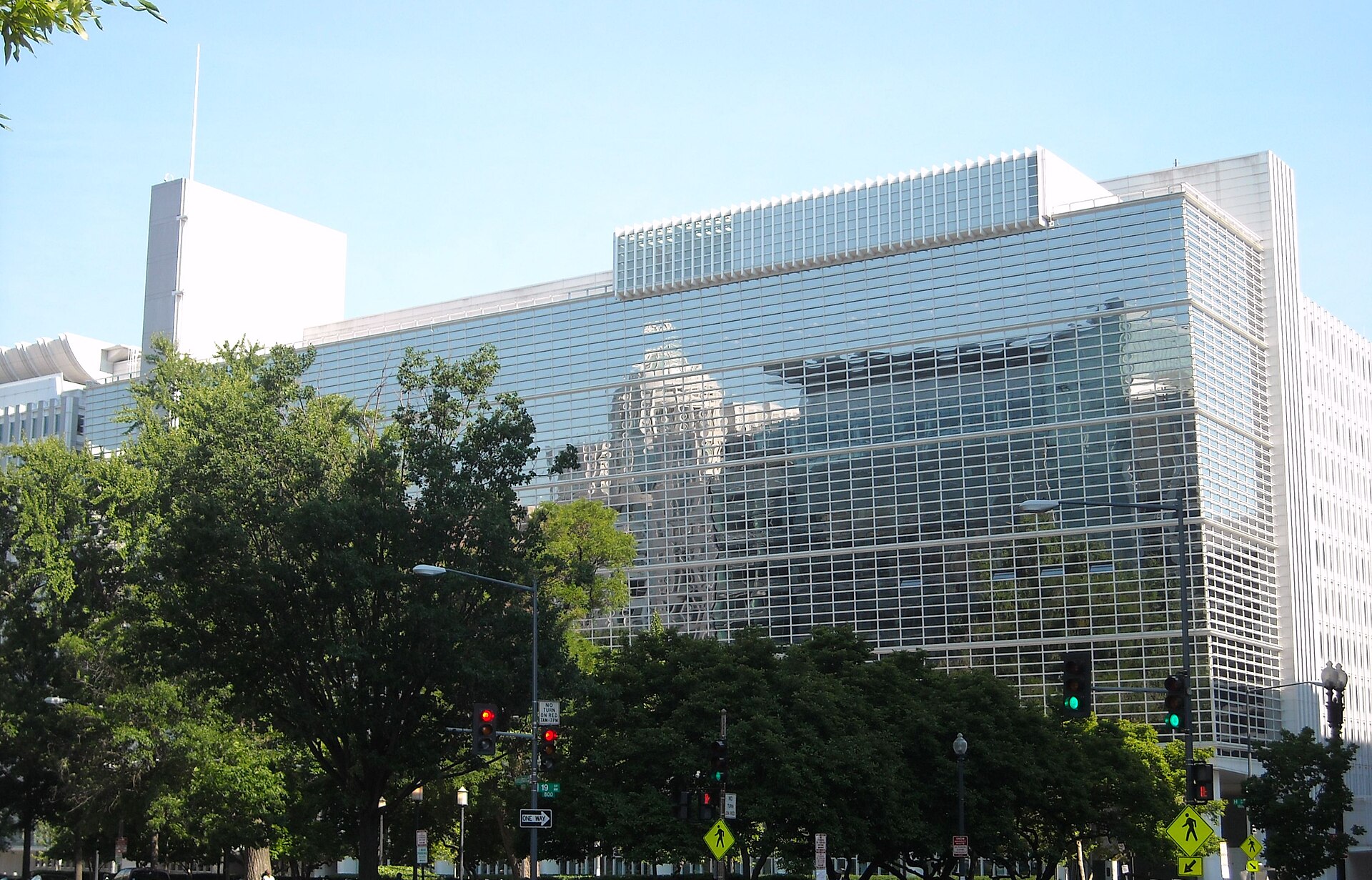
The World Bank Group is exploring how Circle's USDC stablecoin and blockchain-based payment rails could support the disbursement of development funds. The initiative will test whether regulated, dollar-denominated stablecoins can make global fund transfers faster, cheaper, and more transparent. USDC is issued by Circle and designed to hold a stable value against the US dollar, which is what allows it to function as a payment instrument rather than a speculative asset.
According to the World Bank Group, the exploration will be carried out with Circle and Citi. Under the proposed arrangement, Citi would provide connections to established banking rails, while Circle would supply the infrastructure to mint and settle funds in USDC. The test will examine how those services could work alongside, or improve upon, the institution's existing correspondent banking system, which routes international payments through intermediary banks. In correspondent banking, a single cross-border payment is handled sequentially by several institutions, and each handoff adds processing steps, fees, and waiting time to the transfer.
The World Bank Group said the arrangement is intended to explore improvements to the movement of development funds. World Bank President Ajay Banga said the initiative is about making "the financial plumbing of development work better for the people who need it most."
Built on the FundsChain Platform
The stablecoin tests build on FundsChain, the World Bank Group's blockchain platform designed to make fund disbursements more traceable. More than 350 projects across 96 countries are already onboarded to its digital ledgers, and the platform allows participants in a project to see how money is being spent. The new exploration will assess whether regulated stablecoins and established banking connections could add to, or improve, that existing distribution system.
Scope of the Exploration
The stablecoin exploration would initially focus on an intermediated, interoperable model. Its use would be limited to borrower countries where digital assets are permitted, with plans to involve other banks over time. No completed rollout has been announced, and USDC has not replaced correspondent banking for these payments. The initiative is framed as an exploration of how such a system could operate, rather than a deployment already in use. The clearest indicators of progress will be observable rather than announced in advance: whether additional banks join the arrangement, and whether any portion of the disbursement flow moves from testing to live use in jurisdictions that permit digital assets.
Banga said faster, cheaper money movement could mean "a health clinic gets built on time" or "a farmer gets paid before the harvest season ends." Those comments describe the intended benefits of the exploration, not reported outcomes from a test.
Industry Reaction
Circle CEO Jeremy Allaire described development finance as one of the most important applications for his company's technology. Money moving "at the speed of the internet shouldn't be reserved for the world's biggest banks and corporations," he said.
Shahmir Khaliq of Citi said the collaboration would deliver "24/7 capabilities at scale so that critical funds move in real time." That reference to continuous availability underscores the contrast with correspondent banking, where transfers settle according to the business hours and cut-off times of each intermediary in the chain.
Broader Institutional Context
The initiative reflects growing interest among financial institutions in blockchain-based payment infrastructure. Reporting from MERGE Madrid described banks discussing stablecoin settlement and digital asset systems, while separate coverage has examined how banks are moving customer deposits onto blockchain payment systems through tokenized deposits. Against that backdrop, the World Bank Group's stated test is narrower: whether stablecoin payment rails could work with its development-funds process.
The institution's initial model would remain intermediated and interoperable, limited to jurisdictions where digital assets are permitted, with other banks potentially joining over time. Those conditions frame the next step as an exploration of how the system could operate, rather than a claim that the model is already in use.

