Wizz Air profit wiped out by rising fuel prices
Key Takeaways
- •Wizz Air swung to a €198.2 million net loss in the first quarter, compared to a €38.4 million profit a year earlier, primarily due to elevated jet fuel costs linked to Middle East conflict.
- •Despite carrying 25.1% more passengers and growing revenue 5.5% to €1.507 billion, revenue per available seat kilometre declined 8.1%, indicating that fares weakened and margins came under pressure.
- •The airline is reallocating capacity toward short-haul European leisure destinations such as Spain and has already halted operations in Vienna and exited Abu Dhabi last year.
- •Grounded aircraft tied to Pratt & Whitney geared turbofan engine inspections decreased from 41 at the end of last year to 27 as of 30 June, with the full fleet expected to resume operations by the end of 2027.
- •Wizz Air shares fell 4.9% to 1,089.9p following the results, leaving the stock down 16.3% year to date.
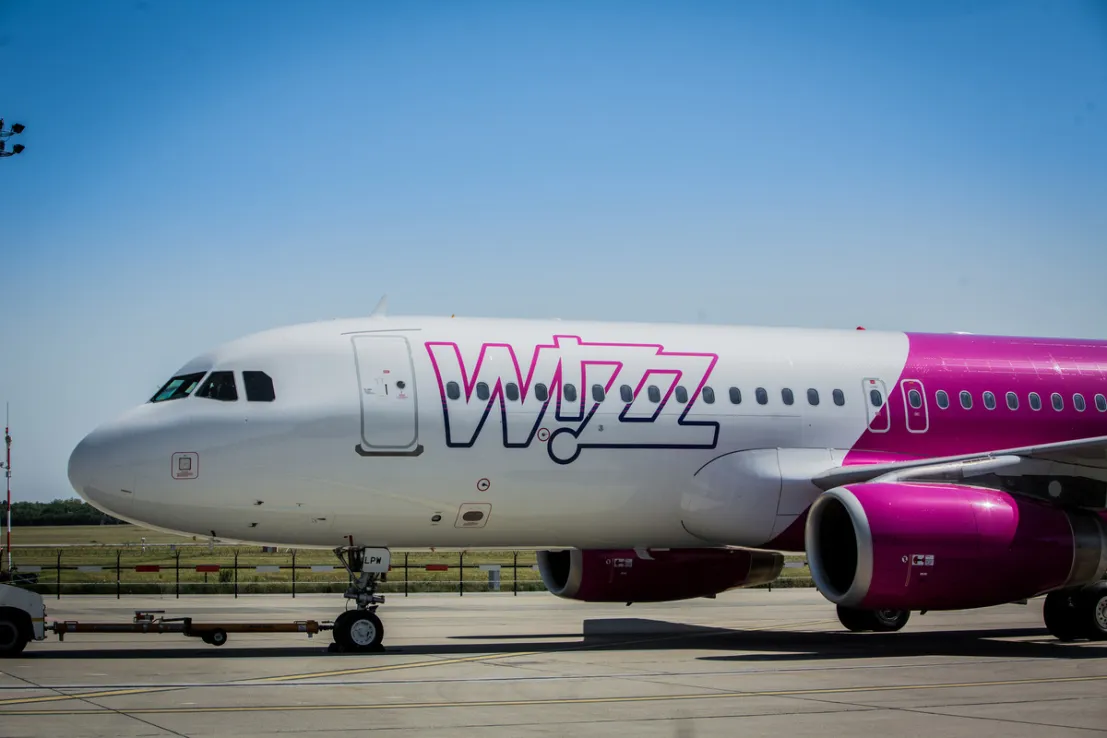
Soaring jet fuel prices driven by the conflict in the Middle East caused a sharp fall in Wizz Air's profit.
The increased fuel costs and “extreme volatility” linked to the war in Iran pushed the budget airline to a €198.2m net loss, a marked reversal from the €38.4m profit it posted a year earlier. Jet fuel typically ranks among the largest operating expenses for low-cost carriers, making them especially exposed to energy price swings.
The FTSE 250 group said total revenue rose 5.5 per cent to €1,507.4m, supported by a 25.1 per cent increase in passengers. That lifted passenger numbers to 21.2m. However, revenue per available seat kilometre fell 8.1 per cent as weaker fares weighed on profitability. The decline in this key industry metric signals that Wizz Air is selling more seats at lower unit revenue, a dynamic that compresses margins even when headline traffic grows.
Garry White, chief investment commentator at Raymond James, said: “Wizz Air’s first-quarter results were disappointing.
“Despite strong growth in passenger numbers and revenue…higher fuel costs and weaker fares squeezed yields, highlighting how cost pressures continue to offset the benefits of capacity growth.”
Shares fell 4.9 per cent to 1,089.9p. The stock is down 16.3 per cent year to date.
Has there been a summer recovery?
The airline expects industry challenges to continue, and has been reallocating fleet capacity towards popular European destinations such as Spain rather than long-haul flights to the Middle East. The shift reflects a broader trend among European budget carriers of concentrating on short-haul leisure routes, where demand has proven more resilient.
The group has already halted operations in Vienna and exited Abu Dhabi last year.
Jozsef Varadi, chief executive officer, said: “This supports higher sector productivity, creates more attractive schedules for customers, improves network integrity, and delivers incremental growth at a lower cost.”
Aircraft availability has also improved after disruption caused by the grounding of fleets affected by engine and powder metal issues. The grounding relates to inspections of Pratt & Whitney geared turbofan engines used on Airbus A320neo-family jets, an issue that has affected multiple airlines globally. As of 30 June, 27 aircraft remained grounded, down from 41 at the end of last year.
The affected fleet is expected to be fully operating by the end of the 2027 calendar year, though Alex Pugh, analyst at Freetrade, said the issue is “still hurting Wizz” despite the progress made.
Analysts are now asking whether “strong summer demand” can “help drive recovery”.
Pugh said: “There are signs of punctuality and completion rates improving even in a difficult quarter. The ultra-budget airline is expanding fast, but the market will want proof bigger means better, not just more seats sold at thinner returns.”
