Wisconsin Budget Woes Take Center Stage in 2026 Governor's Race
Key Takeaways
- •Wisconsin is reportedly experiencing a $46 million budget shortfall, a figure drawn from a CryptoBriefing report that cited a social media post.
- •The state's fiscal challenges mirror those of Milwaukee County, which has faced long-running structural budget deficits and recurring funding pressures.
- •The 2026 Wisconsin governor's race pits Democratic Milwaukee County Executive David Crowley against Republican U.S. Rep. Tom Tiffany, with the general election scheduled for November 3, 2026.
- •Tiffany has made Milwaukee County's fiscal difficulties a core campaign argument, contending they reflect on Democratic leadership in the state.
- •Prediction markets currently assign an 80.5% probability to a Democratic victory, though the emerging fiscal narrative could lead to future adjustments in those odds.
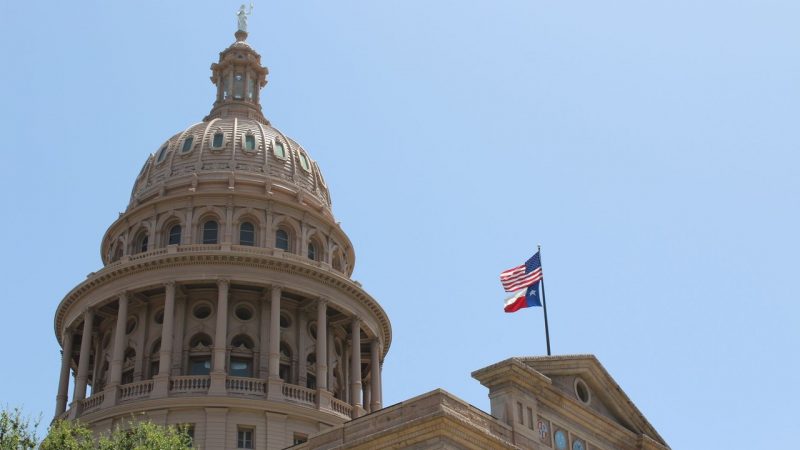
Wisconsin is reportedly contending with financial challenges that mirror those long faced by Milwaukee County, including tax increases and a significant budget deficit, according to a report from CryptoBriefing. Citing a social media post, the report states that the state is experiencing a budget shortfall of $46 million, a figure that has drawn direct parallels to Milwaukee County's strained fiscal situation.
The financial narrative has moved to the center of the 2026 Wisconsin governor's race, in which Democratic Milwaukee County Executive David Crowley is competing against Republican U.S. Rep. Tom Tiffany. The general election is scheduled for November 3, 2026, in a state that has long ranked among the most closely contested battlegrounds in U.S. politics. Because the governor's office carries substantial influence over state budgeting and spending priorities, the fiscal debate holds stakes that extend beyond campaign rhetoric into the state's actual policy direction.
Tiffany, who has represented Wisconsin's 7th Congressional District in the U.S. House of Representatives since 2020, has made Milwaukee County's fiscal difficulties a critical campaign point. The county has faced long-running structural budget deficits, meaning persistent gaps between recurring revenues and spending obligations, as well as recurring funding pressures in recent years, making its finances a frequent subject of state political debate. Tiffany has argued that the county's troubles reflect on Democratic leadership in the state, a line of attack that could shape voters' perceptions as the campaign progresses.
Crowley has served as Milwaukee County Executive since 2020, overseeing the county through many of the fiscal pressures his opponent now cites on the campaign trail.
Market pricing currently reflects an 80.5% likelihood of a Democratic victory in the race, although the emerging fiscal narrative may influence future adjustments to those odds. Prediction markets, which allow participants to trade contracts tied to election outcomes, are closely followed as real-time barometers of candidate prospects. Unlike traditional opinion polls, which capture voter sentiment at a single point in time, prediction market prices update continuously as traders react to new developments, from campaign announcements to fiscal news. According to the report, the fiscal concerns may serve as a key indicator in the ongoing contest between Crowley and Tiffany.
What to Watch
Observers will be monitoring how the financial narrative influences voter sentiment as the 2026 gubernatorial election approaches. Endorsements, fundraising dynamics, and polling data are expected to play a crucial role in shaping the odds. In addition, any significant changes in Milwaukee County's financial management could further affect market perceptions of the Democratic candidate's prospects, as could any state-level developments tied to the reported $46 million shortfall.

