Winklevoss Twins Donated More Than $10 Million From Bitcoin Sale to Trump Super PAC
Key Takeaways
- •Tyler and Cameron Winklevoss each contributed more than $5 million to MAGA Inc. after liquidating Bitcoin.
- •The donations were disclosed about one month after the CFTC moved to vacate its $5 million penalty against Gemini.
- •The twins previously donated 30.94 Bitcoin, worth more than $2 million at the time, to President Trump’s 2024 campaign.
- •MAGA Inc. has raised more than $400 million ahead of November’s midterm elections.
- •Gemini shares rose more than 20% in after-hours trading in May after the twins announced a $100 million Bitcoin-funded investment in the company.
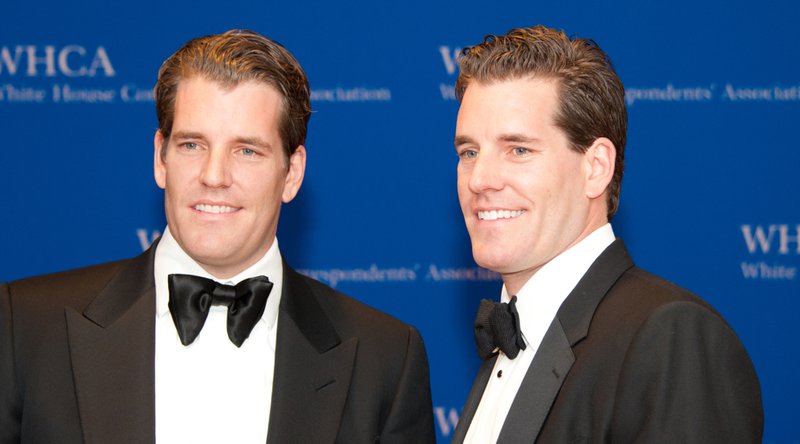
Crypto entrepreneurs Tyler and Cameron Winklevoss donated more than $10 million to MAGA Inc., an American super PAC supporting President Donald Trump, after liquidating Bitcoin, according to a Tuesday filing.
The filing shows that each twin, who co-founded the public crypto exchange Gemini, contributed more than $5 million. The donation was reported about one month after the U.S. Commodity Futures Trading Commission asked a judge to vacate the agency's $5 million penalty against Gemini, part of a broader pullback in crypto enforcement under the Trump Administration.
The Winklevoss twins previously announced in 2024 that they had donated 30.94 Bitcoin, worth more than $2 million at the time, to President Trump's campaign. They said the contribution would “put an end to the Biden Administration's war on crypto.” The donations place the twins among the most prominent individual crypto-industry backers of Trump's political operation, reflecting a wider surge in digital-asset sector spending on U.S. elections as the industry pushes for clearer rules and a friendlier regulatory environment.
During the Biden Administration, regulators pursued enforcement actions against crypto exchanges, including Gemini. Since President Trump took office, a number of lawsuits have been scrapped.
MAGA Inc. has raised more than $400 million in fresh cash ahead of November's midterm elections, where crypto policy is expected to remain a live issue as lawmakers debate frameworks for digital-asset oversight.
The Winklevoss twins are early Bitcoin backers
Tyler and Cameron Winklevoss, who claimed they played a role in the creation of Facebook, founded the crypto exchange Gemini in 2014 after becoming early supporters of Bitcoin.
Crypto industry observers have long speculated that the twins are among the largest Bitcoin holders in the sector. They have also repeatedly praised President Trump's pro-Bitcoin and pro-business positions, saying those policies are important for the future of the U.S. crypto industry.
Tyler Winklevoss in particular has stressed the need for a political shift, arguing that it is necessary to prevent additional harm to the industry and restore conditions that support innovation and economic growth.
“President Donald J. Trump is the pro-Bitcoin, pro-crypto, and pro-business choice,” he said in 2024. “This is not even remotely open for debate. Anyone who tells you otherwise is severely misinformed, delusional, or not telling the truth.”
In May, Gemini shares rose more than 20% in after-hours trading after the Winklevoss twins announced a $100 million Bitcoin-funded investment in the company. The announcement came alongside first-quarter earnings that showed 42% year-over-year revenue growth.
Gemini's quarterly results included a narrowed net loss of $109 million and a sharp increase in services and credit card revenue. Trading volumes, however, had declined from a year earlier after Bitcoin's drop from its October peak.
The share rally followed months of turmoil at Gemini, including layoffs, executive departures, shareholder lawsuits, and a stock price that had fallen more than 89% from its IPO high. Those pressures were partly offset by a CFTC derivatives license granted in April.
This article is based on a Bitcoin Magazine report written by Mathew Di Salvo.

