The Cultural Myth That Keeps Many Voters Believing Trump Is Honest: NYT Columnist
Key Takeaways
- •New York Times columnist Jamelle Bouie says an insidious cultural myth explains why many voters still regard President Donald Trump as honest despite extensive evidence of falsehoods.
- •A New York Times focus group respondent, a 50-year-old independent identified as Sebastian, said he voted for Trump because he "spoke the truth," though he now doubts the promised economic fixes will materialize.
- •Bouie argues that Trump's open bigotry codes to some voters as a willingness to state truths about the world rather than as prejudice.
- •He links this perception to a cultural archetype of the "lovable bigot," citing television figures such as Archie Bunker and Tony Soprano.
- •Bouie claims that for these voters, conventional politicians' judicious language reads as dishonesty or concealment, while bluntness is measured as candor regardless of accuracy.
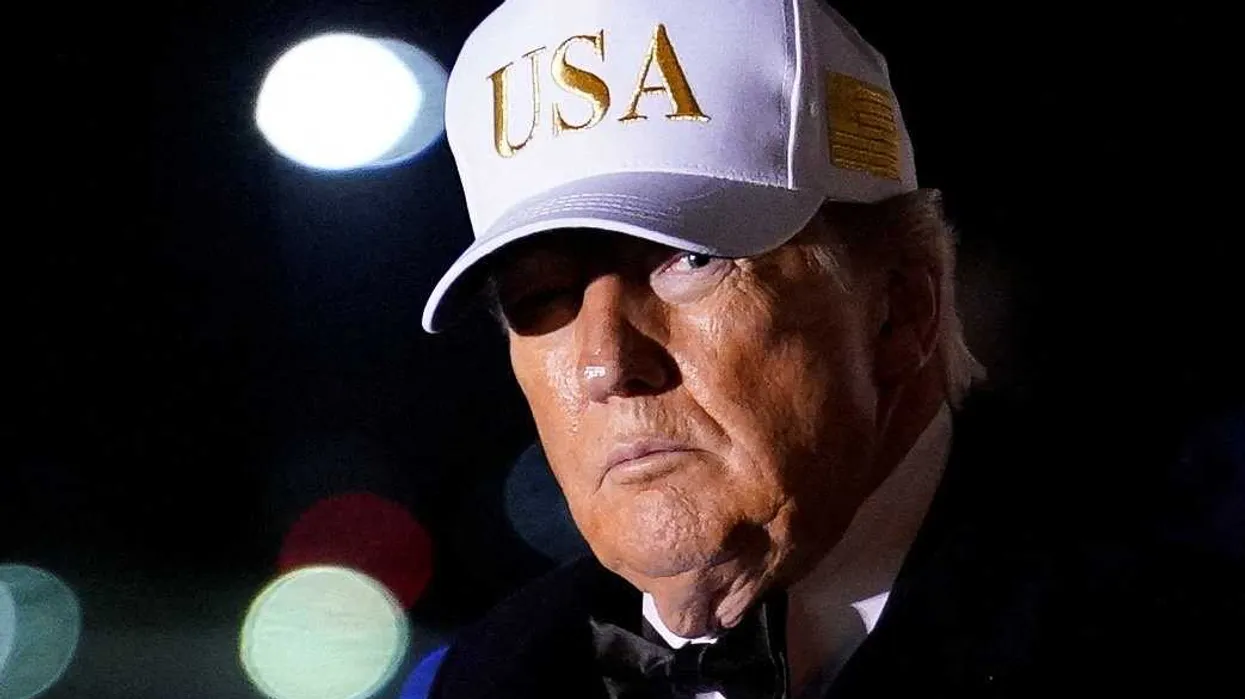
A substantial share of voters continues to regard President Donald Trump as honest, even in the face of extensive evidence of his falsehoods. According to New York Times columnist Jamelle Bouie, the explanation lies in an insidious myth embedded in American culture. The disconnect matters because, in Bouie's telling, it explains why the extensive record of falsehoods has not dislodged these voters' perception of candor.
In the latest installment of his "Takes" video series posted to YouTube, Bouie examined recent findings from a New York Times focus group that spoke with disaffected past Trump voters. One response, from a 50-year-old white independent identified as "Sebastian," struck him as "genuinely interesting" and "so illustrative of a dynamic that is very common in voting." The exchange is revealing because it holds two ideas at once: a voter disappointed by Trump's performance in office who nonetheless still credits him as a truth teller.
"I was hoping he would learn from the first time," the respondent said. "All politicians lie and tell you what you want to hear, but I voted for him because he was something different. He spoke the truth; he spoke what was on his mind. That's what appealed the first time. I was hoping the second time around he learned something from his mistakes and learned something from, 'OK, now I know how to really fix this, and it's not going to be the same old, same old.' I felt like I was just picking the lesser of two evils. I went with the one that I was in line with more as far as economics, and was thinking that he would fix those, which doesn't seem to be the case."
Bouie focused in particular on Sebastian's characterization of Trump as a "truth teller" — notion that might strike many observers as "insane." As he explained, Trump's open bigotry has done much to persuade a certain subset of Americans that he is being candid with them.
"Trump is the definition of a guy who has a very loose relationship with anything like the truth," Bouie said. "But this is where Trump's bigotry comes in; this is where his racism comes in."
In Bouie's view, many people accept the racist things Trump says as true because they themselves perceive those ideas as true. "Trump's willingness to say them, and say them openly, does not code to many voters as him being a bigot," he said. "It codes to them as him being someone willing to say what is truthful about the world."
He pointed as well to a familiar cultural archetype: "Moreover, we have this cultural archetype of the kind of lovable bigot, even the lovable outer borough New York bigot: Archie Bunker is the most famous example of this. Tony Soprano is a version of this. This exists in our cultural landscape and makes a guy like Trump quite legible. They don't see him someone who holds genuine racial animus. They see him as a guy who's willing to say what is on his mind, willing to say what he believes is true and he ultimately doesn't really mean it like that." Bunker, the blunt-spoken patriarch of the 1970s CBS sitcom All in the Family, and Soprano, the New Jersey mob boss at the center of the HBO drama The Sopranos, became two of the most recognizable figures in American television — characters whose open bigotry was staged as mainstream entertainment. In Bouie's telling, that archetype has deep enough roots that a blunt-talking New Yorker who says outrageous things reads as familiar rather than as false.
Bouie further argued that, for these same voters, the effort other politicians put into sounding "more judicious" and measured comes across as dishonesty and an attempt to hide things — even though, he noted, most politicians are in fact doing their best to be as honest as they can be.
"I would say that this gets things completely a—— backwards, but it's how I believe a lot of voters approach these things," he continued. "One way to think of all this is that Trump's political skill ... is that he can be many things to many people. People project onto him what they want to see and then they act accordingly, and I think what we're witnessing now is the extent to which a lot of voters, having projected something onto him that they want to see, are taken aback, shocked, appalled by the fact that that is not the reality, that that is not the truth, that the Trump that they have imagined is very different than the Trump who exists in reality."
Put together, Bouie's argument amounts to this: for the voters he describes, honesty is measured by willingness rather than accuracy. Bluntness about things they already believe reads as truth, while the more judicious language of conventional politicians reads as concealment — which is why, in this account, documented falsehoods and perceived candor can sit side by side. Sebastian's bottom line is where the strands meet: a voter who still describes Trump as the candidate who "spoke the truth," yet concedes that the economic fixes he voted for "doesn't seem to be the case."
Source: Alternet — The insidious reason people still think Trump is honest: NYT columnist

