How Pricing Pressure and Competition Ended Uber's 12-Year Run in Nigeria
Key Takeaways
- •Uber officially shut down its Nigeria operations, stating the country and Uganda are no longer priority markets under its evolving investment focus.
- •Uber entered Nigeria in 2014 as a premium service but lost market share by refusing to match the cheaper, fare-negotiation models introduced by rivals like Bolt and inDrive.
- •Uber's 25% commission was the highest in the Nigerian market, compounding driver hardship as fuel costs rose over 500% and other operating expenses climbed sharply.
- •Declining purchasing power among Nigerians, driven by naira depreciation and persistent inflation, pushed riders toward cheaper apps that Uber declined to emulate.
- •With Uber gone, the Nigerian e-hailing market is now primarily contested by Bolt and inDrive, while drivers and partners such as Moove adjust to the new landscape.
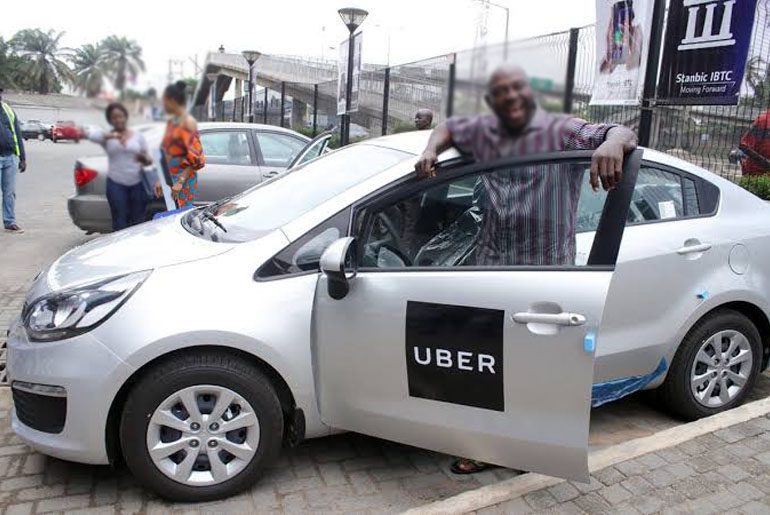
Uber, the first ride-hailing company to operate in Nigeria, has shut down its services in the country. News of the exit, which initially circulated as a rumour, spread rapidly and left many observers asking the central question: why? In an official message to the press, the company attempted to provide an answer.
"After careful consideration, we have made the difficult decision to discontinue operations in Nigeria as part of evolving business priorities and investment focus across the continent," the company said.
In effect, Uber stated that Nigeria — and Uganda — are no longer priority markets. What it did not explain was how it arrived at that conclusion. However, a close look at the e-hailing sector shows the decision rested on several critical factors.
Competition and declining purchasing power drove Uber out
Uber's announcement may have appeared sudden, but the decline behind it was a gradual process. The company entered the Nigerian market in 2014 as a luxury taxi service and never truly departed from that positioning. Given the high standards it set, the only Uber-compliant vehicles at the time were SUVs, limousines, and the latest-model saloon cars. Such a luxury service commanded luxury pay, and the model performed reasonably well in that period.
Taxify entered in 2016 and liberalised the entire taxi-hailing business, effectively redefining it as taxi-sharing while accepting lower-class vehicles. The market began shifting towards Taxify, and drivers shifted with it. Rather than revise its own model to compete at that level, Uber chose to subsidise the problem with cash, which created further difficulties. When that approach failed, the company finally decided to compete on price, and the market stabilised for a time. The service nonetheless remained premium, with distinct classes and standards that not everyone could afford. Taxify itself would later rebrand as Bolt in 2019, and it is Bolt that remains one of Uber's principal challengers in the market today.
Then inDriver — formerly inDriver — rebranded as inDrive in 2022 and introduced a model that redefined the competition. It gave passengers the power to negotiate fares while offering the same ride to several drivers at once. This meant that no matter how low a passenger bargained, there was always a driver desperate enough to accept the fare. Ride prices consequently crashed, to the delight of passengers, who flocked to the app and handed inDrive a significant share of the market.
A further consequence of the cheaper fares was an influx of battered, rickety cars that fell short of the standards the e-hailing industry had set. It became typical to take rides in vehicles without air conditioning. When asked, drivers operating on inDrive blamed the app's low fares, which had turned the service from a luxury into a necessity. To compete, Bolt adjusted its fares and introduced its own version of fare bidding, triggering a price war with inDrive. Uber, by contrast, maintained its standard fare and its 25% commission — the highest in the market.
While Uber's refusal to compete on the terms set by its rivals was arguably honourable, it nonetheless resulted in a massive loss of market share. The company had bet on quality rides, hoping that a segment of the market still wanted them. It failed, however, to account for the declining purchasing power of the majority of Nigerians — a decline that has accompanied the sharp depreciation of the naira and persistently high inflation in recent years, which has squeezed household budgets across the country. As riders migrated to cheaper apps that suited their diminished pockets, drivers followed the market, leaving Uber with a promise of quality rides that nobody was willing to pay for.
Throughout this period, operating costs for drivers were climbing. Fuel costs rose by over 500 per cent, while spare parts, data, and other essentials rose sharply, forcing drivers to scramble to make ends meet. Although this was an industry-wide problem, Uber was hit the hardest. Its commission meant drivers kept less of what they earned — an issue that grew moot as the market moved on. Even drivers on UberGo, the company's cheapest service, offered in partnership with Moove, complained bitterly about the scarcity of rides and pleaded for permission to use other apps.
"There is no work on Uber Go, and I don't know what is happening," one driver, Lanre, said. "I have deleted my app and reinstalled it; I have logged out and logged in, but there are still no requests. There is no work on Uber Go, and I don't know what is happening," he lamented.
Uber refused to compete on the terms dictated by its competitors. It did not recognise that the Nigerian market was becoming too poor to afford its services, while its drivers — facing skyrocketing operating costs — needed urgent revenue. With Uber gone, the Nigerian e-hailing market is now contested primarily by Bolt and inDrive, while drivers and partners such as Moove adjust to a market without the platform that pioneered it.
Related coverage: Following Uber Nigeria's exit, Moove permits drivers to operate on Bolt and inDrive

