Analysis: The Strategic Reasons Trump Could Decide to Walk Away
Key Takeaways
- •The Alternet analysis identifies exhaustion, described as accelerating physical and mental decline, as a foremost reason Trump might consider resigning before his term ends.
- •More than 30 prominent mental health professionals and physicians documented Trump's deterioration in a statement read into the Congressional Record on April 30 by Senators Sheldon Whitehouse and Jack Reed.
- •Under the Constitution's 25th Amendment, a resignation would immediately make Vice President JD Vance president without a new national election, potentially preserving administrative continuity and loyalty to Trump.
- •Trump's 2025 financial filings disclosed profits of $1.1 million an hour over a 40-hour week, income the analysis expects to grow in 2026 through what it calls a captured IRS.
- •The analysis parallels a potential resignation to Richard Nixon's 1974 departure, which followed the erosion of his Republican base of protection in Congress.
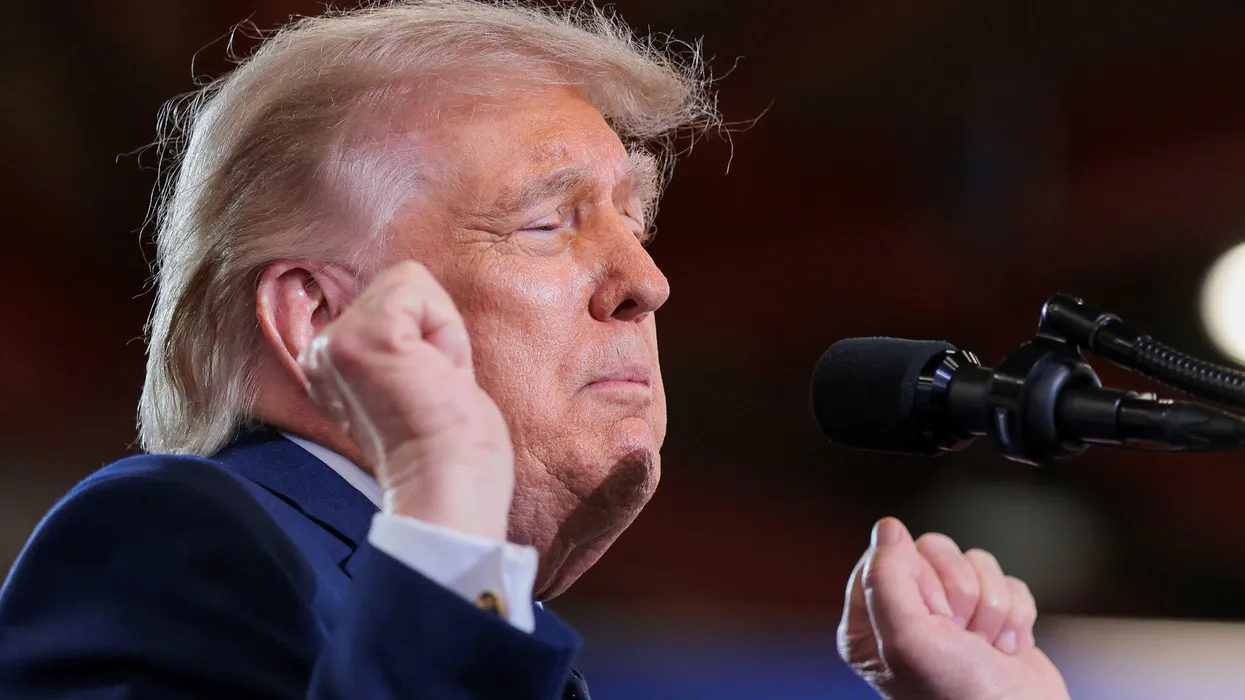
An analysis published by Alternet examines the reasons President Donald Trump might choose to resign before his term ends, balancing substantial incentives to stay in office against mounting personal, political, and strategic pressures that could push him toward the exit.
The Incentives to Stay
According to the piece, his reasons to serve out the term are numerous: the pomp and ceremony of the presidency, what the author describes as daily vengeance, judicial immunity, Democratic leaders who for now oppose impeachment (citing an "Open Letter to Representative Hakeem Jeffries," dated August 31, 2026), and the chance to immensely enrich himself through the punishing and rewarding powers of the office.
Those rewards, the analysis argues, are insatiable. Trump—a businessman it describes as riven with debts and losses—disclosed in his 2025 financial filings a profit of $1.1 million an hour over a 40-hour week. The author adds that Trump is likely to reap more dollars in 2026, income he has ensured would be non-taxable through what the piece calls a captured Internal Revenue Service, citing the report "DOJ Settlement 'Forever' Bars IRS Trump Audits, Sparks Backlash."
Reasons to Walk Away
Foremost among the counterweights, the analysis asserts, is exhaustion. Trump is described as physically and mentally depleted, declining at an accelerating rate and worrying his physicians and family. More than 30 prominent mental health professionals—some holding expert witness credentials in courts—along with physicians have observed his deterioration in a disciplined statement read into the Congressional Record on April 30 by Sens. Sheldon Whitehouse (D-RI) and Jack Reed (D-RI). The piece also cites "Midterm Countdown, 33 Days to Go: Language from Our Leader" by James Fallows. Trump, it says, yearns for more rest and golf and fewer grueling travel demands—and could frame a departure as handing America's future to a younger generation of Republicans led by a new president, JD Vance. Under the Constitution's 25th Amendment, a president's resignation immediately makes the vice president the president, so such a handoff would occur without a new national election.
Second, resignation would let Trump avoid the many investigations Democrats would launch against his administration, along with negative headlines, whistleblower disclosures, congressional subpoenas, and charges of contempt of Congress.
Third, stepping aside would resolve a messy presidential primary race by installing JD Vance—his present choice as successor—as a president who would maintain a compliant Department of Justice and, crucially, loyalty to Trump across his regime. Such continuity might soften his base's impulse to blame him for November's losses, since he demanded that GOP candidates campaign as though he were on the ballot. The analysis adds that Trump cannot stand the shrinking of his MAGA base, compounded by the departure of his bone-tired, fiercely loyal personal staff.
Fourth, military intelligence and domestic advisers are briefing him on what is likely to come, with troubling scenarios landing on his desk for response and decision: the arrival of deadly drones; runaway "AI Frankensteins"; a possible pandemic (the piece references "Are We Ready for the Next One?" from Johns Hopkins University); and more intense storms, floods, droughts, and mega wildfires—pressures he could try, but fail, to avoid. There is also broad consensus, the author writes, that deficits and the national debt are surging under runaway military spending, corporate welfare, giveaways, huge tax reductions, and evasions by the super-rich and mega-corporations, pushing interest rates higher everywhere.
Fifth, Trump is confident he could declare victory on every front, domestic and foreign, using rhetoric he has honed for years. He could claim he fulfilled his pledges to the American people with a list of "promises made and promises kept," and that it is time to hand America's future to a younger generation of Republicans led by Vance, who is in his 40s.
Health, Family, and the Nixon Parallel
Contrary to past boasts of being in "excellent health," Trump could invoke "Drs. Orders" and a desire to spend more time with his family. Melania Trump, the analysis suggests, would certainly not object: she has disliked the limelight of being first lady and knows the coming two years will be far more stressful for her and her husband.
Having lost much of his leverage, Trump knows he cannot even appear to accomplish much in 2027 and 2028, and has lost the power to nominate judges loyal to him through a Democratic Senate. The analysis draws a parallel to Richard Nixon, who remains the only U.S. president to have resigned: he watched his Republican base in Congress shrink before resigning in 1974, saying he had lost his base of protection in Congress. Nixon's resignation made Vice President Gerald Ford president.
Given Trump's propensity—described by the author as a habit of doubling down on often violent provocations abroad and in American cities—his congressional base may similarly diminish, potentially making a lame-duck resignation involuntary rather than voluntary.

