Extraordinary Athletes, Ordinary Content: Why Even Nike Should Make More of Its Talent
Key Takeaways
- •Dan Rookwood, Nike's former Global Editor-in-Chief, says brands routinely waste the contracted time they buy with star athletes on meet-and-greets and superficial obligations rather than consumer-facing content.
- •Global sports sponsorship spending runs into the tens of billions of dollars a year, according to industry estimates from agencies such as SportQuake and Two Circles.
- •Athletes increasingly bypass traditional media to build their own brands, exemplified by The Players' Tribune, LeBron James's Uninterrupted platform, and YouTube channels run by Erling Haaland and Bryson DeChambeau.
- •The 2021 introduction of name, image and likeness (NIL) rights for US college athletes has expanded the pool of sportspeople able to monetise their own media presence.
- •Rookwood argues that access itself is not valuable; brands should treat athletes as content creators and produce entertaining formats, citing campaigns by EA Sports, Paddy Power and Red Bull.
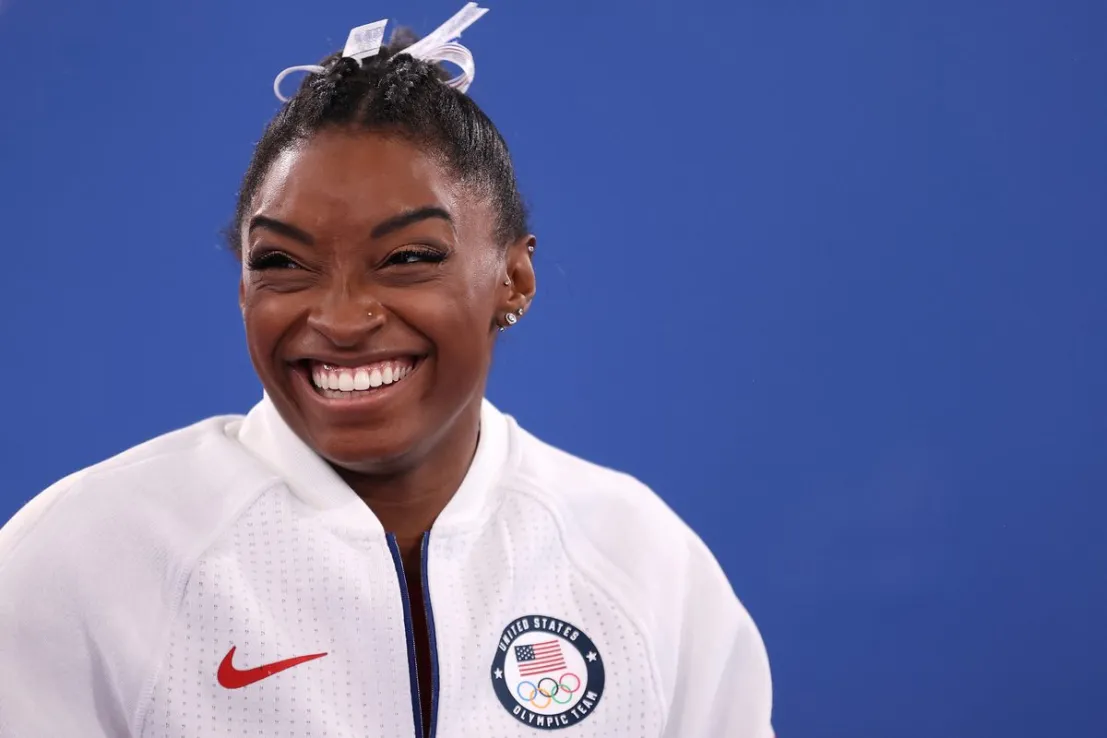
Nike’s former global editor Dan Rookwood argues that brands are leaving significant value on the table by wasting their allocated time with star athletes.
Since landing my first job on the sports desk of The Guardian’s website in 2000, I have spent a good chunk of my career interviewing athletes. Sometimes it has been a joy – playing tabletop Test Match Cricket against Freddie Flintoff, or driving a vintage Porsche with Xabi Alonso. Sometimes it has been a disaster – like the time my explosive exclusive interview with Paula Radcliffe deleted itself from a MiniDisc (remember them?) on the train back to the office.
The medium has evolved over those 26 years – from newspapers, magazines and websites to branded content, podcasts, YouTube and social – but the fundamental challenge has not: how do you get beyond the media-trained cliches?
What has changed dramatically in recent years is who calls the shots. We have gone from clubs and communications directors policing access to athletes and their representatives taking control. The Players’ Tribune was an early marker of that shift, giving athletes the opportunity to tell their own stories in their own words. LeBron James rewrote the rules of engagement by setting up his Uninterrupted platform with its “more than an athlete” mantra.
It was the start of athletes bypassing traditional media to tell their own stories, create their own content – and, in doing so, build their own brands. Now leading athletes like Erling Haaland and Bryson DeChambeau have their own YouTube channels. Former athletes turned media personalities like Gary Lineker and Gary Neville have set up their own media companies. In the US, the 2021 introduction of name, image and likeness (NIL) rights for college athletes has further widened the pool of sportspeople able to monetise their own media presence without traditional gatekeepers.
Meanwhile, brands are still spending huge sums sponsoring athletes – often David Beckham. Global sports sponsorship spending runs into the tens of billions of dollars a year, according to industry estimates from agencies such as SportQuake and Two Circles. Some of them are doing it brilliantly (take a bow, Red Bull), yet many still fail to make the most of those talent deals.
Let the personality of athlete and brand shine through
I witnessed this during four years as global editor-in-chief at Nike. Few brands do athlete marketing better, and I learned a great deal while I was there. And yet I would shake my head on a near-daily basis at the opportunities we, as a brand, let pass by.
I would see LeBron walking past my office window on a visit to review the design of his next shoe; the Barcelona squad in pre-season training on Ronaldo Field; Simone Biles visiting campus to test the latest US Olympic kit. Yet too often their tightly allocated time at HQ would be consumed by meet-and-greets and internal obligations rather than thinking more expansively about the consumer-facing, brand-building content we could create with them. (I admit to my bias here: I wanted to film everything, all the time.)
I remember Nike Golf once coming to me because they had some unused time with Tiger Woods. It struck me as extraordinary. Here was one of the most compelling athletes on earth, we had incredibly valuable access to him – but no real plan for what to do with it.
I still see a lot of waste in brand-talent partnerships today, and it drives me nuts because the opportunity is enormous. So I have started doing something about it.
Access is not the valuable bit; it is what you do with the access that counts. There are plenty of brands that can afford to buy time with world-class talent – and then film them eating crisps or holding a can for the camera. You would not believe the time, effort and money spent on this fluff.
The alternative is to stop treating contracted athlete time as an obligation to fulfil – hold this product, answer these pre-approved questions – and instead create an environment in which the personality of both athlete and brand can come through.
Branded content as entertainment
Much of my work now sits at that intersection: helping brands think about how best to use their athlete sponsorships; collaborating directly with talent management to get their clients engaged; creating scalable content formats that athletes actually want to participate in; turning a contractual appearance into something audiences actively seek out, watch and share. Branded content as entertainment. The shift matters because audiences, particularly younger ones, increasingly discover sport through short-form and creator-led video rather than traditional broadcast highlights – which is exactly where athlete-led content can travel furthest.
Journalistic training is still useful because it is not so different from interviewing someone for a newspaper 25 years ago: preparation, curiosity, trust, knowing when to follow a line of inquiry, knowing how to get back on point, asking the question they have not answered 100 times before, and finding the format that allows them to relax and be themselves. More attitude, less platitude.
The magic happens when you stop treating the athlete as a piece of media inventory and start treating them as creators of content. Of course, some athletes are better suited to this than others, but you are not asking each one to be a comedian or an actor.
Lean into athletes’ competitive nature and have them battle each other on their favourite video game, then film the fireworks (EA Sports). Write skits that allow them to send themselves up (Paddy Power). Have a drone follow an athlete performing an assault course of awe-inspiring difficulty (Red Bull). Or find them a shreditor (shooter-editor) to film behind-the-scenes content for their YouTube channels.
Get the talent engaged. Give audiences something worth watching. And make content that builds both the athlete’s brand and the sponsor’s. Because if you are allocating a sizeable chunk of your marketing budget to buying access to extraordinary people, do not make ordinary content.
Dan Rookwood is Nike’s former Global Editor-in-Chief. He now helps brands make the most of their talent partnerships: danrookwood.com

