Whoopi Goldberg’s Defense of Ted Cruz Exposes Democrats’ Civility Trap
Key Takeaways
- •The commentary says Cruz should have the right to appear, speak and defend himself on The View.
- •Cruz objected to certifying Arizona’s electoral votes after courts rejected claims of widespread fraud that could have changed the 2020 result.
- •The writer distinguishes lawful access to a platform from an obligation by audiences or institutions to offer applause, deference or respect.
- •The piece argues that election denial threatens the peaceful transfer of power and should not be treated as an ordinary policy disagreement.
- •The commentary concludes that Democrats should defend democratic norms without allowing demands for civility to suppress justified public criticism.
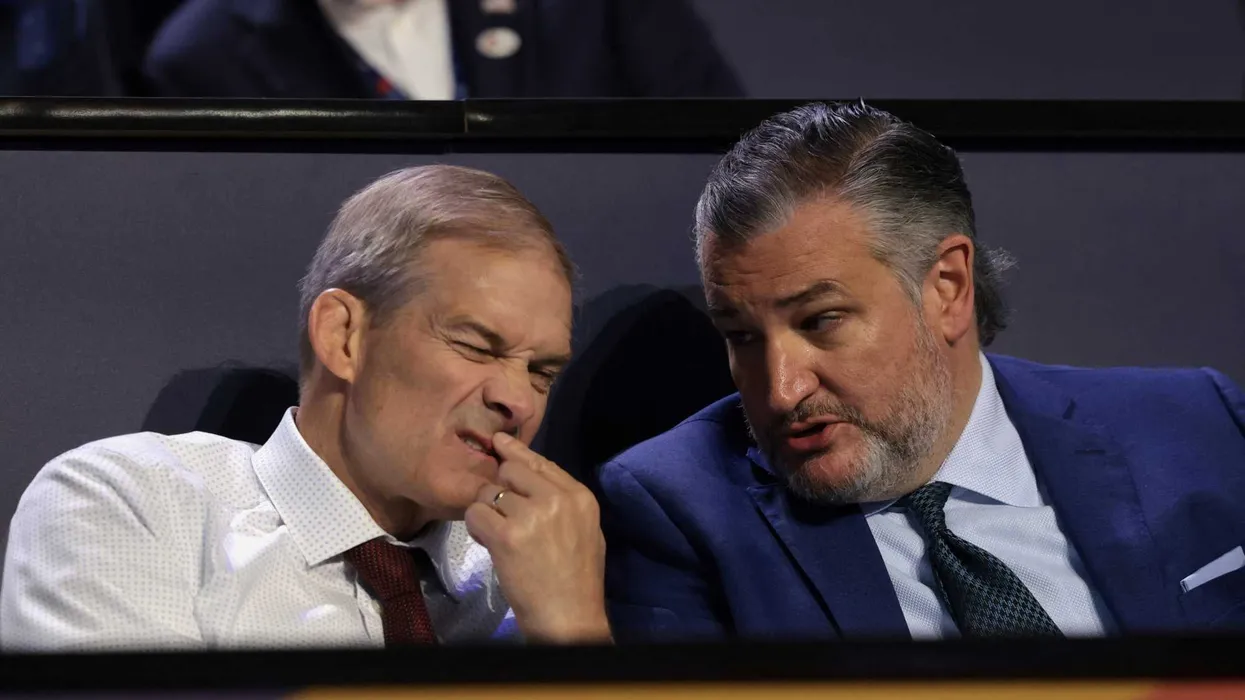
Whoopi Goldberg’s request that the audience remain respectful toward Ted Cruz on The View offered a striking metaphor for why Democrats, in the view of this commentary, continue to lose political battles to Republicans.
Ted Cruz. Not Jimmy Carter. Not Mister Rogers. Ted Cruz.
Cruz appeared on The View, and when the audience became disruptive, Goldberg admonished it, essentially arguing that Cruz was a guest and deserved to be heard. The moment condensed what the commentary describes as the Democratic Party’s central problem: Republicans arrive with a flamethrower, while Democrats ask everyone to lower their voices.
To be clear, Cruz should be allowed to appear on The View. He should be questioned, given an opportunity to speak and allowed to defend himself. Free speech is not the issue. The issue is the insistence that a politician who helped legitimize efforts to overturn the 2020 election must also be surrounded by institutional respectability while doing so.
The writer says friends and family sent messages expressing disbelief at what they were watching. Cruz objected to the certification of Arizona’s electoral votes even after courts had repeatedly rejected claims of widespread fraud sufficient to change the election. He was not merely someone in a Facebook group circulating blurry screenshots of voting machines. He was a United States senator, a Harvard Law graduate and a former solicitor general of Texas. The commentary argues that he understood the seriousness of the moment.
Yet the people booing him were the ones being lectured about decorum.
That, the writer argues, is why Democrats will never “get it.” Republicans understood years ago that politics is a knife fight inside a country club, while Democrats remain concerned that someone might use the wrong salad fork.
The modern Republican Party has spent years attacking institutions, demonizing political opponents, calling elections rigged, treating compromise as weakness and turning politics into professional wrestling. Democrats, by contrast, respond by polishing the lectern and reminding everyone that, traditionally, people wait until the other person finishes speaking.
Wonderful. Perhaps democracy will put that on its tombstone:
HERE LIES THE AMERICAN EXPERIMENT. IT LOST, BUT WAS EXTREMELY POLITE ABOUT IT.
The commentary argues that this fixation on civility is particularly maddening because it confuses manners with morality. The two are not the same. People can behave impeccably while doing terrible things, and history is filled with well-dressed individuals calmly explaining monstrous ideas.
The writer cites Joseph Mengele, the SS officer and physician known as the “Angel of Death,” who gave candy to children who called him “Uncle Joseph” before removing their spines. By contrast, an angry citizen shouting “BS” from the cheap seats may sometimes have a better grasp of events than a person under studio lights explaining why both sides should be heard.
There are not always two equally respectable sides. If someone claims that an election was stolen without evidence, the journalistic response should not be, “Interesting. Let’s explore that perspective.” It should be, “Prove it.” If the person cannot, the writer argues, journalists should say so.
The commentary says Democrats, much of liberal television and the White House press corps remain trapped in an obsolete fantasy: that if they demonstrate enough fairness, restraint and respect for norms, Republicans will eventually become embarrassed and reciprocate.
Any day now. Perhaps immediately after infrastructure week.
The instinct is not inherently wrong. In another political era, it might even have been admirable. Democratic institutions require disagreement, and people with opposing political views must coexist. Losing an election cannot mean declaring the winner illegitimate.
That is precisely why election denial is different, the writer argues. The peaceful transfer of power is the mechanism that allows every other political disagreement to take place. Taxes, abortion, immigration and health care can all be fiercely contested because, beneath those disputes, there is supposed to be one basic agreement: elections determine who governs.
Once politicians decide that elections count only when their side wins, the debate is no longer about policy. It becomes an argument over whether the scoreboard itself exists.
The writer says Democrats remain afraid of appearing rude when making that point. They worry about “norms,” even though their opponents have discovered that norms are enforceable only when both sides care about them. They worry about hypocrisy, even though their opponents have learned that hypocrisy has roughly the shelf life of yogurt left on a Phoenix sidewalk. They also worry about being accused of partisanship by people who will accuse them of partisanship regardless.
Then someone like Cruz walks onto a television set, and liberals feel compelled to demonstrate how civilized they are.
“Please be respectful.”
Why?
The writer says people should be lawful, should not threaten or assault anyone, and should not prevent someone from speaking indefinitely. But respect is earned.
A functioning democracy does not require citizens to applaud politicians who tried to undermine confidence in an election. In fact, the commentary argues, democracy depends on citizens being able to tell those politicians exactly what they think of them—loudly.
The irony, the writer says, is that Democrats repeatedly ask why their voters are not as energized as Republicans. Perhaps it is because whenever Democratic voters become angry, someone immediately appears with a rolled-up newspaper and tells them to get off the furniture.
Calm down. Be reasonable. Do not alienate anyone. Respect the institution.
Meanwhile, Republicans have spent years discovering that anger is political rocket fuel.
Democrats do not need to become Republicans. They should not lie more effectively, abandon democratic norms or turn every disagreement into mortal combat. But they do need to distinguish between defending norms and becoming imprisoned by them.
Democracy does not survive because everyone behaves nicely. It survives because certain lines matter. Trying to overturn a legitimate presidential election should be one of those lines.
Ted Cruz can appear on The View. He can speak, defend himself and complain about the reception. But nobody owes him applause or deference. Americans do not need a celebrity moderator explaining that, after an attempted subversion of an election, the most important thing is to remember their manners.
That, the commentary concludes, is the problem. Republicans keep testing how far the guardrails can bend. Democrats keep reminding everyone not to lean on them—and then wonder why they keep losing the argument.
The writer’s final judgment is: “Shame on you, Whoopi.”
Source: Raw Story

