White House Press Secretary Katie Zacharia Out After Five Days Amid Botched Briefing and Credentials Controversy
Key Takeaways
- •Katie Zacharia's tenure as White House press secretary ended on Friday after only five days in the role.
- •President Trump said he advised Zacharia to reconsider the job, while publicly claiming she had suffered at the hands of the press.
- •Her introductory briefing drew immediate criticism, with one network host cutting away from the roughly 14-minute appearance after less than three minutes.
- •An independent record search found no evidence Zacharia ever held a law license in any U.S. jurisdiction, despite both her and the president repeatedly presenting her as a credentialed attorney.
- •Documentation shows she graduated from Pepperdine University's law school in 2011 but failed the California bar exam, and legal experts warned her 'general counsel' role at Fix California may have violated rules against the unauthorized practice of law.
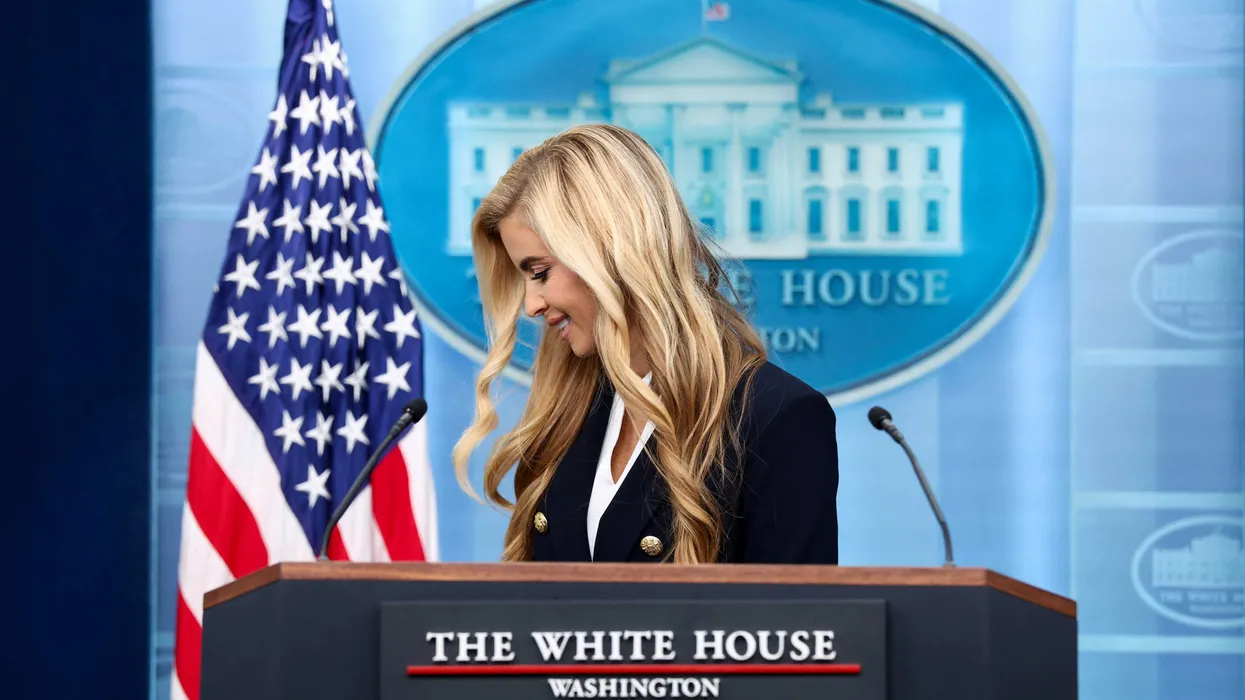
White House Press Secretary Katie Zacharia's tenure came to an abrupt end on Friday, five days after she assumed the role. Her departure followed a poorly received debut at the briefing room podium and a fast-moving controversy over her professional credentials. The press secretary serves as the administration's chief public spokesperson, with televised podium briefings acting as the most visible point of contact between the White House and the press corps.
President Donald Trump signaled the departure on the South Lawn, recounting to reporters a conversation in which he encouraged his press secretary to step down and framing the move as an act of consideration rather than a dismissal. "I said, 'Honestly, if I were you, I'd reconsider,'" Trump said, while also publicly asserting that Zacharia had "suffered at the hands of the press." Within hours, media reports confirmed she was officially out.
Zacharia had been tapped on Tuesday to replace Karoline Leavitt. Her introductory press briefing was immediately panned, leaving seasoned journalists stunned. Over the course of a roughly 14-minute appearance, she spent most of her time reading stilted, fragmented opening remarks with her eyes fixed on her notes. View's Ana Navarro observed bluntly that "second graders read better." Network hosts were so unimpressed by the spectacle that MS NOW host Stephanie Ruhle cut away from the broadcast after less than three minutes. In a notable rhetorical slip, Zacharia at one point referred to Trump as her husband, before taking just three questions and leaving the room.
The more decisive catalyst, however, was the rapid unraveling of her professional biography. Both Zacharia and the president had repeatedly presented her to the public as a credentialed "attorney." An independent record search found no evidence that Zacharia had ever held a license to practice law in California or any other U.S. jurisdiction. Documentation confirmed that she graduated from Pepperdine University's law school in 2011 but failed the California bar exam. Legal experts warned that by presenting herself as "general counsel" for Fix California, the conservative advocacy group led by Ric Grenell, Zacharia may have violated the law against the unauthorized practice of law. Such rules, in force across U.S. jurisdictions, generally bar individuals from practicing law or presenting themselves as attorneys without an active license.
When reporters pressed her on the tarmac about where she had actually passed the bar exam, Zacharia offered a muddled reply: "When I moved to China." She later claimed she had misheard the question over the roar of Marine One.
Her efforts to manage the crisis through television interviews proved unsuccessful. During a Thursday evening appearance on Fox News, host Sean Hannity confronted her with her own falsehoods, pressing her on a lengthy history of media appearances and social media posts in which she claimed the attorney title. Her defense — suggesting that the posts "were retweets" — did not stem the criticism. By Friday morning, a defensive Zacharia appeared on television to complain that the "legacy media" was making her an unnecessary subject of conversation. Hours later, she was gone.
Zacharia's five days in the role stand as an unusually brief tenure for a post whose occupants have typically served far longer. Critics described her rapid rise and fall as a cautionary tale of cronyism, and as evidence of what they characterized as a deepening competence crisis at the highest levels of government. Attention now turns to who will fill the vacancy at the briefing room podium.

