White House Weighing Mass Pardons for Junior Staffers as Democrats Eye House Takeover
Key Takeaways
- •The White House is considering mass pardons for junior staffers who could be called before Congress if Democrats retake the House in the Nov. 3 election.
- •A blanket pardon for all junior administration personnel is viewed as unlikely, but the president could issue pardons for employees involved in specific policy areas such as deportations, war, or trade.
- •Presidential pardon power extends only to federal offenses and excludes impeachment, so state prosecutions and civil lawsuits would fall outside any pardon's reach.
- •Far-right organizations including the Heritage Foundation and American Moment are urging the White House to prepare pardons or fund legal fees for staff likely to face lawsuits.
- •Trump has granted clemency to roughly 1,700 people as of June, and clemency expert Mark Osler said widespread pardons for political appointees and staff would be a new development in American history.
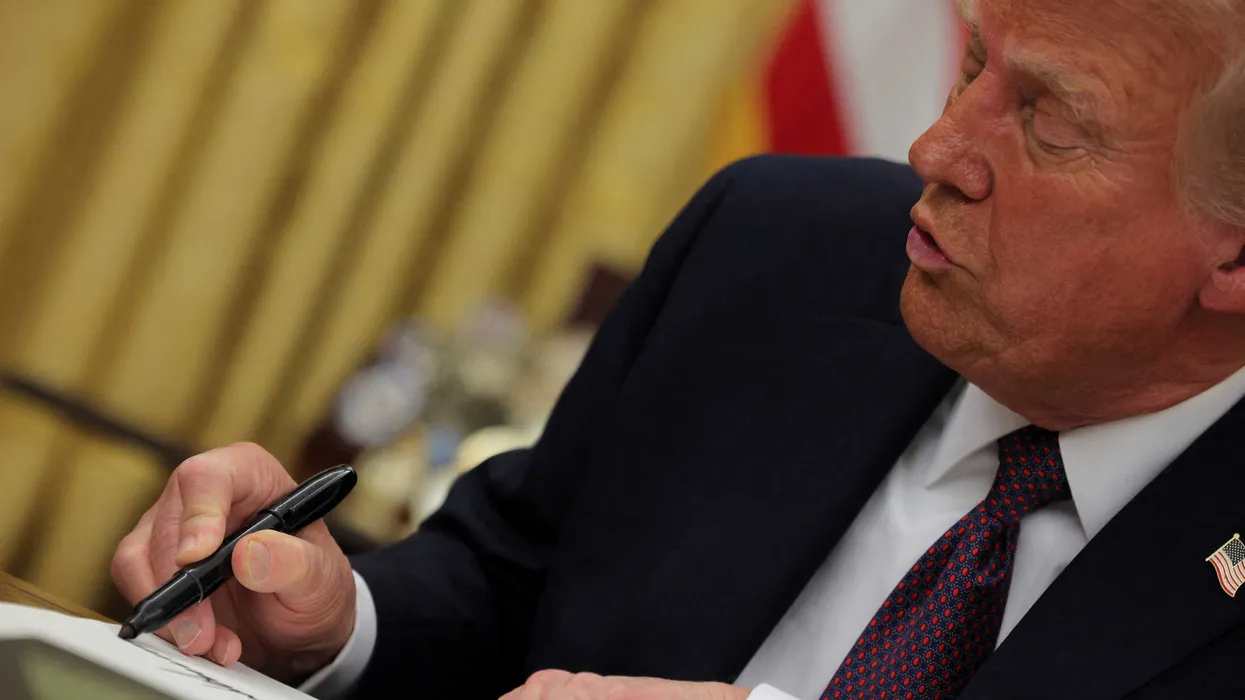
The White House has begun preparing for the possibility that Democrats retake the House of Representatives after the Nov. 3 election, and its first moves center on mass pardons.
According to a report from the Washington Sun, lawyers are considering issuing pardons for all White House junior staffers likely to be called before Congress.
“Because these people are lunatics on the, on the left — I don’t want to see people that work for me go through years of nonsense, hire lawyers and everything else, all for nothing,” Trump said earlier this month.
The lawyers hope pardons could help protect lower-ranking staff. However, Congress does not prosecute anyone — the Justice Department does — and it is led by Todd Blanche, Trump’s former personal lawyer.
Even so, far-right organizations such as the Heritage Foundation and American Moment are pressing the White House to either prepare some pardons or at least put funding in place for the legal fees that staff are likely to need once lawsuits begin.
“A pardon for all junior administration personnel is viewed as unlikely, one source said, but the president could issue blanket pardons for all employees involved in particular policy areas, such as deportations, war or trade,” the Sun reported on Saturday. “Trump has previously said he would be interested in pardoning some administration officials, but the discussions happening now would apply to a far greater number of White House staff than has been previously reported.”
Pardoning staffers for possible crimes would also suggest the White House believes crimes occurred. And because a president cannot pardon someone for crimes they have not yet committed, Trump would likely have to issue the same pardons again at the end of his term. Under Article II of the Constitution, the pardon power extends only to “Offences against the United States” — federal crimes — and expressly excludes impeachment, so state prosecutions and civil lawsuits would fall outside any pardon’s reach.
Earlier this month, Sen. Elissa Slotkin (D-Mich.) suggested that young people who want to work for Trump should think ahead about whether they have adequate funding for lawyers.
Corruption in government is quickly becoming one of the biggest issues on the campaign trail. Blanche’s recent move was to prosecute longtime Trump aide Corey Lewandowski over some of the deals he made while overseeing the Department of Homeland Security as a special government employee under Secretary Kristi Noem.
Reuters reported in September that Trump has granted clemency to roughly 1,700 people as of June.
That report cited law professor and clemency expert Mark Osler, who explained that widespread pardons for political appointees and staff would be “a new development in American history.”
“It’s a despoilment of what is supposed to be a tool for mercy and national reconciliation being used as a battlefield tool in political wars,” Osler said. “Certainly, the Biden administration did this and blazed the trail, and now it’s potentially being followed in much greater numbers by Trump. I don’t think anyone would conceive that the framers would hope it would be used this way.”
Even if pardoned, Congress can still compel staff to testify — and control of the House, to be decided on Nov. 3, will determine which party wields that subpoena power in the next Congress.

