White House Moves to Eliminate Unnecessary Bitcoin and Cryptocurrency Regulations
Key Takeaways
- •The White House plans to eliminate regulations it considers unnecessary for cryptocurrencies, building on a May 2026 executive order that directed federal agencies to review rules hindering digital asset activities.
- •The administration has established a Strategic Bitcoin Reserve and a U.S. Digital Asset Stockpile as part of a broader policy shift toward integrating digital assets into the federal financial system.
- •The new approach marks a departure from the prior enforcement-heavy strategy that relied primarily on litigation rather than tailored rulemaking for the crypto sector.
- •Congress is separately working on legislation to clarify crypto market structures and stablecoin regulations, though the legislative timeline remains uncertain.
- •Specific regulations targeted for elimination have not yet been publicly detailed, and federal agencies' response speed remains an open question for observers.
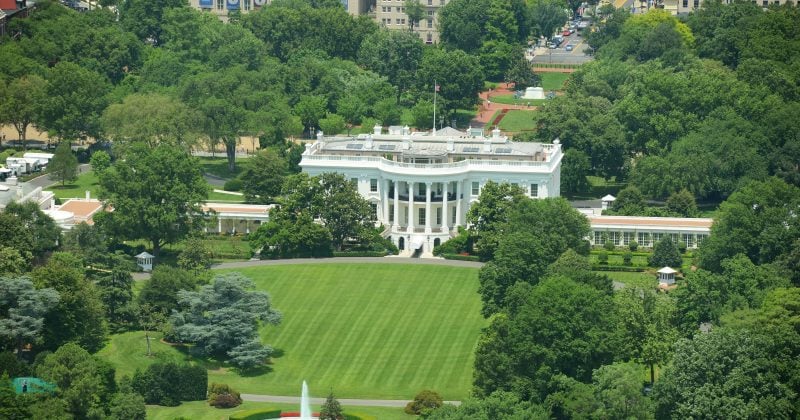
The White House has announced plans to eliminate regulations it deems unnecessary for Bitcoin and other cryptocurrencies, according to a social media report. The announcement builds on a May 2026 executive order that directed federal agencies to review and potentially revise rules considered obstacles to digital asset activities.
The administration's approach reflects a broader policy shift toward integrating cryptocurrencies into the federal financial framework. This shift has been evidenced by the establishment of a Strategic Bitcoin Reserve and a U.S. Digital Asset Stockpile, both of which signal a more accommodative posture toward digital assets at the executive level. The move marks a notable departure from the enforcement-heavy strategy that characterized prior years, during which regulators primarily relied on litigation and enforcement actions rather than issuing tailored rules for the digital asset sector.
The push to reduce regulatory friction also comes amid ongoing legislative efforts in Congress to clarify crypto market structures and stablecoin regulations. Lawmakers have been working on proposals intended to establish clearer rules for digital asset trading, custody, and issuance, though the precise legislative timeline remains uncertain. The SEC and CFTC have overlapping and sometimes conflicting claims over digital asset jurisdiction, a tension that has complicated compliance efforts for market participants.
Under the May 2026 executive order, federal agencies were tasked with identifying rules that may hinder digital asset innovation or adoption. The White House's latest announcement indicates that the administration is moving forward with implementation of that directive, though specific regulations targeted for elimination have not yet been publicly detailed. For context, the U.S. approach is unfolding as other major jurisdictions—including the European Union with its Markets in Crypto-Assets framework and the United Kingdom with its phased licensing regime—have moved forward with comprehensive digital asset rulemaking.
The regulatory landscape for cryptocurrencies in the United States has historically involved multiple agencies, including the Securities and Exchange Commission, the Commodity Futures Trading Commission, and the Treasury Department's Financial Crimes Enforcement Network. Each of these bodies has exercised varying degrees of oversight over different segments of the digital asset market.
Observers are now watching how quickly federal agencies will respond to the White House directive. Developments in Congress regarding crypto market structure legislation and stablecoin rules are also expected to play a significant role in shaping the overall regulatory environment for digital assets in the United States.

