MN8 Energy to Pair West Virginia Solar Project With Lithium-Ion and Zinc Long-Duration Storage
Key Takeaways
- •The 86-MW Mammoth Solar project will combine 280 MWh of lithium-ion storage with 100 MWh of zinc-based long-duration energy storage from Eos, and is described as the first commercial-scale long-duration energy storage deployment in West Virginia.
- •The buildout is staged, with the solar facility expected to reach commercial operation in 2028, lithium-ion storage in 2029, and the 10-MW/100-MWh long-duration system, designed for 10 hours of storage, in 2030.
- •Google will purchase the project's energy, capacity, and clean energy attributes, an arrangement that supports its data center capacity needs and its broader effort to accelerate commercialization of long-duration energy storage.
- •The project will be Google's first to use Eos' American-made Z3 technology and the first development under the previously announced MN8-Eos Master Supply Agreement.
- •Sited on a reclaimed coal mine, the project represents up to $350 million in capital investment, is expected to yield approximately $4 million in property tax revenue for the county and local schools during its first 20 years, and is projected to create about 200 construction jobs.
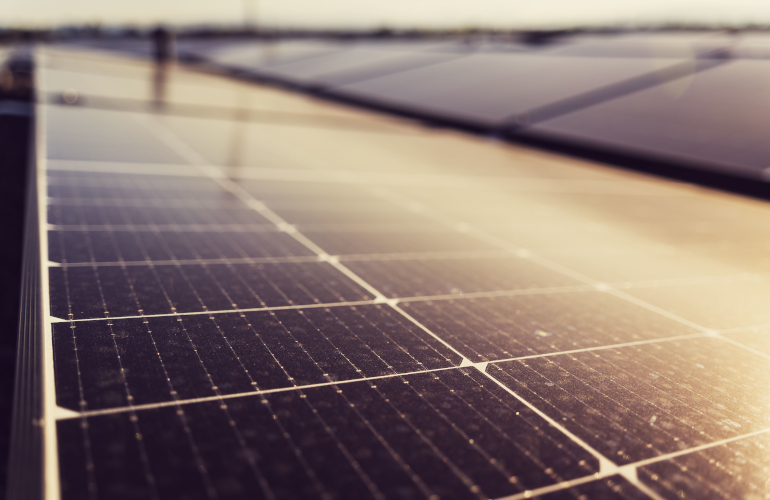
MN8 Energy is developing an integrated solar and storage project in Kanawha County, West Virginia, that will provide dispatchable capacity to the PJM grid serving Google’s data centers in the region. The 86-MW Mammoth Solar project will combine 280 MWh of lithium-ion energy storage with 100 MWh of zinc-based long-duration energy storage (LDES) supplied by Eos.
The solar facility is expected to reach commercial operation in 2028. Lithium-ion storage is scheduled to follow in 2029, while the long-duration storage system is expected to be completed in 2030. The staged schedule means the full solar-plus-storage configuration is expected to come together as the final long-duration system is completed.
MN8 designed Mammoth Solar as a utility-scale system integrating short- and long-duration storage. The configuration is intended to convert intermittent renewable generation into a single dispatchable resource. The project is described as the first commercial-scale long-duration energy storage deployment in West Virginia.
“At Google, we’re committed to backing solutions that both serve our data center capacity needs and accelerate progress toward cleaner, more affordable energy systems,” said Lucia Tian, Director, Advanced Energy Technologies at Google. “This collaboration with MN8 and Eos aims to deploy a smart portfolio of round-the-clock technology solutions to help power our digital infrastructure, while creating meaningful economic benefits for West Virginia.”
Under the agreement, Google will purchase the project’s energy, capacity and clean energy attributes. The arrangement advances Google’s commitment to bring new capacity to the grids where it operates. The project also forms part of Google’s broader efforts to accelerate the commercialization of LDES technology and bring its potential to communities globally.
“This project reflects what MN8 does best: understanding a customer’s unique energy profile and building a solution around it,” said Jon Yoder, President and CEO of MN8 Energy. “Because Google was willing to pair next-generation storage with utility-scale solar, we could engineer proven and emerging technologies into one dispatchable resource — and deliver clean, around-the-clock power where the grid needs it most.”
The project will be Google’s first to use Eos’ American-made Z3 technology and the first developed under the previously announced MN8-Eos Master Supply Agreement. The 10-MW/100-MWh system is designed to provide 10 hours of storage. This will extend the availability of solar generation beyond the shorter-duration storage resources and allow the combined portfolio to provide dependable capacity across more hours of the day. The project is also intended to demonstrate how Eos’ aqueous zinc chemistry can support critical grid infrastructure.
“The grid needs more from every megawatt of new generation,” said Nathan Kroeker, Chief Commercial Officer at Eos. “Our work with Google is focused on deploying American-made long-duration storage where it solves real grid reliability challenges. Z3 extends the value of clean generation across more hours, strengthens the overall portfolio, and delivers more dependable capacity when it’s needed most.”
The project will be built on a reclaimed coal mine in West Virginia, creating economic activity in a community with a long energy history. According to MN8’s estimates, it represents up to $350 million in capital investment and is expected to generate approximately $4 million in property tax revenue for the county and local schools during its first 20 years of operations, with millions more expected in the following 15 to 20 years.
Construction is expected to create approximately 200 jobs, followed by additional full- and part-time positions supporting the project throughout its operating life.
Source: Solar Power World
