Pakistan's Energy Crisis Set to Ease as Qatari LNG Cargoes Break Through Hormuz
Key Takeaways
- •Tankers carrying Qatari liquefied natural gas are scheduled to reach Pakistan this month, with the first cargo expected as early as Thursday.
- •Qatar suspended LNG exports under force majeure after Iranian strikes damaged the Ras Laffan hub, removing Pakistan's largest contracted supplier.
- •Deprived of contracted volumes, Pakistan turned to the spot market and paid $20 per MMBtu or more across tenders over the past three months.
- •A recent Pakistani tender collapsed after the sole bid of $26.969 per MMBtu, about triple pre-war prices, was deemed too high, prompting a fresh tender.
- •Pakistani power generation costs stood 38% higher year-on-year as of July, and the return of Qatari cargoes could relieve both procurement expenses and rolling blackouts.
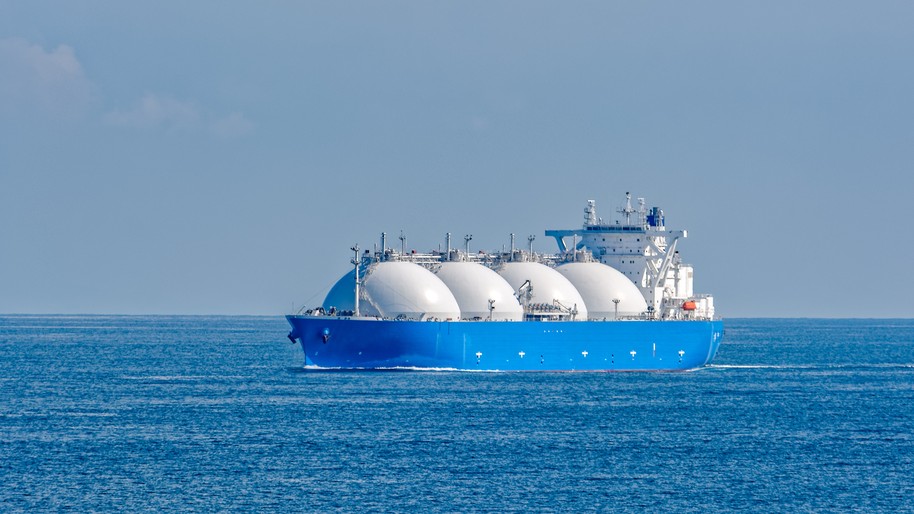
Pakistan is set to receive a measure of energy relief in the coming days, with tankers carrying Qatari liquefied natural gas scheduled to arrive in the country this month. According to a Bloomberg report citing ship-tracking data, the first cargo is expected as early as Thursday.
The shipments mark a turning point for Pakistan, which has struggled to keep the lights on since Qatar declared force majeure on its LNG exports after Iranian strikes damaged the Ras Laffan LNG hub. Qatar had been the South Asian nation's biggest supplier of liquefied natural gas under long-term contracts, and its absence forced Pakistan into the spot market, where it has paid hefty premiums for the occasional shipment. The immediate significance of the returning cargoes is that they could reduce Pakistan's need to replace contracted supplies through those costly spot-market tenders.
Over the past three months, the country has issued a series of prompt liquefied gas delivery tenders, consistently paying $20 per million British thermal units or more. A tender earlier this month ended without an order after Pakistan's state gas company received just one offer — at roughly $27 per MMBtu, about three times the pre-war LNG prices Pakistan had been paying.
"The international LNG price is around $23.18 per MMBtu, whereas the bid received was $26.969 per MMBtu. The price was considered too high, so a fresh tender has been issued," a senior Pakistan LNG Limited executive said, as quoted by Pakistani media earlier this month. Following the failure of that tender, Pakistan LNG issued a new one.
The resumption of Qatari cargoes is expected to go some way toward alleviating the energy crisis, in which power generation costs have soared amid the gas crunch and rolling blackouts have become a fixture of life, at times lasting 24 hours in parts of the country. As of July, generation costs were 38% higher than a year earlier, and they have likely risen further since then as spot-market LNG prices trended higher and QatarEnergy announced an extension of its force majeure. The arrival schedule and the continuation of Qatari deliveries will therefore be important indicators of how much pressure Pakistan's power system and LNG procurement costs can ease in the near term.
By Irina Slav for OilPrice.com.
Source: OilPrice.com
