Webtoon Entertainment Acquires Majority Stake in Korean Game Studio RI Games for $100 Million
Key Takeaways
- •Webtoon Entertainment is purchasing a 60 percent stake in RI Games Holdings for approximately $100 million, with the deal structured in two installments and including performance-based milestones for the remaining shares.
- •The companies plan to release games based on popular Webtoon titles including "Overgeared," "Doom Breaker," and "Omniscient Reader" over the next four years.
- •Webtoon reported second-quarter revenue of $338.5 million, down 2.8 percent year-over-year, while its net loss widened to $14.6 million from $3.9 million in the prior-year period.
- •Korea posted 20 percent constant-currency growth while Japan contracted by 6.7 percent, and global monthly active users held flat at 156 million.
- •Webtoon established a separate $100 million fund with parent company Naver in July to invest directly in adaptations of its titles.
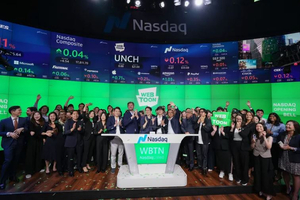
Webtoon Entertainment announced Tuesday that it is acquiring a 60 percent stake in Korean game developer RI Games Holdings for approximately $100 million, marking a strategic push into gaming and animation as the company's core growth shows signs of deceleration.
RI Games was founded in 2022 by Kevin Tail Han and operates two studios — GrayGames and Offbeat — which will lead development of new titles. Under the agreement, the companies plan to release a slate of games over the next four years based on popular Webtoon series including "Overgeared," "Doom Breaker," and "Omniscient Reader," titles that already command substantial readerships on the platform. The four-year development window aligns with typical production cycles for mobile and PC games in Korea's competitive gaming industry.
The acquisition will be completed in two installments and includes performance-based terms governing the remaining 40 percent stake. Han retains the option to sell his remaining shares to Webtoon in a combination of cash and stock if specific milestones are achieved, while Webtoon holds the right to sell back a portion of its stake if those targets are not met.
The deal represents a strategic shift for the Los Angeles-based company, which went public on Nasdaq in 2024. Historically, Webtoon has licensed its comics to external studios and streaming platforms rather than owning adaptations outright — an approach that executives said limited the company's share of upside when its titles achieved global success. The move toward in-house adaptation mirrors a broader trend among Korean entertainment companies, which have increasingly sought to capture more value from intellectual property by controlling adaptations across games, film, and television.
"IP adaptations are a critical element of our flywheel, creating greater franchise value and bringing more fans back to our global platform," Webtoon President Yongsoo Kim said on the company's earnings call Monday.
In addition to the RI Games acquisition, Webtoon disclosed that it established a $100 million fund in July with its parent company Naver — Korea's largest internet platform — to invest directly in adaptations of its titles.
The announcement coincided with Webtoon's second-quarter earnings report, which delivered mixed results. Revenue declined 2.8 percent year-over-year to $338.5 million, though the company noted that sales would have risen 5.2 percent absent currency effects. Adjusted earnings reached 4 cents per share, exceeding Wall Street expectations of a slight loss. However, net loss widened to $14.6 million from $3.9 million in the year-ago quarter, driven by higher taxes and increased marketing spending.
Regional performance was similarly uneven. Korea, Webtoon's home market, posted 20 percent growth on a constant-currency basis, while Japan — the company's second-largest market — contracted by 6.7 percent. Worldwide monthly active users remained roughly flat at 156 million.
Investors initially responded positively to the results, pushing shares up 5.8 percent to $9.45 during regular trading. The stock subsequently reversed course in after-hours trading, declining 6.2 percent to $8.86 as attention shifted to the revenue downturn and the company's cautious forward outlook. The agreement's four-year timeline and performance-based milestone structure provide benchmarks for tracking the partnership's progress as the first titles move through development.

