Web3Bridge Is Not Dead: Ayodeji Awosika Reveals Pivot to Founders Residency
Key Takeaways
- •Web3Bridge, a seven-year-old Nigerian blockchain academy, is pivoting from developer training into a founder residency programme after its own social media posts sparked reports that it was shutting down.
- •The organisation has invested close to 700 million naira in physical and infrastructural assets, including a facility that can house 200 developers, which founder Ayodeji Awosika said made an outright shutdown impossible.
- •An analytical review conducted three months ago concluded the organisation would fail without a pivot, as free capital for early-stage ideas has evaporated and funders now favour established projects.
- •The new residency is an 8-to-12-week in-person programme open to startups in sectors including AI and fintech, capped at 50 teams for its inaugural cohort, with registration set to open at the end of October.
- •Web3Bridge is moving away from a fully grant-funded model to one requiring founder fees, while exploring scout and commission structures and a long-term goal of becoming a venture capital firm or accelerator.
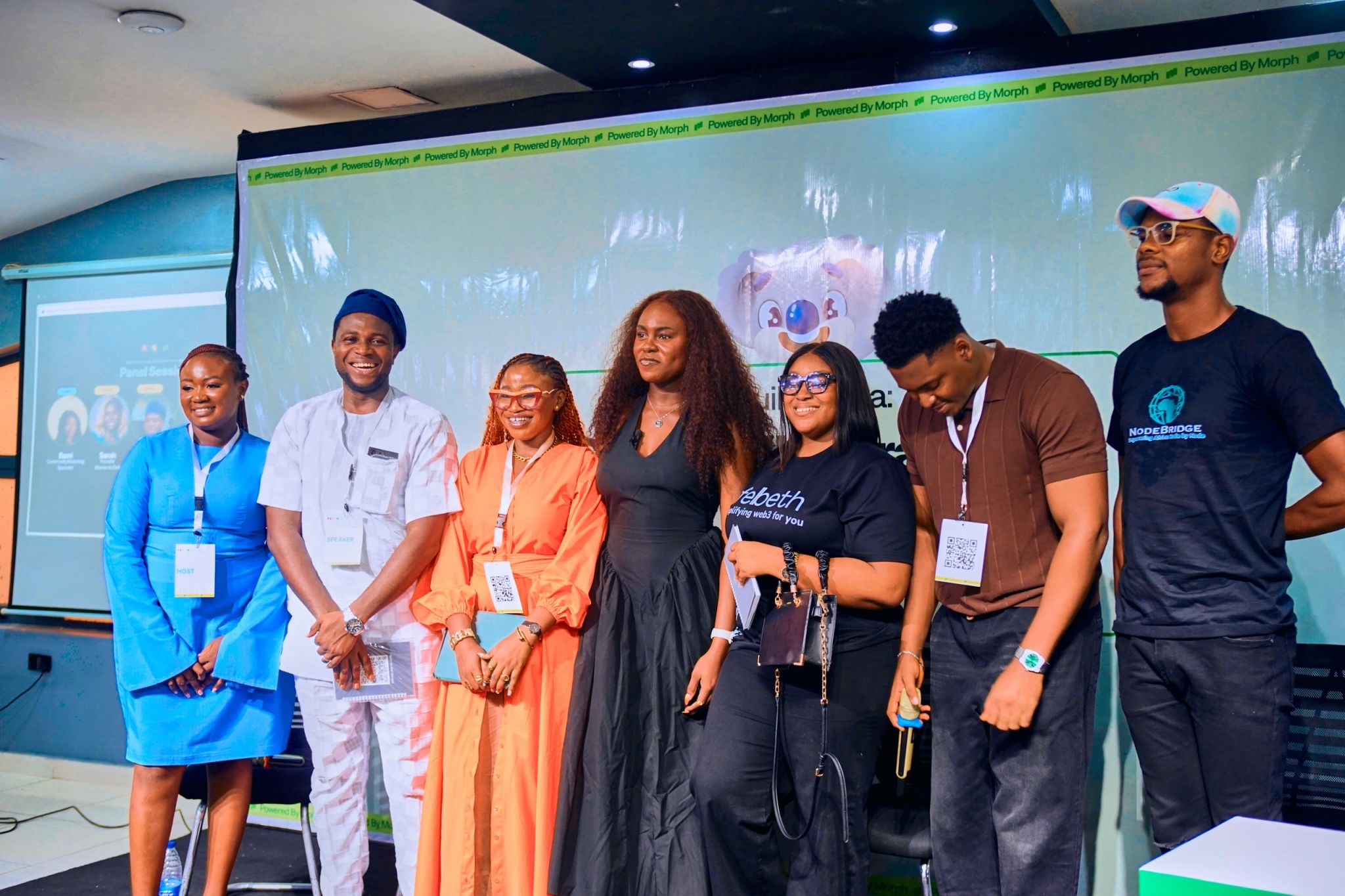
Reports of the death of Web3Bridge, one of Africa's premier blockchain academies, proved premature. When reports surfaced this week that the seven-year-old Nigerian organisation was shutting down — news that came from the's own official social media handle — the Nigerian tech ecosystem went into mourning. Founder Ayodeji Awosika says the reality is far more ambitious: Web3Bridge is executing a high-stakes pivot, transforming from a developer training pipeline into a fully-fledged founder residency programme designed to groom the next generation of African startup founders.
In an exclusive interview with Technext, Awosika framed the restructuring as a calculated survival strategy driven by market realities rather than a surrender, insisting that the company's deep physical investments made an outright shutdown impossible.
"Fortunately, we are not shutting down Web3Bridge," Awosika clarified. "We have invested far too much in Web3Bridge for it to simply shut it down. Between our physical and infrastructural assets, we have poured in close to 700 million naira, and if I am being honest, we have not seen that money back. Today, we have a facility that can sleep 200 developers, staff quarters, a complete hub, and a church building we acquired last November to support human development."
A calculated pivot, not an overnight decision
The move did not come suddenly. Discussions began last May, when the team recognised shifting ecosystem dynamics, but a critical analytical review three months ago forced their hand. The previous model relied heavily on free grants and partners such as Lisk, which recently moved away from its original blockchain focus.
"We did an analytical review of Web3Bridge three months ago and discovered that if we do not pivot now, we are going to naturally die," Awosika explained.
According to the founder, the era of free capital for early-stage ideas has evaporated, with funds now strictly demanding established projects.
"If you look critically at most founder programmes that have happened in Africa over the last two years, it has been the same people in the room," he said. "Recent grants from networks like Stellar went to established projects like Onboard and Aza. Almost everybody is now becoming a fund looking to back projects. It tells you there is a glaring gap in early-stage founder education."
Inside the Founders Residency
To bridge that gap, the new residency will expand beyond blockchain and welcome startups from a range of sectors, including artificial intelligence and fintech, while the existing developer pipeline stays open to feed the broader ecosystem. The parent brand retains the Web3Bridge name, but the residency will operate under a distinct sub-brand, potentially styled as "Founders Residency by Web3Bridge".
The programme is designed as an intensive in-person experience spanning 8 to 12 weeks. To maintain high standards, the inaugural cohort will be strictly capped at 50 teams, with registration slated to open at the end of October. Web3Bridge already boasts alumni from eight African countries, including Kenya, Uganda and Togo, and the residency aims to maintain a pan-African footprint.
The organisation is also actively securing strategic partnerships to equip participating startups from day one. Awosika revealed ongoing discussions with global technology companies covering partnerships as well as access to free APIs, SDKs and, crucially, AI access for founders.
"Venture capitalists are trying to locate Nigeria," Awosika noted. "They are looking for early-stage founders who can give $150,000 and take out $8 million, rather than going to established names like Flutterwave or Moniepoint. We are speaking with people from Singapore and other international hubs that have capital to deploy and need a trusted pipeline."
Preparing founders for global capital
The curriculum will lean heavily on global expertise, engaging local operators and international mentors from tech hubs such as Singapore. Awosika is determined to prepare founders for the realities of raising global capital, particularly in the era of 'Network States', where founders are increasingly relocating to regions like Thailand, Malaysia and Kazakhstan.
"Our job is to help you reach a point where, when you travel to a Network State, you are not just going there to talk to people about what you are building," he said. "You are going there to actually start talking about raising funds."
A paid model and long-term ambitions
Moving away from the 100 per cent grant model, the residency will require founders to pay fees, and the organisation is exploring scout and residency commission structures to sustain the business long term.
"Founders are going to pay," Awosika confirmed. "We are avoiding the 100 per cent grant model because Web3Bridge is a registered limited liability company, and we want to do business. Realistically, if you apply for a residency anywhere in the world, you pay for your accommodation at the very least."
"We do hope this experiment will not fail in our hands and become even bigger than Web3Bridge has ever been," he added. "Our long-term goal is to actually become a venture capital firm or an accelerator."
The organisation's foundational 2019 goal of equipping one million developers remains alive. But its immediate mission is now exact: turning raw African talent into globally competitive, fundable startups. Several details remain open in the near term, including the residency's final sub-brand, the outcome of partnership discussions with global technology companies, and the design of the scout and commission structures the organisation is exploring — all worth watching as the end-of-October registration window approaches.

