In-Game vs Standalone NFT Markets for Web3 Games: Choosing the Right Trading Model
Key Takeaways
- •In-game marketplaces are best suited to items that players buy and use immediately during play.
- •Standalone marketplaces are designed for public discovery, portfolio views, offers, and buyers who may not play the game.
- •Hybrid marketplaces require a single shared record for order status, ownership, price, and delivery across the game and website.
- •Studios must separate item ownership from item usability because a token can be owned but still be locked, rented, banned, or otherwise ineligible for use.
- •Before launch, teams should test purchase, delivery, equipping, listing, cancellation, withdrawal, and recovery end to end.
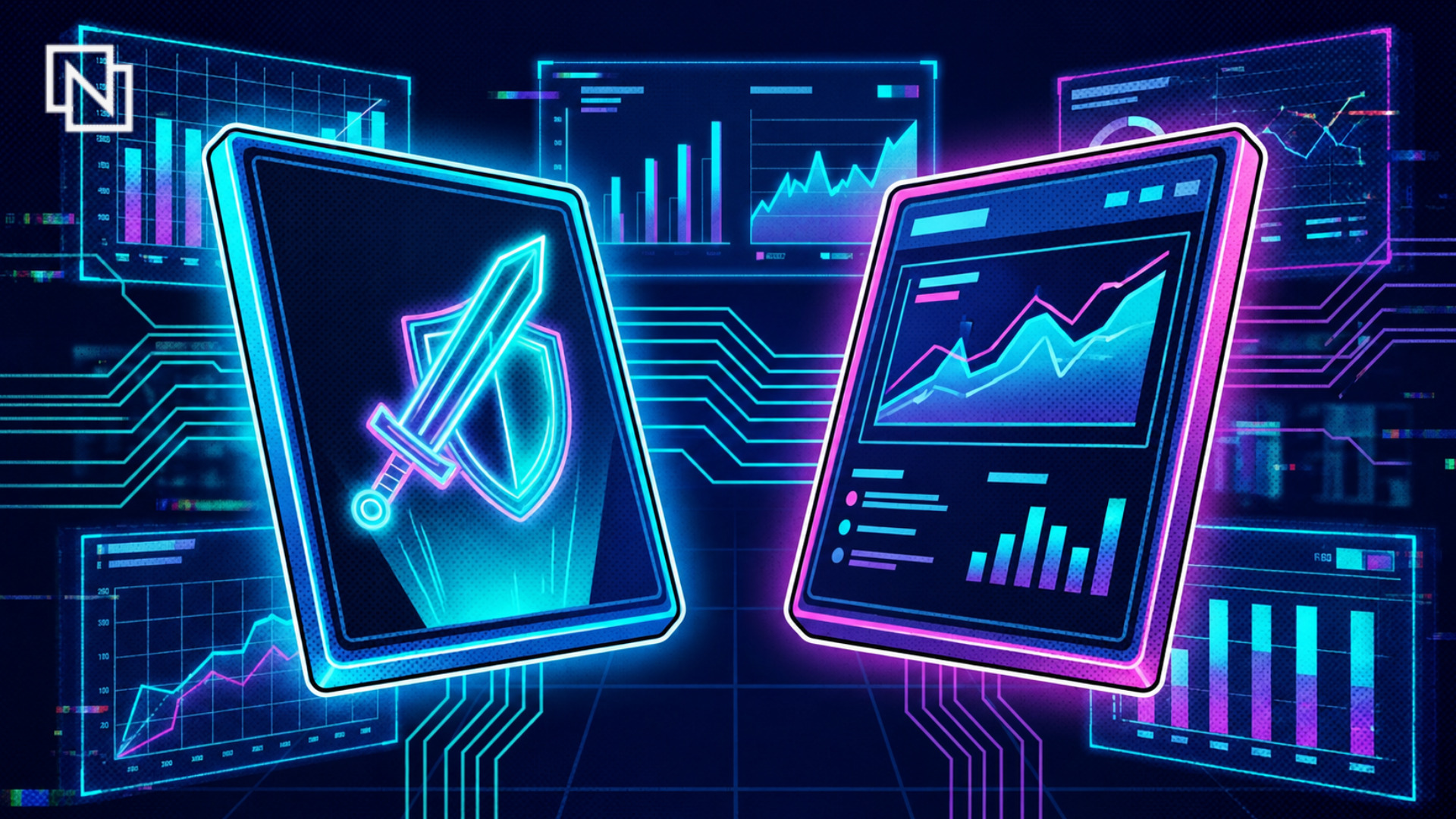
An in-game marketplace allows players to buy and sell items without leaving the game. A standalone marketplace directs them to a separate website. A hybrid model uses both approaches. The right choice depends on where the player should discover, pay for, receive, and use an item — and that decision affects everything from the first purchase to who handles support when something goes wrong. As Web3 games have launched across networks including Ethereum, Polygon, and Solana, the underlying chain's gas costs, transaction finality, and existing marketplace support have become practical constraints on which model is viable.
For further context, the Web3 game marketplace operations guide covers failed orders, the NFT creation guide covers items before sale, and the gasless trading guide covers methods to reduce wallet steps.
Three Trading Models Compared
For the same game sword, the in-game path prioritizes speed, the standalone path prioritizes public discovery, and the hybrid path attempts to deliver both. The sections below detail the wallet, fee, ownership, and support consequences of each approach.
A hybrid model is not simply placing two links inside the game. The game client and the website must display the same order, owner, price, and delivery status. If a chain transfer succeeds but the game has not yet received the item, both interfaces must show "pending" and reference the same support channel.
What Changes Under the Hood
Before building a store, the studio must make four decisions: where the item is recorded, who signs the transaction, who pays the network fee, and who can recover the account.
For example, an in-game sword may begin as item ID 458 in the game database and become an NFT only when the player withdraws it. On a standalone market, the starting record consists of the contract address, token ID, and wallet address. In a hybrid system, the studio must decide which record takes precedence when the two disagree. Without that rule, a player could pay once but see two owners, or equip an item that is simultaneously listed for sale.
Who Pays and Who Sets the Price
An in-game market gives the studio more control over prices, discounts, bundles, spending limits, and the fee displayed to the player. However, the studio also bears the cost of servers, payment processing, refunds, fraud review, and any blockchain transaction it sponsors. A "gas-free" player experience does not mean the transaction has no cost — it means the studio or a service provider pays or hides that cost.
In a standalone market, the buyer or seller typically pays the network fee, and the marketplace sets its own transaction charge. Creator earnings depend on the marketplace and the asset's royalty settings. NFT royalty enforcement has varied across marketplaces, with some platforms allowing buyers to bypass creator-set royalties entirely. Studios should calculate outcomes using the actual checkout screen rather than assuming a royalty percentage or advertised fee will apply to every resale.
In-Game Market: Buy the Item Beside the Loadout
An in-game market is best when players purchase items to use immediately. A sword, skin, or upgrade can appear beside the loadout, and the game can verify level, class, and delivery before the next match begins. The trade-off is support intensity: if payment succeeds but the item cannot be equipped, the game team must resolve it.
This model works strongest for games with frequent item actions, bounded inventory rules, and a support team capable of handling account and delivery issues without redirecting players to a third-party marketplace.
Standalone Market: Let Collectors Find the Item
A standalone market suits collections that need public search, portfolio views, offers, and buyers who may have never played the game. Established NFT marketplaces such as OpenSea and Magic Eden already provide search infrastructure, portfolio tools, and buyer audiences that a game building its own standalone marketplace would otherwise need to replicate. This can expand the audience, but the game must clearly explain how a web buyer connects a purchase to a game account. If buyers cannot claim or use items after checkout, support tickets rise quickly.
Studios should test one listing end to end: open the item, connect the wallet, review the fee, sign the transaction, wait for confirmation, and verify that the item appears in the correct game account.
Hybrid Market: Keep the Game Flow and Public Market
A hybrid model applies when active players need fast in-game trading while outside collectors also matter. The game can display the sword beside the loadout while the website handles public listings and offers. This approach works only if both surfaces show identical price, owner, order status, and cancellation results.
Testing after a web purchase is essential. A marketplace can correctly transfer a collectible while the game still refuses to equip it, links it to the wrong account, or leaves it stuck in pending status.
Hybrid Order and Inventory Synchronisation
For hybrid trading, create a single order record. A player can list an item from within the game, an outside buyer can purchase it on the website, and both surfaces must read the same settlement event. The order should move through straightforward states: listed, pending, sold, delivered, equipped, or needs recovery.
Stale listings must not remain active after an item is sold, burned, locked, or banned. An item should not be marked as delivered merely because the payment screen reads "success" — the transfer and the game account must be verified separately.
Choose the Model Against a Real Launch Scenario
Consider an RPG launching 10,000 tradable weapon NFTs. If most buyers are current players, placing the store beside the loadout makes sense. If many buyers are collectors who have not installed the game, a standalone market is appropriate. If both groups are significant, use a hybrid model — but assign one system responsibility for listing, payment receipt, ownership, and delivery status.
Before choosing, measure trades per session, the share of buyers who are not players, supported wallets, moderation capacity, and the longest acceptable delivery wait. These metrics provide more useful guidance than labeling one model "best."
Owning the NFT Is Not the Same as Using the Item
A player may own a token but remain unable to equip it because it is rented, locked, banned, or linked to the wrong game account. Ownership and usable game access are separate checks.
The game should maintain four distinct states: the item is owned, the item is eligible, the item is equipped, and the item is transferable. A player may own a sword but cannot equip it due to level restrictions. That same sword may be ineligible for transfer while equipped or locked in an active match. These rules should be finalized before the marketplace launches.
For a standalone purchase, the game should verify the collection, token ID, chain, and owner before unlocking the item, displaying "pending" during the check. If the item is not accepted after transfer, the player needs a recovery queue, support reference, and retry path — the difference between owning an NFT and being able to use it.
Wallet and Gas Design
Casual players need fewer wallet interruptions and a clear recovery route. The choice of blockchain network — whether Ethereum mainnet, a layer-2 rollup, or an alternative chain — directly determines gas costs and confirmation times, which in turn shape how many wallet steps a player will tolerate. Ethereum account-abstraction guidance can inform embedded or smart-account designs, but the product still requires spending limits and a mechanism for moving assets to an external wallet.
For hybrid onboarding, let the player sign in with the game account first. Use an embedded or custodial wallet for low-value actions, then allow the player to connect a self-custody wallet for withdrawals or high-value trades. The system should clearly explain who controls the key and which actions require a signature.
Moderation and Fraud Controls
Game marketplaces require collection moderation plus game-specific controls covering counterfeit items, stolen accounts, chargebacks, item locks, and support disputes. A public marketplace lacking these safeguards can damage a game economy rapidly.
Security risk varies by model. An in-game market concentrates risk in the studio's account database, payment system, and item-service permissions. A standalone market exposes players to phishing sites, malicious approvals, fake collections, and lost wallet keys. A hybrid model inherits both risk profiles, so its launch checklist must cover account recovery, wallet export, listing cancellation, chain reorganization, duplicate delivery, and support escalation.
Compliance decisions should be made before launch, particularly when a game accepts card payments, allows withdrawals, sets prices, or creates a market resembling financial trading. Traditional free-to-play games route purchases through platform stores such as Steam, the App Store, and Google Play, which enforce their own refund, age-gating, and payment policies. A Web3 game that accepts direct payments or operates its own marketplace must address many of those same consumer-protection obligations. Mobile-store policies, consumer refund rules, identity verification, age restrictions, tax reporting, and regional availability can all shape the design. Studios should seek jurisdiction-specific legal advice rather than assuming that labeling an item as an NFT removes regulatory obligations.
Choose in-game when most trades occur during play and the studio can manage payments, refunds, recovery, and moderation. Choose standalone when outside collectors and public price discovery are priorities. Choose hybrid only when the team can maintain a single order, ownership, and delivery record across both surfaces. Before launch, test one item through purchase, delivery, equip, listing, cancellation, withdrawal, and recovery.
User reports illustrate why delivery warrants separate testing. One Magic Eden review described good UX and support in the marketplace experience, collected on August 11, 2026. Another delivery report described a game-linked purchase that displayed a win without delivering the NFT. These are individual accounts, not evidence of a platform-wide failure, but they reinforce a single recommendation: test payment, ownership, game access, and recovery independently.
Conclusion
A Web3 game should position trading where the player needs it. In-game trading suits routine purchases during play. Standalone trading serves public collector demand. Hybrid trading works only when the development team can keep both surfaces synchronized. If players must exit the game for every routine item action, adding an in-game path or transitioning to a hybrid model is advisable.
Frequently Asked Questions
Who should read this guide?
Game founders, economy designers, marketplace operators, and product leads deciding where players and collectors should discover, buy, sell, and receive game items.
What is the first thing to verify before choosing a model?
Verify whether the primary buyer is an active player, an outside collector, or both. Then test delivery, entitlement, support ownership, and cancellation across the chosen surface.
Does this replace vendor documentation?
No. This guide translates vendor and protocol documentation into a decision path. Fast-changing limits, fees, and chain support require a dated check against official sources.
Disclaimer: This article is for research and editorial comparison purposes only. It does not constitute financial, investment, legal, or tax advice. NFT tools, marketplaces, fees, chain support, and live availability can change quickly. Verify current conditions on the official platform before making any decision involving funds, assets, or private keys.

