Waymo Develops Its Own Chip for Self-Driving Vehicles
Key Takeaways
- •Waymo's first custom chip is a 5-nanometer application-specific integrated circuit that converts raw sensor data from radar, lidar and cameras and delivers more than 1,000 trillion operations per second, allowing driving commands to execute in milliseconds.
- •The new chip powers Waymo's latest Ojai robotaxi, which is already in commercial service in Phoenix, Los Angeles and San Francisco.
- •Waymo's compute systems have grown twentyfold over the past eight years and have supported more than 200 million miles of autonomous driving.
- •Waymo plans to continue partnering with outside firms, including AMD, Micron, Nvidia, Samsung, SanDisk, Socionext and TSMC, for non-machine-learning tasks using CPUs, GPUs and accelerators.
- •Waymo operates in 11 U.S. cities, reports half a million paid rides per week, and plans international expansion into Tokyo and London.
Waymo
Verticals
News
Waymo Develops Its Own Chip for Self-Driving Vehicles
The company said the chip is fast enough to handle real-time driving conditions.
August 24, 2026
Waymo has revealed that it has developed a custom-built chip for its latest generation of vehicles.
The chip was introduced in a blog post by vice president of engineering Satish Jeyachandran and compute lead Daniel Rosenband, offering insight into the technology that has helped secure Waymo’s leading position in the U.S. robotaxi rollout.
Waymo said the new chip plays a central role in its autonomous driving system, which the company said “would be considered impressive for a data center, with the added complexity of an in-vehicle operating domain and real-time requirements.”
The chip, Waymo’s first custom silicon, is designed to convert raw data from a robotaxi’s sensors, including radar, lidar and cameras, before that information reaches the vehicle’s core machine learning system.
Waymo described the 5-nanometer application-specific integrated circuit as “a specialized machine learning powerhouse” capable of delivering more than 1,000 trillion operations per second, helping driving commands be executed in milliseconds.
Designing its own silicon places Waymo within a broader industry shift in which large technology companies build chips tuned to their own products rather than relying solely on general-purpose processors. Google, which incubated Waymo as a self-driving car project before it became a standalone Alphabet subsidiary in 2016, designs its own Tensor Processing Units for artificial intelligence workloads; Apple designs the processors in its iPhones and Macs; and Tesla, which began operating a robotaxi service in Austin, Texas, in 2025, has shipped its own Full Self-Driving computer since 2019.
This responsiveness is one of three elements Waymo said are central to the design of its compute systems, which have grown 20-fold over the past eight years and have now supported more than 200 million miles of autonomous driving. The other two are durability, which Waymo said is essential for robotaxis operating across widely varying road conditions and climates in the U.S., and built-in redundancy for safety.
Waymo said it will continue to focus on infrastructure products. At the same time, the company plans to keep working with outside firms, citing non-machine-learning tasks in which it combines its technology with CPUs, GPUs and accelerators. Waymo named AMD, Micron, Nvidia, Samsung, SanDisk, Socionext and TSMC as existing partners.
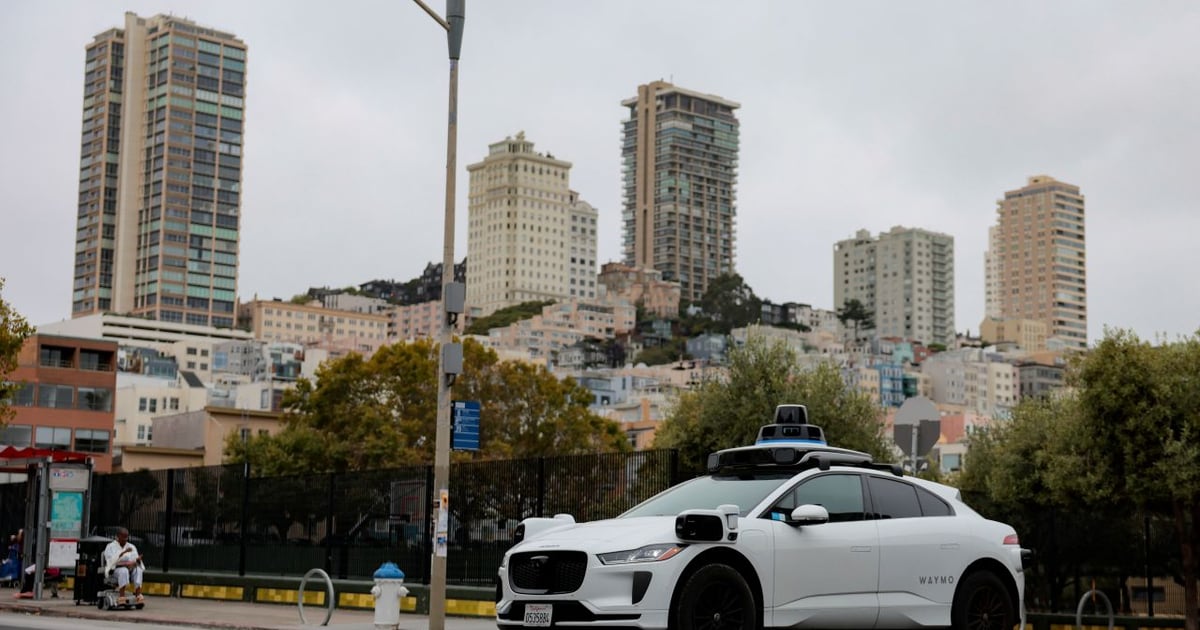
The new chip will be used in the company’s latest Ojai robotaxi, which debuted earlier this year and is now in commercial service in Phoenix, Los Angeles and San Francisco.
Waymo is active in 11 U.S. cities and lists 19 more as coming soon on its website. The company also plans international expansion in Tokyo and London. Those two markets would place Waymo’s vehicles — and the compute systems at their core — in road and regulatory environments beyond the U.S. conditions the company cited in describing its durability and redundancy requirements.
Earlier this year, Waymo said it had reached half a million paid rides per week.
The Waymo blog did not say how much the company spent developing the chip, but Waymo has benefited from substantial investment. In February, it raised $16 billion and was valued at $126 billion.

