Fed Chairman Kevin Warsh's Jackson Hole Speech Sets Up Economic Policy Showdown With Trump
Key Takeaways
- •Kevin Warsh delivered his first major speech as Fed chairman on August 28 at the Jackson Hole symposium hosted by the Kansas City Fed in Wyoming.
- •Warsh criticized the Fed's long-standing practice of forward guidance, arguing it has made markets overly dependent and constrained data-driven rate decisions.
- •Warsh stressed price stability over the employment side of the Fed's dual mandate and said the central bank bears responsibility for 65 months of sustained elevated inflation.
- •His remarks were interpreted as a criticism of Treasury Secretary Scott Bessent's failed attempt to lower long-term Treasury yields through bond buybacks, after the national debt exceeded $40 trillion in August.
- •Financial experts see Warsh's speech as signaling potential rate hikes, setting up a conflict with President Trump, who has publicly demanded rate cuts.
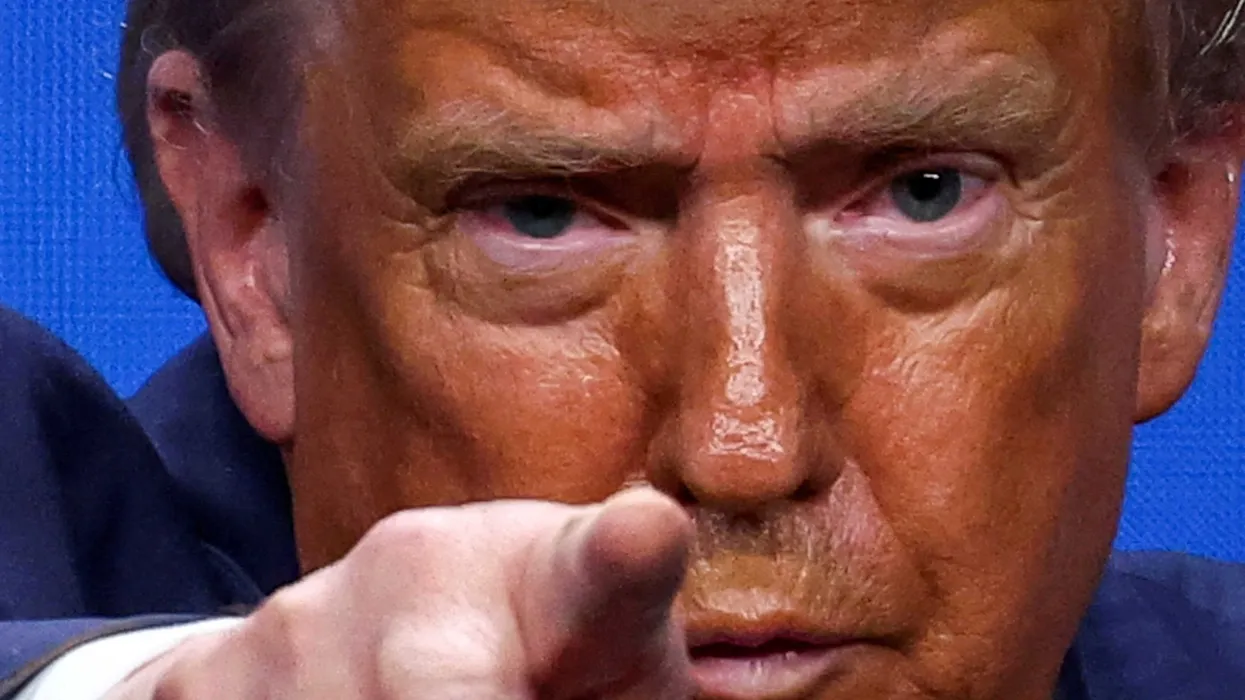
A speech by the newly appointed chairman of the Federal Reserve on Friday has exposed a growing internal rift over economic policy within the administration and may have placed him on a "collision course" with President Donald Trump. That is the assessment of the American Conservative, which argued on Tuesday that the dispute over economic policy is heading toward a "showdown." (The American Conservative's analysis: At Jackson Hole, Warsh Set Up a Potential Showdown With Trump)
"Kevin Warsh gave his first major speech as chairman of the Federal Reserve on August 28 at this year's Jackson Hole Economic Policy Symposium," the American Conservative writes. In that address, Warsh offered "clues about the Fed's future direction — as much as he might prefer not to — and perhaps even set himself on a collision course with President Trump." The annual symposium, hosted by the Kansas City Fed in Wyoming, has long served as a venue where Fed chairs signal shifts in monetary policy thinking, which is why Warsh's remarks drew close scrutiny from markets and commentators.
Warsh Declares War on Forward Guidance
As the magazine elaborates, Warsh has gone to "war" against "forward guidance," which it describes as "Fed slang for broadcasting monetary policy moves well in advance" and which has been regular central bank practice over the past two decades. Warsh acknowledged that the practice was "intended to maintain calm in the markets during economically tumultuous periods," but he "believes it has overstayed its welcome, as markets have become too reliant on this information, locking the central bank into whatever policy it foreshadowed regardless of subsequent changes in circumstances."
"As he noted at Jackson Hole last week, forward guidance can in fact lead markets, businesses, and households astray, obstructing the ability of policymakers to make rate decisions based on hard data," the magazine writes. Moving away from forward guidance would represent a significant change in how the Fed communicates, since investors have come to treat officials' advance signals about rate paths as a fixture of market expectations.
Emphasizing the need to establish the proper relationship between financial markets and the Fed, Warsh stated: "The Fed needs clear market signals, as unfiltered as possible from market internals: the level and change in asset prices across sectors, the prices and trading volumes of Treasury securities, the foreign exchange value of the dollar, the cost and availability of credit, and the price of a broad set of commoditie."
An Apparent Jab at Treasury Secretary Scott Bessent
The American Conservative observes that "in the reference to Treasury securities, one cannot help but see a jab at Treasury Secretary Scott Bessent's recent maneuvers. In August, the national debt rose to exceed $40 trillion, while 30-year Treasury yields jumped to almost two-decade highs. The increasing burden of the debt on government financing has pushed up interest rates, as buyers price in the risk of non-payment. By buying back some of these long-term bonds, Bessent hopes to bring down yields on the long end of the yield curve (the normally upward sloping curve showing the difference between short- and long-term bond yields) and thus lower borrowing costs for the government."
That effort failed, according to the magazine, and Warsh is now making clear that he is "against distorting such an important signal as the Treasury yield." The exchange also underscores the boundary between the Fed's monetary policy remit and the Treasury's debt-management responsibilities — a division of labor that Warsh's comments suggest he intends to keep distinct.
Price Stability Over Employment
The American Conservative notes that "Warsh has continued to highlight the central bank's focus on price stability over the employment side of the dual mandate. In his Jackson Hole address, he characterized the labor market as 'stable,' and spent considerable time digging into the various inflation indicators that remain concerning. He reiterated that 'the responsibility for 65 months of sustained, elevated inflation sits squarely with the central bank. And that is where it belongs.'" The dual mandate refers to the Fed's statutory charge from Congress to pursue both maximum employment and stable prices.
Financial experts interpreted those remarks as a sign that rate hikes are on the way — the opposite of what Trump wanted when he appointed Warsh to lead the Fed. According to the National Conservative, the president has pushed for rate cuts despite high inflation, and so far has blamed the "very political" Fed board for resisting his demands, saying that "Kevin is fantastic." But if Warsh raises interest rates as expected, it would "place him directly in the president's crosshairs." The tension echoes a long-running debate over Fed independence, as presidents have historically preferred lower rates while the central bank has sought to guard its policy decisions from political pressure.
At the same time, the magazine notes, "posturing as an advocate for rate maintenance or cuts will likely undermine his credibility with markets."
"To maintain his inflation hawk credentials," the magazine concludes, "Warsh may have to upset his president."
