Elizabeth Warren Calls Nvidia's Reinstatement of Jensen Huang Reckless
Key Takeaways
- •Senator Elizabeth Warren criticized Nvidia's decision to reinstate Jensen Huang, describing it as reckless and a risk to US national security.
- •Huang resigned on November 12, 2026, after admitting to extramarital affairs, including one reportedly involving a woman US intelligence identified as a potential Chinese spy.
- •Nvidia reinstated Huang on November 23, 2026, stating that input from high-level US government officials supported its confidence that his leadership poses no national security threat.
- •Nvidia's stock jumped nearly 33% on the reinstatement, with reports estimating an increase of roughly $900 billion to $1 trillion in market value.
- •Warren, expected to chair the Senate Banking Committee, is calling for congressional hearings on Nvidia's compliance with export regulations, joined by other lawmakers demanding investigations.
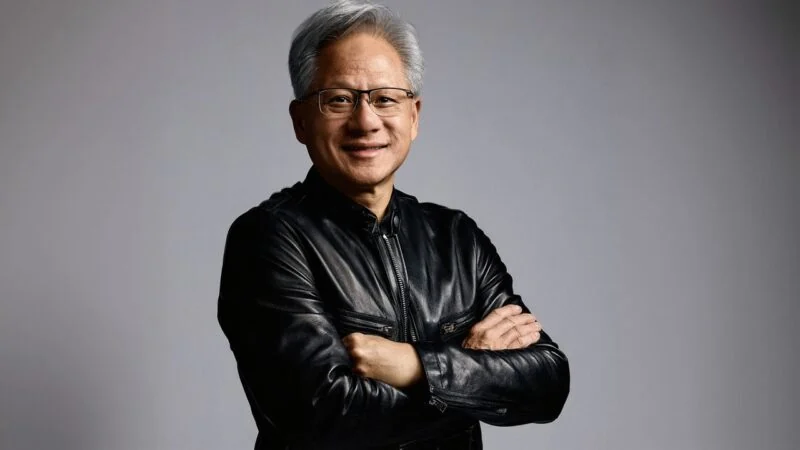
Senator Elizabeth Warren has sharply criticized Nvidia's decision to reinstate Jensen Huang as president and chief executive, calling the move a “reckless decision” that puts US national security at risk. The senator voiced her objection on November 23, 2026, the same day the chipmaker brought Huang back. Wall Street read the news very differently: Nvidia's stock jumped nearly 33% on the reinstatement, one of the more dramatic splits between Capitol Hill and the trading floor in recent memory.
Eleven days, two very different headlines
The timeline moved quickly. Huang resigned as chief executive on November 12, 2026, after admitting to extramarital affairs. One of those relationships was the real issue: it reportedly involved a woman whom US intelligence had deemed a potential Chinese spy.
Nvidia brought Huang back on November 23, 2026, just eleven days after his exit. The board said it had received input from high-level US government officials and expressed confidence that Huang's leadership would not pose a national security threat.
The return did not happen in a vacuum. It followed lobbying from major investors and tech figures, including Elon Musk. President Trump also weighed in after the fact, claiming he convinced Nvidia's board to reverse course on Huang's departure.
Why export controls are the real fight
Warren's objection is not mainly about Huang's personal life. It centers on US export controls — the rules that limit which advanced technologies American companies can sell abroad, and to whom they are allowed to sell them. Export controls have become one of the central policy tools in Washington's approach to advanced chip technology and its global sale.
The senator wants Congress to hold hearings on Nvidia's compliance with export regulations. She is not alone: congressional lawmakers more broadly are demanding investigations into whether the company has followed those rules.
Her position may soon carry more weight. Warren is expected to chair the Senate Banking Committee, a perch that would give her a louder microphone on oversight matters.
The market's verdict
Investors, for their part, voted with their wallets. The nearly 33% stock surge suggests shareholders viewed Huang's return as a stabilizing force for the chipmaker rather than a liability. Reports estimate Nvidia is poised to add approximately $900 billion to $1 trillion in market value following the reinstatement.
What this means for Nvidia, investors, and Washington
Nvidia's board leaned on input from high-level government officials to justify its confidence. Critics like Warren are likely to ask which officials were consulted, what they said, and whether that input should carry the weight the board gave it.
For now, Huang is back in the corner office, and the stock is sharply higher. Whether those demands for hearings and investigations gain traction remains to be seen.
Source: CryptoBriefing

