Elizabeth Warren Criticizes Clarity Act Draft, Says It Would Benefit Trump and Criminal Networks
Key Takeaways
- •Warren said the latest Clarity Act draft would make it easier for criminals, cartels and terrorists to move money.
- •The Senate GOP draft includes provisions barring federal officials and their families from issuing or sponsoring digital assets.
- •Warren argued the bill does not adequately prevent President Trump from benefiting from crypto ventures while in office.
- •Banking representatives have raised concerns that yield-bearing stablecoins could erode bank deposits and reduce lending capacity.
- •Goldman Sachs Chairman and CEO David Solomon became one of the first major banking executives to support the bill.
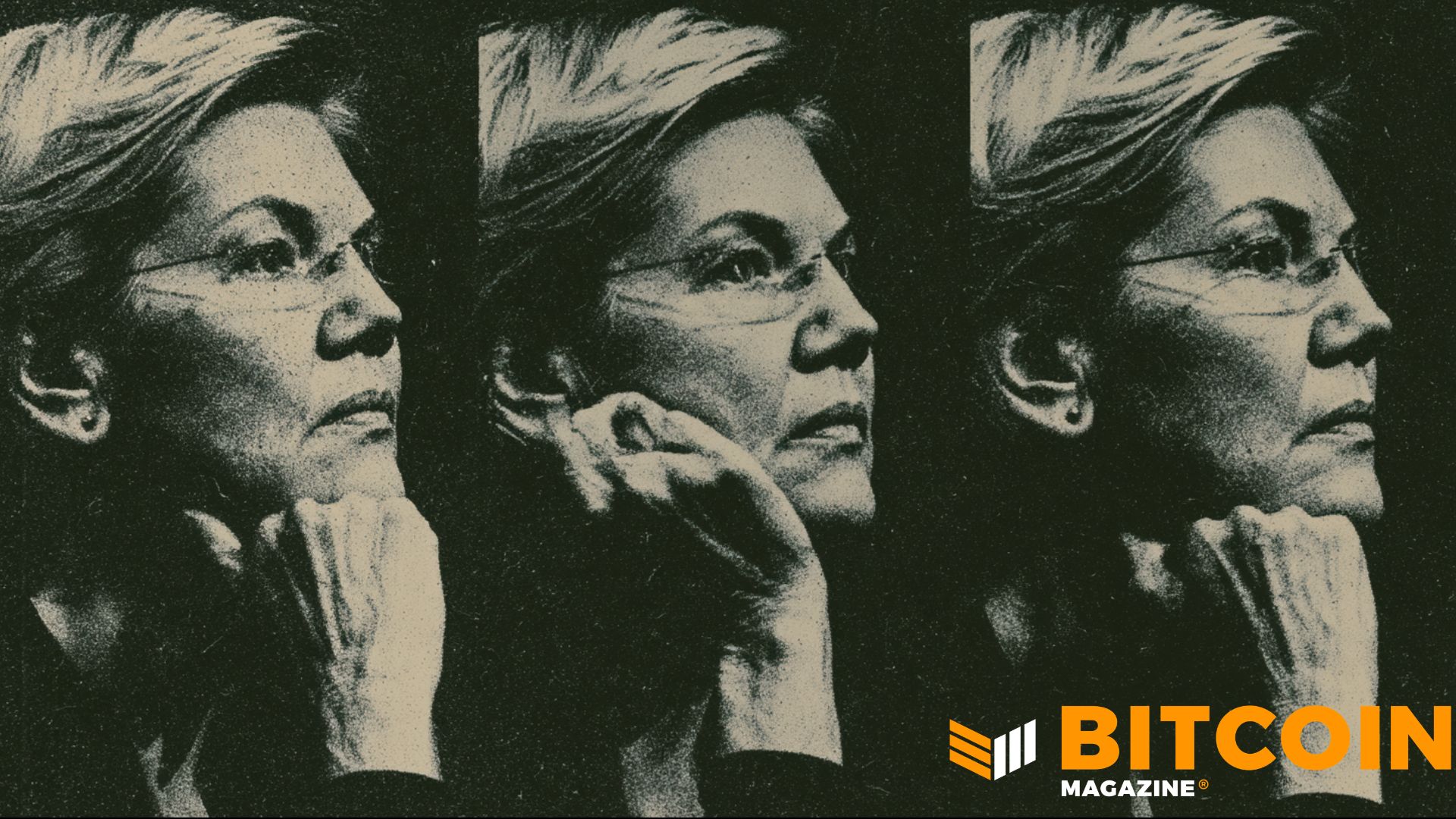
Democratic Senator Elizabeth Warren criticized the latest draft of the Clarity Act, arguing that the legislation would make it easier for criminals, cartels and terrorists to move money while failing to protect investors and the broader financial system.
In a video statement posted to X on Wednesday, Warren also said the proposed law would allow President Donald Trump to continue making money from crypto. Lawmakers are reviewing the newest version of the Clarity Act, a bill intended to establish a regulatory framework for digital assets. The latest draft includes provisions that would ban officials and their families from issuing or promoting crypto assets.
“This latest draft bill would make it easier for criminals, oh, and cartels and terrorists to move money and finance their operations — and it fails to protect investors and our financial system,” Warren said in the video.
The new draft of the Senate GOP crypto bill does nothing to stop President Trump from making his next $1.4 billion from crypto. It’ll supercharge Trump’s crypto corruption. This bill should be dead on arrival. pic.twitter.com/HuNY52n3ex — Elizabeth Warren (@SenWarren) July 22, 2026
“It’s going to a vote on the floor. There’s a glaring omission: it does not stop Donald Trump from cashing in on his presidency,” Warren said.
“This isn’t regulation — this is a giveaway. This bill should be dead on arrival,” she added.
X users added clarification to Warren’s video, noting that the Senate GOP’s updated draft contains ethics provisions that would prohibit federal officials from issuing or sponsoring digital assets. The dispute highlights a central question in the bill’s latest negotiations: whether new market-structure rules for crypto should move forward alongside ethics limits aimed at preventing officials from benefiting from digital asset activity while in office.
Trump’s crypto ventures
Warren has long been critical of crypto, previously arguing that billions of dollars go missing each year because of tax-dodging crypto users. More recently, she has called for an investigation into the Trump family’s major crypto ventures.
President Trump campaigned on a pledge to support the crypto sector, but some lawmakers in Washington have criticized the way the Trump family has profited from digital asset ventures. Those ventures include the Republican’s meme coin, TRUMP, and the World Liberty Financial project.
Trump and the White House have consistently denied any conflicts of interest.
Latest Clarity Act draft
Senate Republicans began circulating new text of the bill this week ahead of a possible floor vote. U.S. banking representatives, regulators and crypto industry leaders have been meeting at the White House to work on the Clarity Act since last year.
The House of Representatives passed the bill, but banking executives raised concerns about stablecoins and the yield they could potentially pay customers. Banking representatives have warned that if companies are allowed to pay rewards on stablecoins, banks could lose their deposit base and, in turn, their ability to lend to U.S. businesses. That concern has become one of the main points of tension between the banking sector and crypto companies as lawmakers try to define how digital assets should operate inside the broader financial system.
On Thursday, Goldman Sachs Chairman and CEO David Solomon became one of the first major banking executives to support the bill.