Elizabeth Warren Could Chair Senate Banking Committee, Raising Stakes for US Crypto Regulation
Key Takeaways
- •Warren could assume the Senate Banking Committee chairmanship in January 2027 if Democrats secure majority control following the 2026 midterm elections.
- •As chair, she would hold expanded powers to organize investigations and issue subpoenas involving financial institutions and cryptocurrency industry executives.
- •Warren introduced the Digital Asset Anti-Money Laundering Act in December 2023 and has repeatedly raised concerns about crypto's links to money laundering, ransomware payments, and sanctions violations.
- •The CLARITY Act, which passed the House with bipartisan support in July 2025, has not advanced in the Senate amid Warren's opposition to provisions she views as favoring industry interests.
- •The GENIUS Act, which created a federal framework for payment stablecoins, moved through the Senate Banking Committee and was signed into law in July 2025.
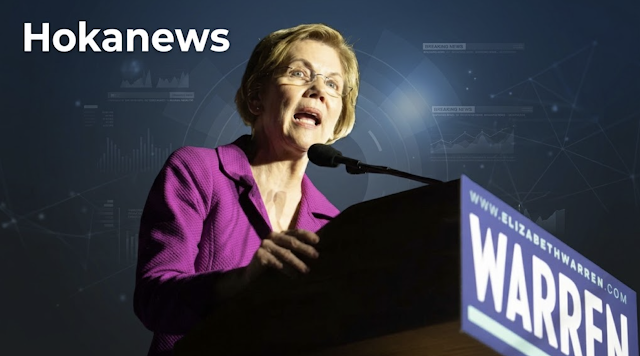
Senator Elizabeth Warren could gain significant influence over United States cryptocurrency policy if Democrats take control of the Senate Banking Committee following their victory in the 2026 midterm elections. A potential leadership change in January 2027 could increase congressional scrutiny of digital asset companies and complicate efforts to advance legislation establishing clearer rules for the crypto industry.
According to a report by The Wall Street Journal, Warren could obtain broader authority to investigate financial institutions and cryptocurrency businesses if she assumes the committee chairmanship. The position would give her substantial influence over hearings, legislative priorities, and oversight of the financial sector.
Potential Committee Role Could Expand Crypto Oversight
Under Senate practice, committee chairmanships go to the majority party and are typically assigned by seniority, so Warren's path to the chairmanship depends on the chamber's post-election composition. The Senate Banking Committee plays a central role in reviewing legislation affecting financial institutions, cryptocurrency exchanges, stablecoins, and other digital asset businesses. As chair, Warren would hold additional powers to organize investigations and issue subpoenas involving financial institutions and industry executives.
Those authorities could bring increased congressional attention to cryptocurrency companies, particularly regarding consumer protection and compliance with financial crime regulations. Warren has repeatedly raised concerns about the industry's potential links to money laundering, ransomware payments, and sanctions violations—a position reflected in the Digital Asset Anti-Money Laundering Act she introduced in December 2023. In March 2023, her reelection campaign promoted an initiative described as an "anti-crypto army," drawing criticism from digital asset supporters.
CLARITY Act Faces Potential Political Challenges
Warren has also challenged Republican efforts to advance the Digital Asset Market Clarity Act, widely known as the CLARITY Act. The proposed legislation aims to clarify the regulatory responsibilities of federal agencies overseeing US cryptocurrency markets, a long-running jurisdictional question that currently splits oversight between the Securities and Exchange Commission, which falls under the Banking Committee's purview, and the Commodity Futures Trading Commission, which is overseen by the Senate Agriculture Committee.
The bill passed the House of Representatives in July 2025 with support from both parties but has not advanced through the Senate. During a Senate speech on September 15, Warren expressed support for cryptocurrency regulation while opposing measures she viewed as favoring industry interests. Her potential leadership could influence how the committee approaches the legislation, particularly as lawmakers debate the balance between stronger oversight and the industry's demand for more predictable regulatory requirements.
Uncertain Legislative Outlook for US Crypto Regulation
The Democratic election victory could reshape negotiations over cryptocurrency policy as Congress prepares for its next legislative session. Warren's possible appointment would strengthen the position of lawmakers seeking tougher oversight within a committee responsible for major financial legislation. The panel has recently handled crypto matters directly: the GENIUS Act, which established a federal framework for payment stablecoins, moved through the Senate Banking Committee before being signed into law in July 2025.
Meanwhile, cryptocurrency industry supporters have continued to call for consistent rules governing exchanges, token issuers, and digital asset platforms. The CLARITY Act is part of those efforts to define how federal agencies divide responsibility for overseeing the sector.
Warren's appointment is not yet confirmed. The leadership transition will depend on Senate committee arrangements, and she could assume the chairmanship in January 2027 if the necessary conditions are met. Developments to watch include the Senate's post-election committee organization and whether the chamber takes up the CLARITY Act in its next session. Until then, the potential change leaves the future direction of US crypto legislation uncertain, with congressional priorities likely to play an important role in determining how digital asset businesses are regulated.
Reporting credit: Marcus Renfield, crypto market analyst and onchain writer covering cryptocurrency markets, onchain data, and market structure.

