Walmart (WMT) Stock Down 24% From Highs as Guidance Miss Weighs on Shares
Key Takeaways
- •Walmart stock is down about 24% from its 52-week high of $135.15, opening at $103.09 and trading below both its 50-day and 200-day moving averages.
- •Q2 results beat expectations with EPS of $0.81 versus $0.74 consensus and revenue of $187.94 billion, up 5.9% year over year.
- •Guidance for Q3 net sales growth of 3% to 3.75%, well below the 6.6% first-half pace, triggered the stock's worst single-day drop since 2022.
- •Walmart's P/E has fallen from a peak of 49 to 37, and its 0.95% dividend yield sits below the S&P 500 average of 1.04%.
- •Analysts maintain a Moderate Buy consensus with an average price target of $131.88, though JPMorgan and Telsey cut their targets, while Q2 e-commerce grew 23% and advertising revenue rose 38%.
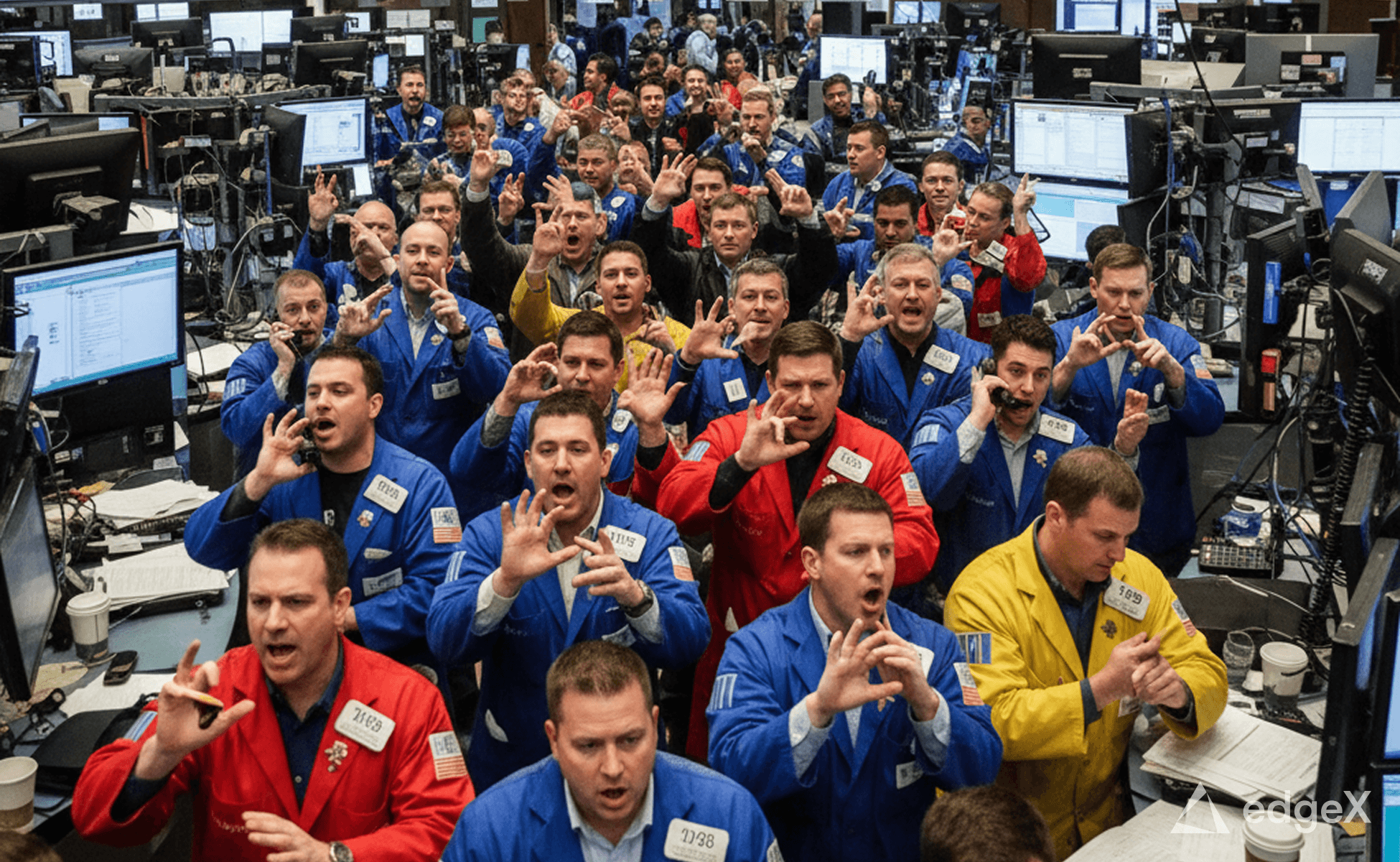
Walmart (WMT) stock opened at $103.09 on Friday, down roughly 24% from its 52-week high of $135.15. The decline began after the company reported its Q1 2026 results in May, and the selling has continued since. The pullback is a notable reversal for a stock that had been one of the market's steadier large-cap performers in recent years, buoyed by gains in e-commerce and higher-margin businesses like advertising and marketplace services.
The stock is now trading below both its 50-day moving average of $111.90 and its 200-day moving average of $120.45. Walmart's market capitalization sits at around $820 billion.
Q2 earnings were not the source of the pressure. Walmart reported EPS of $0.81, beating the $0.74 consensus estimate. Revenue of $187.94 billion also came in ahead of the $186.64 billion expected, up 5.9% year over year.
The problem was guidance. Walmart projected net sales growth of just 3% to 3.75% for Q3 — well below the 6.6% revenue growth posted in the first half of fiscal 2027. That guidance miss triggered the stock's worst single-day drop since 2022. Investors had been paying a premium for above-average growth, and that growth now appears to be slowing. For a company that had re-rated from a defensive, low-multiple retailer into a premium-valued growth story, guidance deceleration strikes directly at the thesis that justified the higher multiple.
Valuation Under the Microscope
Walmart's P/E ratio peaked at 49 earlier this year and has since fallen to 37, close to the company's five-year average. That does not make the stock cheap: the ratio has dropped below 30 more than once over the past five years.
The dividend yield of 0.95% also sits below the S&P 500 average of 1.04%, reducing its appeal for income-focused investors. Walmart has raised its dividend for 53 consecutive years, earning Dividend King status, but yield alone has not drawn buyers at these levels.
Net income for the first two quarters of fiscal 2026 came in at $11.7 billion, up just 2% year over year, with a change in the fair value of equity investments weighing on that figure.
Institutional Activity and Analyst Targets
Institutional investors and hedge funds collectively own 26.76% of Walmart. Pure Financial Advisors opened a new position worth $8.1 million in Q2, while State Street, Geode Capital, and Bank of America all added to or initiated positions in recent quarters.
On the insider side, EVP Daniel Danker sold 50,644 shares at $105.35 on August 26, worth roughly $5.3 million. The sale was made under a pre-arranged Rule 10b5-1 plan to cover tax obligations on vested equity awards.
Analysts have trimmed their targets in recent weeks. JPMorgan cut its target from $137 to $125 while keeping an "overweight" rating. Telsey lowered its target from $140 to $130 and maintained "outperform." Raymond James and KeyCorp also kept positive ratings.
The consensus remains "Moderate Buy" with an average price target of $131.88. Walmart has set Q3 2027 EPS guidance at $0.62 to $0.64, and full-year fiscal 2027 guidance at $2.80 to $2.87 EPS.
E-commerce grew 23% and advertising revenue jumped 38% in Q2, indicating the higher-margin parts of the business are still performing. Whether these faster-growing segments can offset the projected slowdown in overall net sales growth is likely to be the key question heading into the next earnings report, when investors will see if Q3 results and updated commentary confirm or ease the growth concerns that drove the selloff.
Source: CoinCentral
