Report compares US political moment under Trump to far-right election defeats in Brazil, Serbia and Hungary
Key Takeaways
- •Luiz Inácio Lula da Silva won Brazil’s runoff after Jair Bolsonaro was barred from office through 2030 and later sentenced to 27 years for plotting a coup.
- •More than 1,100 reports alleged that largely pro-Lula accounts were removed or restricted on Meta platforms during Brazil’s campaign, which Meta denied reflected favoritism.
- •Serbia’s Student List won a majority after youth-led protests and the country’s highest voter turnout since independence, prompting Aleksandar Vučić’s camp to concede.
- •Péter Magyar’s grassroots campaign helped his party win a two-thirds majority in Hungary after record voter participation, leading Viktor Orbán to concede.
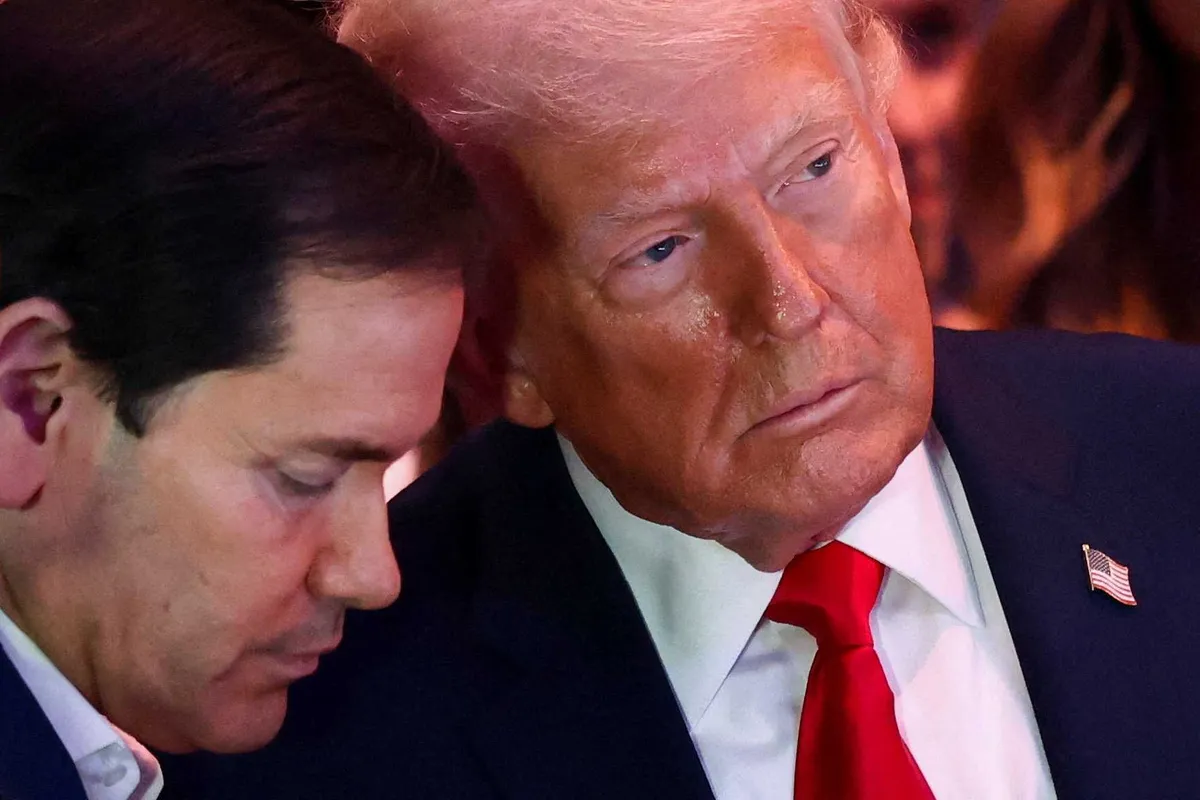
A recent report published in The Fulcrum, an outlet covering civic engagement and democracy, compares the political situation facing Americans under President Donald Trump with developments in Brazil, Serbia and Hungary, where voters removed long-entrenched far-right leaders from office.
Journalists Julie Roland and Marcelo Ramirez reported on Thursday that opposition movements in the three countries had circumvented authoritarian hurdles to bring about the leadership changes. The report examined each case in turn.
Among the threads connecting the cases are turnout at historic highs in Serbia and Hungary, campaigns built on years of local organizing and, in Brazil, court rulings that kept Bolsonaro himself off the ballot. The figures at the center of the report are former Brazilian president Jair Bolsonaro, Serbian president Aleksandar Vučić and Hungarian prime minister Viktor Orbán.
Brazil
"In Brazil’s election on Sunday, democracy prevailed. After losing the 2022 election, Jair Bolsonaro pushed false claims that the election was rigged," Roland and Ramirez reported. "Then, in a January 6th–like episode, his supporters stormed Brazil’s Congress, Supreme Court, and presidential palace. Brazil’s electoral court banned Bolsonaro from office until 2030 for his attacks on the voting system, and its Supreme Court later sentenced him to 27 years for plotting a coup. Trump called him a ‘good man,’ slapped a 50 percent tariff on the entire country in protest, and Bolsonaro’s son ran in his place, against President and Workers’ Party candidate Luiz Inácio Lula da Silva."
The report also documented disputes over social media platforms during the campaign. "The algorithm picked a side. There were more than 1,100 reports of largely pro-Lula accounts being removed or throttled on Meta’s platforms, and Lula’s own ad account getting briefly suspended. Brazil’s electoral court had to give Meta 24 hours to prove it wasn’t playing favorites. Meta denied any favoritism, but few were convinced; hundreds protested outside Meta’s São Paulo headquarters," the journalists wrote. "Americans have reason for doubt, too. During this month’s No Kings rallies, Meta disabled the No Kings Instagram account for more than four hours, blaming a bot-detection glitch."
According to the report, Lula went on to win the runoff election despite the platform disputes.
Serbia
"The same day, Serbia flipped," the journalists said. "After the concrete canopy of a newly renovated train station in Novi Sad collapsed in 2024, killing 16 people, students took to the streets…and never really left. The youth lobby doesn’t have deep pockets, but it has something money can’t buy: energy. Thanks to the highest voter turnout since Serbian independence, their youth-led party Student List won a majority. Aleksandar Vučić’s camp conceded. I’ve written before about why so many young people sit out elections, but Serbia just proved what happens when they don’t."
Hungary
"Earlier this year, community power won in Hungary, too. Viktor Orbán spent 16 years building a propaganda machine and empire, JD Vance flew in to campaign for him, and Trump promised American ‘economic might’ only if Orbán’s party won, but grassroots politics prevailed," the report stated. "Orbán’s opponent, Péter Magyar, went town to town, village to village, for two years, including in Orbán’s rural base. Then, in April, Hungarians turned out in record numbers, winning Magyar’s party a two-thirds majority. Orbán conceded."

