Vitalik Buterin Outlines Ethereum as a “Cryptographic World Computer” by 2030
Key Takeaways
- •Vitalik Buterin's 2030 roadmap envisions Ethereum combining a blockchain with cryptographic proofs and outside computers, with the transformation accelerating after the planned Hegotá upgrade.
- •The plan replaces today's model, in which each computer re-executes every transaction, with short mathematical proofs that others can verify far faster than repeating the work.
- •Privacy plans extend beyond payments to hide wallet balance requests and account spending rules from outside server operators.
- •Hegotá, expected next year, is slated to be Ethereum's last conventional network-wide fork, with later upgrades relying on proofs, error-checking tools, and security designed to withstand quantum computers.
- •Buterin's 2030 comparison targets payment finality of roughly eight to 32 seconds, though cheaper proofs and secure coordination of parallel work remain key hurdles.
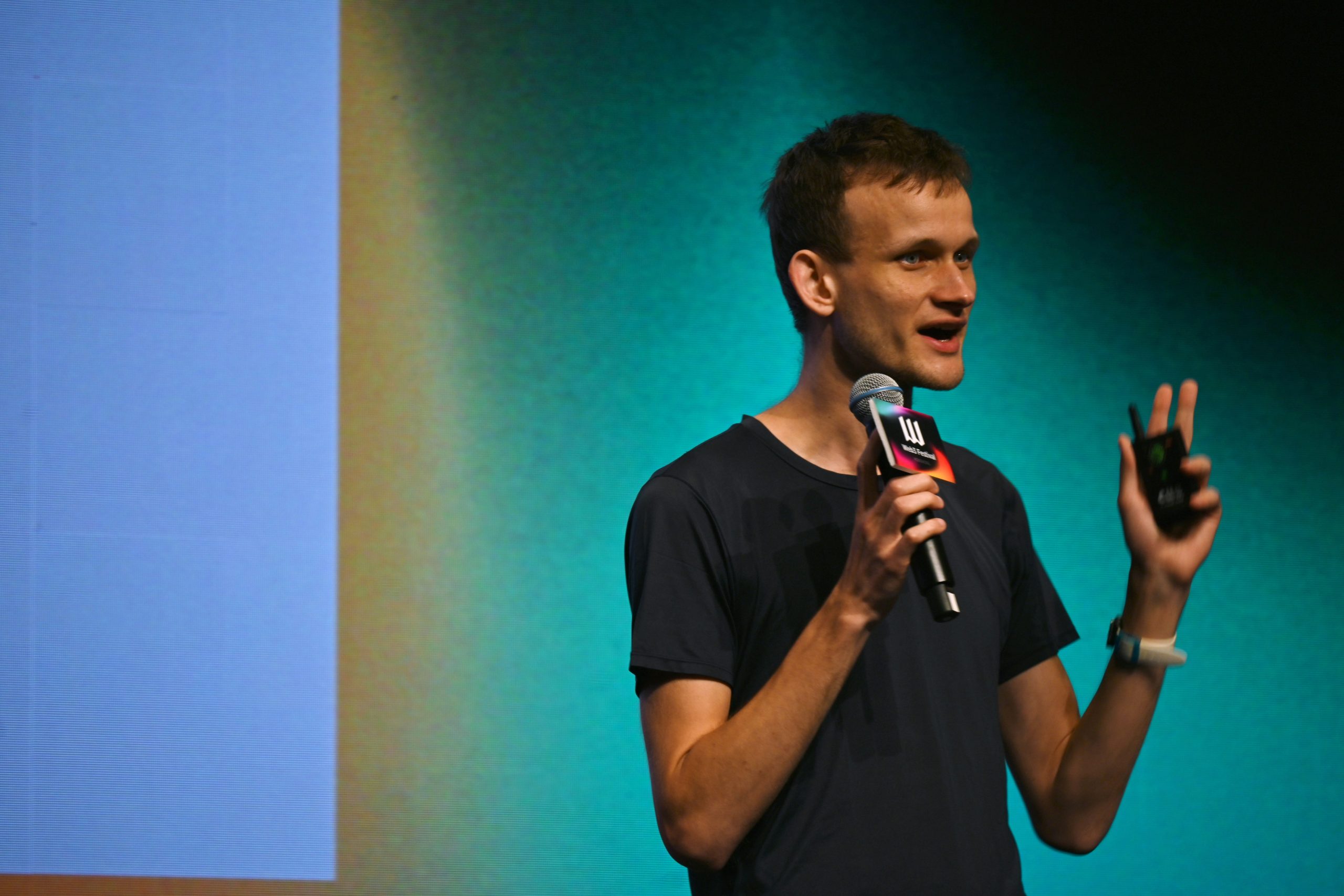
Ethereum co-founder Vitalik Buterin said on Sunday that the network he envisions for 2030 may still be called a blockchain, but it would work very differently from today’s version. In a post titled “The cryptographic world computer”, he described a system that combines a blockchain with cryptographic proofs and outside computers, as reported by CoinDesk. The “world computer” label has been attached to Ethereum since its early years; Buterin’s argument is that the tools needed to actually build one are only now becoming viable.
The roadmap through 2030 would change both how much Ethereum can do and what users can independently verify. Buterin said the shift would accelerate after the planned Hegotá upgrade.
Why Buterin Wants Proofs, Not Repeated Work
Today, a computer fully checking Ethereum repeats the calculations behind each of its transactions. It verifies, for example, that a sender had enough funds to spend and that an application followed its rules.
That repetition helps keep the network honest. It also means that adding computers does not automatically let Ethereum handle more transactions, because each new machine checks much of the same activity.
Buterin argues that newer cryptographic tools can break that constraint. Under his vision, a computer would process transactions and produce a short mathematical proof that it followed the rules, and others could check that proof far faster than repeating the original work.
“Back then, this was not viable for one primary reason: the missing ingredient was verification,” Buterin wrote of earlier attempts to divide the work.
Spreading Work Across Computers
Separate spot checks would help confirm that transaction records remained available to anyone who wanted to inspect them. Different computers could then take on different jobs while still checking one another’s results.
Ethereum would still need to settle questions where ordering matters, such as which of two payments spending the same funds came first. Buterin suggested that more of that work could be completed in advance, with proofs combined to reduce the amount of data recorded on the blockchain.
Privacy Beyond Payments
Buterin’s privacy plans also cover information people reveal simply by using a wallet. Checking a balance often means asking an outside server about an address, and that server’s operator can learn which accounts a person follows.
He envisages hiding those requests alongside payment details and the rules an account uses to approve spending. A business could then keep its payments confidential without exposing its accounts every time an employee checked a balance.
Other developers are pursuing similar goals. Zcash already lets users send payments with encrypted addresses and amounts, and researchers behind a Shielded Bitcoin paper have proposed borrowing that payment design for BTC.
Hegotá and the Road to 2030
Buterin expects Hegotá, the upgrade planned for next year, to be Ethereum’s last “normal” fork — the kind of coordinated, network-wide upgrade that has periodically reshaped the protocol to date. Later upgrades would rely more heavily on mathematical proofs, tools that check software for errors, and security designed to withstand future quantum computers, machines that, once powerful enough, could threaten the cryptography today’s networks depend on.
That quantum focus mirrors wider industry work, ranging from post-quantum planning for Bitcoin security to a post-quantum blockchain testnet and post-quantum encrypted messaging for Web3.
His 2030 comparison envisages payments becoming final in roughly eight to 32 seconds, though it still lists cost and privacy limits for complex applications. Developers must still make proofs cheaper and coordinate parallel work securely — two hurdles that will serve as markers of progress once the post-Hegotá phase begins.
“Starting after Hegota, this transformation becomes Ethereum’s primary story,” Buterin wrote.

