Vietnam to Build First Memorial for North Korean Vietnam War Casualties, Marking Rare Recognition of Pyongyang's Combat Role
Key Takeaways
- •Vietnam plans to construct a memorial and renovate a cemetery in Bac Ninh province honoring 14 North Korean air force personnel killed in 1967 and 1968 during the Vietnam War.
- •The project was discussed at a Hanoi meeting presided over by Vietnamese Deputy Defence Minister Nguyen Truong Thang and attended by North Korean Ambassador Ri Sung Guk.
- •North Korea deployed fighter pilots to support North Vietnam during the 1960s, with some flying Soviet-made MiG-17 jets on combat missions against American aircraft.
- •The remains of the 14 North Korean servicemen were repatriated to North Korea in 2002 after originally being interred at the Bac Ninh cemetery.
- •The memorial represents one of the most prominent public acknowledgments by Vietnam of North Korea's direct military participation in the Vietnam War, nearly sixty years after the personnel were killed.
Vietnam has announced plans to construct a memorial and renovate an existing cemetery dedicated to North Korean military personnel killed during the Vietnam War, according to Vietnamese state media, in a rare public acknowledgement of Pyongyang's direct combat role in the conflict that ended in 1975.
The project was discussed at a meeting held in Hanoi on Monday, chaired by Vietnamese Deputy Defence Minister Nguyen Truong Thang and attended by North Korean Ambassador to Vietnam Ri Sung Guk, the Defence Ministry's official newspaper Quan Doi Nhan Dan reported.
"The Party, State, people, and People's Army of Vietnam always cherish and remember the effective assistance of North Korea and the sacrifices of North Korean martyrs in its struggle for national independence in the past," Thang was quoted as saying by Quan Doi Nhan Dan.
The memorial will be erected as part of broader restoration work at the North Korean martyrs' cemetery located in Bac Ninh province, northern Vietnam. According to the online newspaper VnExpress, the cemetery was originally established for 14 North Korean air force personnel who were killed in 1967 and 1968. The servicemen ranged in age from 19 to 40. Their remains were repatriated to North Korea in 2002.
North Korea dispatched fighter pilots to support North Vietnam during the 1960s, with some operating Soviet-made MiG-17 jet fighters on combat missions against United States aircraft, according to both Vietnamese and North Korean state media accounts. The deployment was part of a broader pattern of Cold War-era military cooperation among communist states; the Soviet Union and China also provided extensive military and logistical support to North Vietnam throughout the conflict. The United States began large-scale military intervention in Vietnam in the early 1960s, eventually committing hundreds of thousands of ground troops and conducting extensive aerial campaigns over North Vietnam.
Vietnam and North Korea have maintained diplomatic relations since the Cold War era, having formally established ties in 1950 when both countries were part of the Communist bloc. Today, Vietnam is one of the few countries that maintains diplomatic relations with both North and South Korea, having established ties with Seoul in 1992. South Korea has since become one of Vietnam's largest trading partners and sources of foreign investment, adding a contemporary dimension to Hanoi's decision to publicly honour North Korean war casualties.
Despite this longstanding relationship with Pyongyang, the direct military participation of North Korean personnel in the Vietnam War has remained little known among the general public. The conflict itself lasted from 1955 to 1975, culminating in the fall of Saigon and the reunification of Vietnam under communist rule.
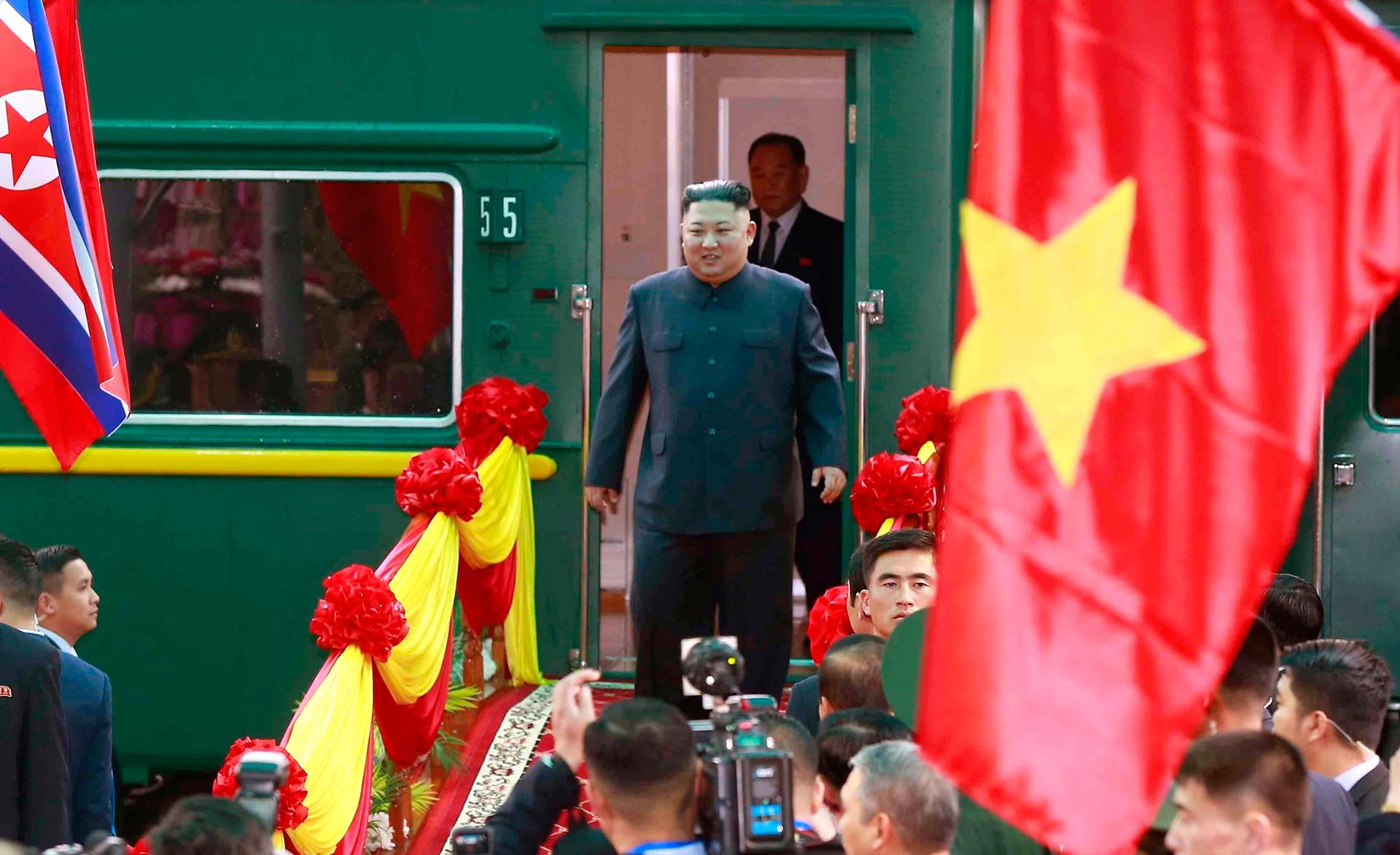
North Korean leader Kim Jong-un visited Vietnam in February 2019, arriving by train at Dong Dang Railway Station in Lang Son Province for a summit with then-U.S. President Donald Trump in Hanoi. That summit ended without an agreement on denuclearisation or sanctions relief. The visit was only the second time a North Korean leader had traveled to Vietnam, following Kim Il-sung's trip in the 1950s.
The memorial project represents one of the most visible public recognitions by Vietnam of North Korea's military contributions during the war, coming approximately six decades after the North Korean personnel were killed in combat.

