Victoria Beckham Among Harvey Nichols Creditors Facing £350,000 Loss
Key Takeaways
- •Victoria Beckham's brand is owed £353,349 by Harvey Nichols, which entered administration owing £270.5m to unsecured creditors in total.
- •Administrators said unsecured creditors are expected to recover no more than 15 per cent of what they are owed.
- •Harvey Nichols was acquired by Frasers Group for £43.3m after being weakened by lockdowns, e-commerce competition, high street decline, and the end of VAT-free tourist shopping in 2021.
- •Major creditor losses include Canada Goose at £565,267, Max Mara at £520,000, Chloé at £516,329, and Coach at £402,285.
- •Beckham's fashion label reported its first-ever profit, with revenue up 15 per cent to £130m and a £3.4m pre-tax profit in the year to December.
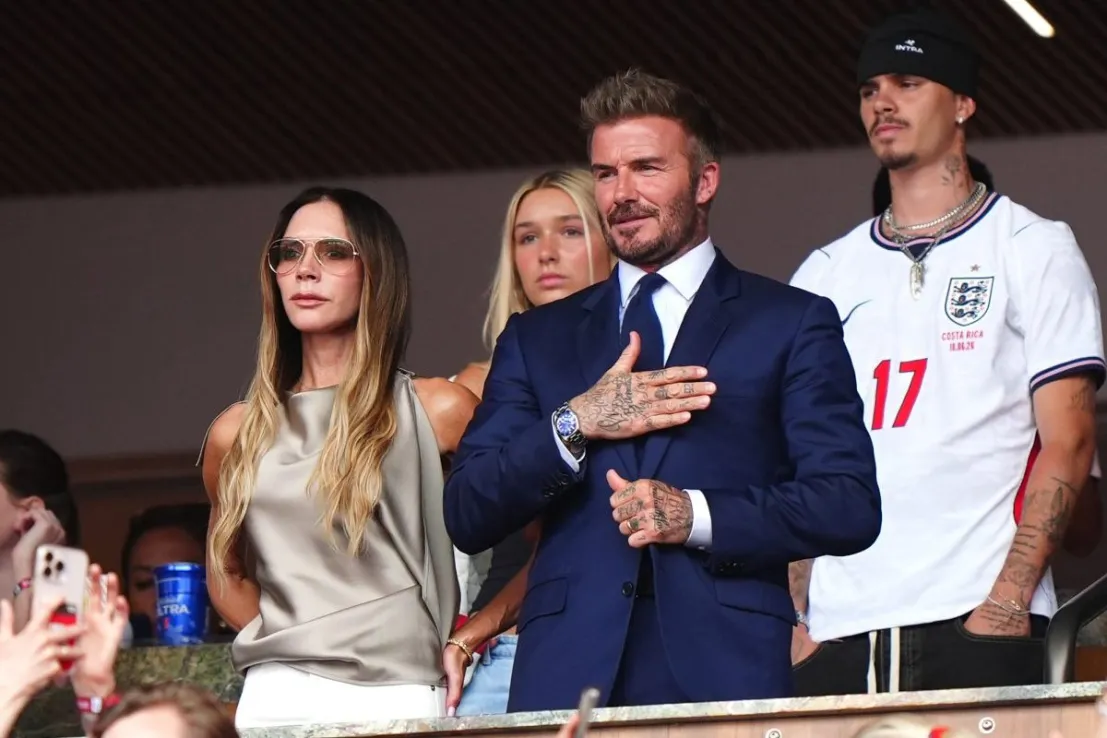
Victoria Beckham stands to lose as much as £350,000 after being named among the creditors of Harvey Nichols, the luxury department store whose lenders are expected to miss out on most of the £270m they are owed.
Companies House filings show the fashion designer and TV personality was owed £353,349 by the department store chain when it fell into administration.
Harvey Nichols has since been acquired for £43.3m by retail giant Frasers Group, but the store's administrators have said creditors can expect to recover no more than 15 per cent of what they are owed.
As unsecured creditors, suppliers such as Beckham's label sit behind secured lenders in the repayment hierarchy when a company collapses, which is why even well-known brands rarely recover the full value of outstanding invoices in an administration.
In total, the luxury department store owes £270.5m to its unsecured creditors, many of them high-end suppliers including Prada, Dolce and Gabbana and Versace.
The creditors facing the largest losses include Canada Goose, owed £565,267; Max Mara, owed £520,000; Chloé, owed £516,329; and Coach, owed £402,285.
A business in 'deterioration'
FTI, which served as the group's administrators ahead of its sale to Frasers, said the department store chain had run into significant financial trouble in recent years.
The group "faced challenging market conditions" before its collapse, including revenue hits from the Covid-19 lockdowns, increased competition from e-commerce platforms, and the "structural decline" confronting British high streets, the administrators said.
Harvey Nichols also experienced a "marked reduction" in visits from wealthy Asian and Middle Eastern tourists after London's VAT-free shopping regime was scrapped in January 2021, according to the administrators.
The group's trading performance "continued to deteriorate and shareholder funding ceased to be available" even after its owner, Hong Kong-based billionaire Sir Dickson Poon, appointed a new management team in 2024.
FTI said its administration of the collapsed company cost £861,516, of which the consultancy is still owed £786,516.
Victoria Beckham's label turns a profit
Victoria Beckham's fashion label was one of Harvey Nichols' key luxury suppliers. The retailer's website describes the celebrity as a "respected designer and undeniable style icon".
"Today, Beckham's designs are some of the most desirable and copied on the catwalk. The brand's signature style is made up of highly structured, sophisticated and feminine pieces that empower the wearer," the site says.
Earlier this week, Victoria Beckham's brand posted a profit for the first time ever. The label's revenue rose 15 per cent to £130m in the year to December, delivering a £3.4m pre-tax profit.
Frasers Group was founded by billionaire retail tycoon Mike Ashley in 1982. The Harvey Nichols acquisition forms part of Ashley's effort to move his empire upmarket, away from its roots in discount sportswear. Frasers has a track record of buying troubled retail brands and attempting turnarounds, and its handling of Harvey Nichols' future shape will be closely watched by the suppliers now facing write-offs.
Ahead of the deal, Ashley told the Financial Times that Harvey Nichols had fallen into a "death spiral".
Frasers Group chief executive Michael Murray said the turnaround "will require tough choices, and we are prepared to make those decisions, even if that means a smaller business in the near term".
Sources: The Times, Financial Times

