Venice AI Faces Privacy Allegations as VVV Token Plunges More Than 15%
Key Takeaways
- •An investigation cited in a Coin Bureau post found that 14 of the 18 image-recognition models tested on Venice AI routed user requests to external inference providers.
- •The third-party companies identified in the findings were DeepInfra, Baseten, Fireworks and Parasail.
- •The investigation raised unverified concerns that Venice or its infrastructure partner Phala could access user conversations and inject messages despite the platform's end-to-end encryption claims.
- •Venice AI's VVV token fell more than 15% as the allegations emerged, though the precise cause of the decline was not established.
- •Neither Venice AI nor Phala has issued a technical response, and the full methodology behind the routing tests has not been published.
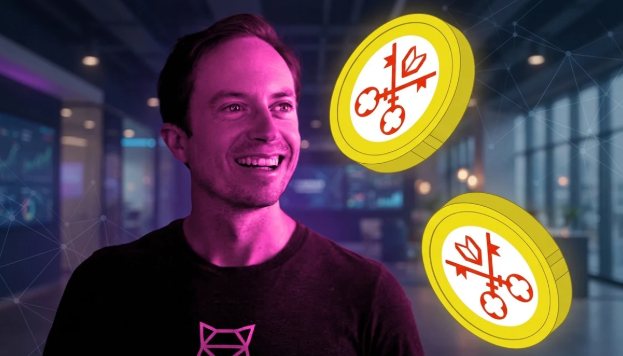
Venice AI, an artificial intelligence platform marketed as a private, self-hosted alternative, is facing scrutiny over its privacy and infrastructure claims after a researcher reported that most of the image-recognition models tested on the platform routed user requests through third-party inference providers. The allegations have intensified questions about how the platform handles user data, and they coincided with a sharp decline in its associated VVV token, which plunged more than 15%.
The investigation examined 18 image-recognition models available through Venice AI and found that 14 routed requests to external inference providers, according to the findings cited in a post by Coin Bureau on X. The third-party companies identified in the findings included DeepInfra, Baseten, Fireworks and Parasail.
The findings raise questions about Venice AI's positioning as a private, self-hosted AI platform. Its privacy-focused marketing places emphasis on users having greater control over their interactions with artificial intelligence services. However, the reported reliance on external infrastructure could complicate those assurances, particularly if user requests are processed outside systems directly controlled by the platform itself.
Third-Party Infrastructure Under Scrutiny
The researcher's findings suggest that Venice AI may depend more heavily on external inference infrastructure than users might expect from a platform marketed as self-hosted. Of the 18 image-recognition models examined during the investigation, 14 reportedly routed requests to third-party providers rather than processing them entirely within systems controlled by Venice AI.
The providers named in the investigation were DeepInfra, Baseten, Fireworks and Parasail. These companies provide infrastructure used to run or serve AI models. Their involvement does not, by itself, establish that user information was improperly accessed or disclosed, but it raises questions about how requests are handled and what privacy protections apply when external services are involved.
Relying on outside inference providers is a widespread arrangement in the AI industry, where application-facing services commonly draw on specialized infrastructure firms to serve models at scale. The relevance here stems from positioning rather than the practice itself: self-hosted platforms are generally understood to process requests within systems they control, which is what makes routing findings of this kind cut directly against the expectations such marketing creates.
The distinction is important because a platform's privacy assurances depend not only on its own systems but also on the infrastructure supporting its services. When requests are routed to outside providers, users may need greater clarity about data handling, access controls and the responsibilities of each infrastructure participant along the chain.
Questions Over Encryption and Conversation Access
The allegations also extend beyond model hosting to Venice AI's claims about end-to-end encryption. According to the Coin Bureau post, the investigation raised concerns that Venice or its infrastructure partner, Phala, could access user conversations and inject messages despite the platform's reported encryption protections.
These claims introduce a separate question about the extent of control retained by the platform and its infrastructure partners. End-to-end encryption is generally intended to prevent intermediaries from accessing the contents of messages. Any suggestion that a service provider or infrastructure partner could read conversations or modify message streams therefore warrants closer technical examination.
The stakes are heightened because AI conversations frequently contain personal details or other sensitive material that users share on the assumption it remains private. However, the reported allegations should not be treated as independently established proof of unauthorized access or message manipulation. The available account does not provide further technical details about the testing methodology, the specific encryption mechanisms involved or whether the alleged capabilities were demonstrated in practice.
VVV Token Declines More Than 15%
The controversy coincided with a sharp decline in Venice AI's associated VVV token, which fell more than 15%, according to Coin Bureau. The post described Venice AI as a billion-dollar company marketed as a private, self-hosted AI platform.
The reported token decline places the allegations alongside a notable market reaction, although the available information does not establish the precise cause of the price movement or provide additional trading data.
The Central Question
The central issue raised by the investigation is whether Venice AI's actual infrastructure and data-access arrangements align with the privacy expectations created by its positioning. The findings specifically identify 14 of the 18 tested image-recognition models, four third-party inference providers and concerns involving Venice and Phala's potential access to user conversations.
The available account does not include a technical response from Venice AI or Phala, nor the full methodology behind the routing tests. Publication of those details would allow independent assessment of whether the platform's architecture matches its privacy claims.
Source: Hokanews

