Venezuela's Government and Opposition Unite to Recover $4.4 Billion in Bank of England Gold
Key Takeaways
- •Venezuela's government and opposition have agreed to jointly pursue the recovery of about 31 tonnes of gold valued at roughly $4.4 billion from the Bank of England.
- •The funds are intended to help finance reconstruction after June earthquakes that killed more than 6,000 people and disrupted the economy, contributing to a sharp rise in July inflation.
- •The gold has been frozen in London since 2018 after the UK recognized Juan Guaidó as interim president following Venezuela's disputed election, and courts have since weighed which board controls the reserves.
- •Acting President Delcy Rodríguez appealed directly to King Charles last month to release the gold, while the opposition insists any transfer include transparency measures.
- •Any release is expected to be legally complex, depending on agreed safeguards and the responses of British courts and the UK government.
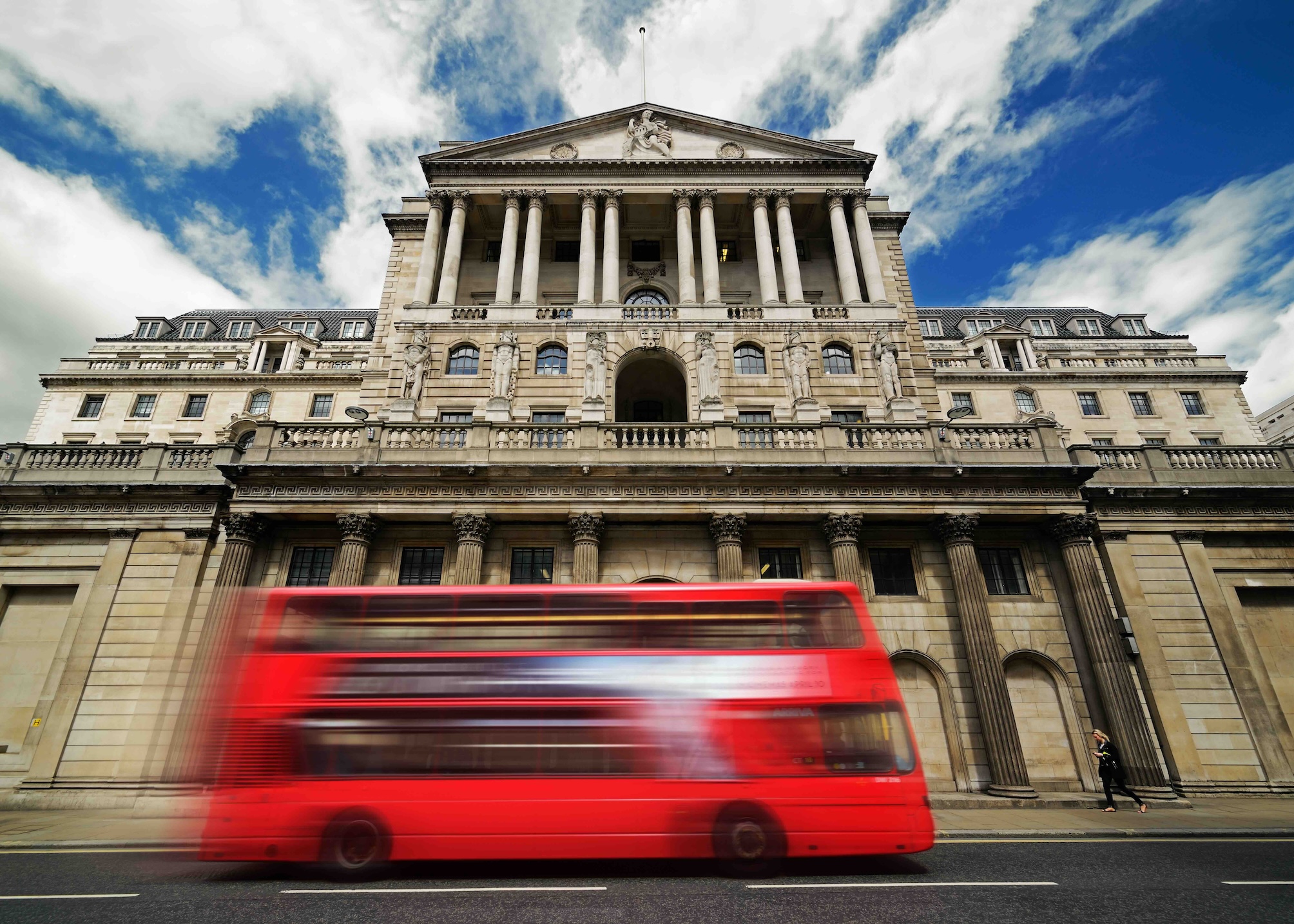
Venezuela's government and opposition have agreed to jointly pursue the return of about 31 tonnes of gold held at the Bank of England, in a plan to help finance reconstruction following the country's devastating June earthquakes, the Financial Times of London reports.
The gold is worth about $4.4 billion (C$6.11 billion) at current prices, according to the Times and Reuters on Friday.
The agreement marks a rare point of cooperation between the two sides after U.S.-backed negotiations this month. Officials said they intend to seek the recovery of Venezuela's international reserve assets in London while establishing safeguards over how the funds would be used.
Venezuela, like many countries, stored part of its bullion at the Bank of England, one of the world's largest custodians of central-bank gold. The gold has remained frozen since 2018 because the UK recognized opposition leader Juan Guaidó, rather than Nicolás Maduro, as Venezuela's interim president, a title Guaidó asserted after rejecting the results of the country's 2018 presidential election, which the United States, the United Kingdom and dozens of other governments also refused to accept. British courts have spent years weighing which rival central bank board had the legal authority to control the reserves, leaving the bullion locked in London.
Appeal to the King
Acting President Delcy Rodríguez last month appealed directly to King Charles to release the gold, while opposition representatives have said any transfer should be accompanied by transparency measures to ensure the money is spent on reconstruction rather than diverted elsewhere.
The push comes as Venezuela grapples with the economic impact of the June earthquakes, which killed more than 6,000 people and damaged homes, hospitals and infrastructure. The country's central bank said the disaster contributed to a sharp rise in inflation in July by disrupting the distribution of goods.
Venezuela last reported official gold reserves of about 161 tonnes in 2018, International Monetary Fund data show. That puts the London-held bullion at roughly one-fifth of the country's reported holdings at the time.
Even with political backing from both sides, recovering the gold is expected to be legally complex, because ownership of the reserves remains tied to the unresolved recognition dispute that has kept the assets frozen for nearly eight years. The pace of any release will depend on whether the two sides can agree on the transparency safeguards the opposition has demanded, and on how British courts and the UK government respond to a now-united Venezuelan request.

