U.S. West Coast Refiners Tap Malaysian Fuel Oil in First Such Shipment in Three Years
Key Takeaways
- •The tanker Solomon Sea is carrying more than 540,000 barrels of low-sulfur and straight-run fuel oil from Malaysia's PRefChem refinery to a U.S. West Coast refinery, with arrival expected in early September.
- •This is the first shipment from the 300,000-bpd PRefChem refinery in Pengerang, a joint venture between Petronas and Saudi Aramco, to the United States since 2023.
- •Global refinery feedstock supplies have tightened following the closure of the Strait of Hormuz, the chokepoint through which roughly a fifth of the world's oil consumption normally moves.
- •West Coast refineries sit west of the Rocky Mountains with no major pipelines to Gulf Coast supply hubs, leaving them reliant on seaborne cargoes when nearby exporters such as Mexico and Venezuela run short.
- •U.S. refiners have maximized capacity utilization this summer amid record gasoline and diesel exports and record-high refining margins, and it remains unclear whether further Asian cargoes will follow.
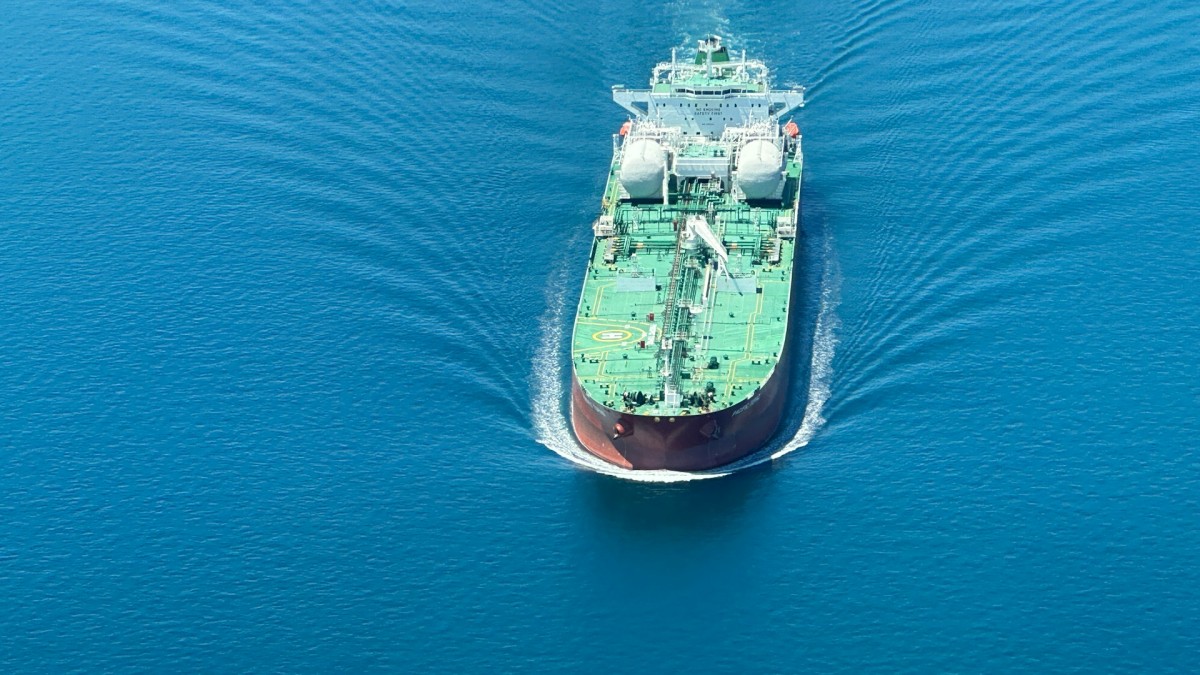
A cargo of fuel oil from Malaysia is en route to a refinery on the U.S. West Coast, marking the first such shipment in three years as global supplies of refinery feedstock have tightened in recent months following the closure of the Strait of Hormuz, the chokepoint through which roughly a fifth of the world's oil consumption normally moves.
The tanker Solomon Sea, laden with more than 540,000 barrels of low-sulfur and straight-run (LSSR) fuel oil, departed last week from Malaysia's PRefChem refinery, operated by state oil and gas giant Petronas, according to tanker data on MarineTraffic. The cargo is set to arrive in the United States in early September.
The vessel is bound for a refinery on the U.S. West Coast, a source with knowledge of the matter told Reuters. Per shipping data monitored by Reuters, the cargo is the first shipment from Malaysia's 300,000-bpd PRefChem refinery in Pengerang, a joint venture between Petronas and Saudi Aramco, to the United States since 2023.
U.S. refiners usually import fuel oil to use as feedstock from nearby exporting countries, including Mexico and Venezuela, but the tight global fuel market and soaring refining margins have made the arbitrage wide enough to draw in Malaysian supply. The long-haul purchase underscores how far West Coast buyers are reaching for feedstock: the region's refineries sit west of the Rocky Mountains with no major pipelines linking them to Gulf Coast supply hubs, leaving them dependent on seaborne cargoes when nearby sources run short.
LSSR fuel oil is an uncracked residual petroleum product derived from low-sulfur crude oil. Its low sulfur content and minimal impurities make it a favored feedstock for refiners to produce gasoline or diesel, or to blend into low-sulfur marine fuel.
With fuel markets tight globally and seasonal demand at its peak, U.S. refiners have maximized capacity utilization rates this summer and are evidently searching for quality feedstocks from wherever they are available. U.S. gasoline and diesel exports have run at record levels in recent weeks as the global fuel market tightens amid depleting inventories, supply bottlenecks in the Middle East and Russia, and peak summer demand.
Across the entire oil complex, refined products are facing the biggest squeeze, as supplies of diesel, gasoil, and jet fuel tighten, pushing refining margins to record highs. With the Solomon Sea not due to arrive until early September, the open question is whether the economics behind this voyage stay in place long enough for further Asian cargoes to be booked, or whether the first Malaysia-to-U.S. shipment in three years remains a one-off of a disrupted market.
By Charles Kennedy for Oilprice.com

